Top 10 Sash Windows Manufacturers for Global Buyers
Choosing the right sash windows manufacturer can influence a building’s comfort, appearance, energy performance, and long-term maintenance costs. Global buyers often compare timber, uPVC, and aluminium options, yet material alone does not reveal a supplier’s reliability. Frame depth, glazing quality, weather seals, hardware strength, and finishing standards matter in daily use. A smooth sliding action is important. So is consistent production.
This guide introduces ten sash windows manufacturers serving international markets. The selection considers manufacturing experience, product quality, customization capability, export support, certifications, and customer feedback. It also examines practical details, such as packaging methods, lead times, installation guidance, and replacement-part availability. These factors can be decisive when products travel thousands of miles before reaching a construction site. A carefully packed window should arrive with protected corners, dry timber, and clearly labeled components.
No manufacturer is perfect. Product ranges change, regional standards differ, and published performance figures may require independent verification. That deserves attention. Buyers should request current test reports, warranty terms, sample profiles, and references from comparable projects. Local climate also matters; a coastal property may need different coatings and hardware from a dry inland home. This overview aims to provide a reliable starting point rather than a final purchasing decision. Careful comparison remains essential, especially when quotations appear similar but exclude glazing, delivery, installation, or after-sales support. Small omissions can become expensive later.
Sash Window Types and Their Role in Global Building Design
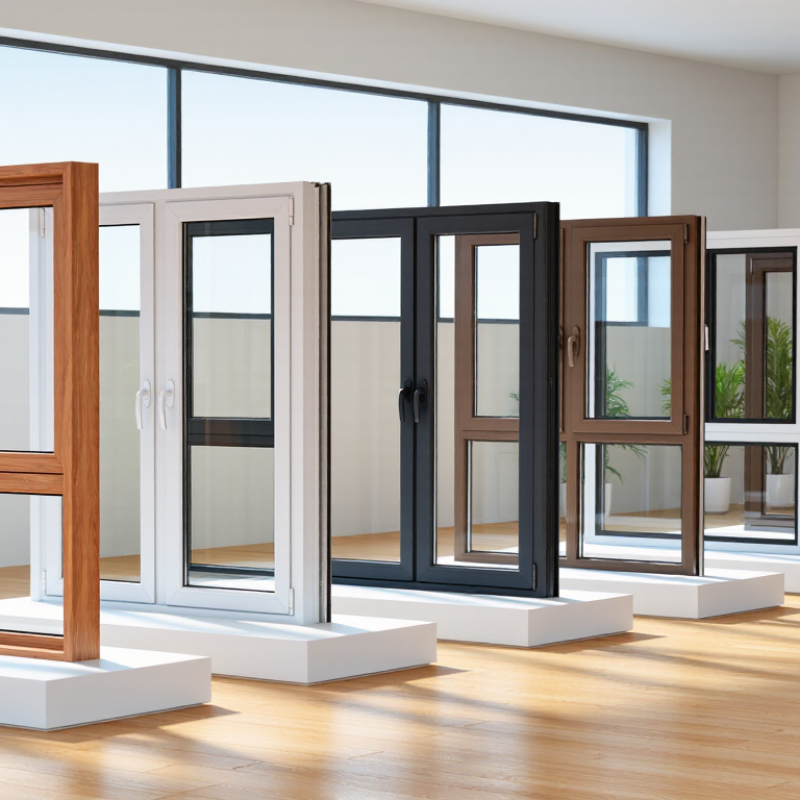
Sash window types shape how buildings breathe, age, and respond to local weather. Single-hung windows open one movable panel, while double-hung designs allow both panels to slide. This improves airflow, especially in rooms with high ceilings. Vertical sliding sash windows also preserve narrow façades and traditional street proportions.
For global buyers, material choice matters as much as movement. Timber offers warmth and repairability, but it needs regular surface protection in wet climates. uPVC resists moisture and reduces maintenance, although its appearance may feel less authentic in historic settings. Aluminium provides slim frames and strong wind resistance. Thermal performance depends on glazing, seals, frame depth, and installation quality—not material alone.
In coastal projects, laminated glass, corrosion-resistant hardware, and drainage details deserve close inspection. In colder regions, low-emissivity double glazing can reduce heat loss near the frame. Shading also matters in hot climates; a beautiful sash window can still create uncomfortable solar gain. Design teams should match opening direction, ventilation habits, and cleaning access to real occupants. I have seen attractive specifications fail because the upper sash was difficult to reach. Small details matter.
No single type wins everywhere. That is the uncomfortable part. Manufacturer comparisons should include test reports, replacement-part availability, installation guidance, and warranty clarity. Local building traditions may also require careful adaptation rather than imitation. A well-selected sash window supports daylight, ventilation, façade character, and long-term maintenance planning.
Criteria for Evaluating Sash Window Manufacturers Worldwide
Evaluating sash window manufacturers requires more than comparing photographs and quoted prices. Examine their experience with different climates, building styles, and export conditions. A reliable manufacturer should provide clear product specifications, factory records, and independently verified performance data. Look beyond the brochure.
Request test results for thermal insulation, air leakage, water resistance, and wind pressure. Check the glass configuration, frame material, drainage design, and locking hardware.
For timber windows, inspect moisture control, joint construction, coating layers, and repair guidance. For aluminium or composite frames, review thermal breaks and corrosion protection. Small details matter.
A sample should open smoothly without sticking, rattling, or uneven gaps. Measure the visible sightlines and check whether the seals sit firmly in their channels.
Supply reliability also deserves close attention. Ask about production capacity, packaging methods, spare parts, installation instructions, and realistic delivery schedules. A useful warranty should explain coverage, exclusions, response times, and claim procedures. Speak with recent overseas customers when possible, not only selected references. Factory audits can reveal storage problems, inconsistent finishing, or weak quality control. I would not trust a polished sample alone. It may represent the best unit, not the daily standard. Even independent reports need checking for test dates, product versions, and laboratory credentials. Manufacturers that answer difficult questions directly usually offer stronger evidence of professional discipline and long-term reliability.
Comparison of Product Quality, Materials, Prices, and Certifications
When screening ten leading sash-window manufacturers, compare tested performance before showroom appearance. The U.S. Department of Energy reports that windows cause roughly 25–30% of residential heating and cooling energy use. Therefore, inspect U-values, solar heat-gain coefficients, air leakage, and water resistance. A beautiful sash can still perform poorly.
Material choice changes durability and price. Engineered softwood usually offers a competitive entry price and easier repainting. Hardwood provides stronger visual character, but needs disciplined moisture control. uPVC reduces maintenance, while aluminum-clad systems can improve exterior protection. Premium options cost more. They may also reduce repair frequency. Request factory moisture readings, glazing specifications, and hardware-cycle test results. Small details matter.
Certification evidence should match the destination market. European buyers can request performance documentation under EN 14351-1, where applicable. North American projects often review NFRC ratings and AAMA/WDMA/CSA test evidence. Certification is not the same as a marketing claim. Check the certificate holder, tested configuration, and validity date. The IEA and UNEP’s Global Status Report for Buildings and Construction 2023 links buildings with about 30% of global final energy demand. That makes thermal data commercially important. Price comparisons should include glazing, finishes, packaging, freight, installation, and future maintenance. A low quotation can be misleading. Sometimes, the cheapest frame becomes the expensive repair.
Key Factors for International Buyers Before Placing an Order
International buyers should assess sash window manufacturers beyond catalogue images. A polished catalogue is not proof. Request factory photographs, production details, and recent project references from similar climates. Confirm the frame material, glazing specification, hardware grade, and expected service life. Ask whether dimensions are manufactured in millimetres and whether drawings require buyer approval.
Performance documents matter.
Request test reports for air leakage, water resistance, wind pressure, thermal transmission, and acoustic performance. Check who issued each report and whether the tested design matches your ordered window. Regional requirements may differ, so consult a qualified building professional before approval. A low quoted U-value can be misleading when glass, spacers, and frame values are separated.
Review the commercial details line by line.
Confirm minimum order quantities, production tolerance, sample charges, lead time, packaging method, and shipping responsibilities. Wooden units need moisture protection during transport. Ask for corner protection and pallet photographs. Clarify warranty coverage, replacement parts, and response times for damaged goods. Payment terms should match measurable production milestones, not vague promises.
A pre-shipment inspection is worth considering.
It may reveal scratches, loose locks, or incorrect openings. Still, inspections are not magic. They can miss problems hidden inside sealed glass units. Keep approved drawings, colour samples, and signed specifications in one file. One practical mistake is accepting “standard size” without checking installation tolerances. That phrase causes expensive rework. Manufacturers that answer difficult questions clearly often deserve more confidence than those offering the lowest price.