What Types of Sliding Doors Are Best for Global Buyers?
Choosing the right sliding doors is not simply a matter of style. Global buyers compare climate, building use, shipping limits, maintenance access, and local installation skills. A coastal villa needs corrosion-resistant frames and reliable drainage. A city apartment may value slim profiles, acoustic control, and smooth daily operation. The best choice changes with each project.
This guide examines aluminum, uPVC, timber, and thermally broken systems. It also considers lift-and-slide, pocket, telescopic, and folding alternatives. Performance depends on more than the panel material. Glass specification, rollers, seals, threshold design, and locking hardware matter equally. In hot regions, solar-control glazing can reduce indoor heat. In cold climates, low-emissivity glass and insulated frames deserve closer attention. Buyers should request test data, warranty terms, spare-part support, and installation instructions. Product certifications should match the destination market’s requirements.
Practical sourcing experience shows that a beautiful door can fail when packaging, measurements, or after-sales communication is weak. Container transport may expose frames to vibration, moisture, and rough handling. Small details matter. Confirm opening dimensions, handing, drainage direction, and replacement component availability before payment. No supplier, material, or configuration is perfect. Some recommendations may change after a site survey. That uncertainty is useful, not embarrassing. It encourages buyers to compare verified performance with real project conditions. Careful questions and independent checks can lead to sliding doors that balance appearance, durability, comfort, and long-term value across markets.
Key Factors Global Buyers Should Consider Before Choosing a Sliding Door
What Types of Sliding Doors Are Best for Global Buyers?
Key Factors Global Buyers Should Consider Before Choosing a Sliding Door
Global buyers should evaluate climate before style. A coastal home needs corrosion-resistant hardware and sealed frames. Cold regions require low U-values and insulated glazing. The U.S. Department of Energy states that windows can account for
25%–30% of residential heating and cooling energy use. Sliding doors can create similar losses when seals or installation are poor.
Performance matters more than appearance. Check U-value, solar heat gain coefficient, air leakage, and water resistance. These figures allow fair comparisons across suppliers. The International Energy Agency reports that buildings consume about
30% of global final energy. Better doors can support lower operational demand, although results depend heavily on installation quality. A beautiful frame cannot repair a badly aligned track.
Material choice also deserves practical attention.
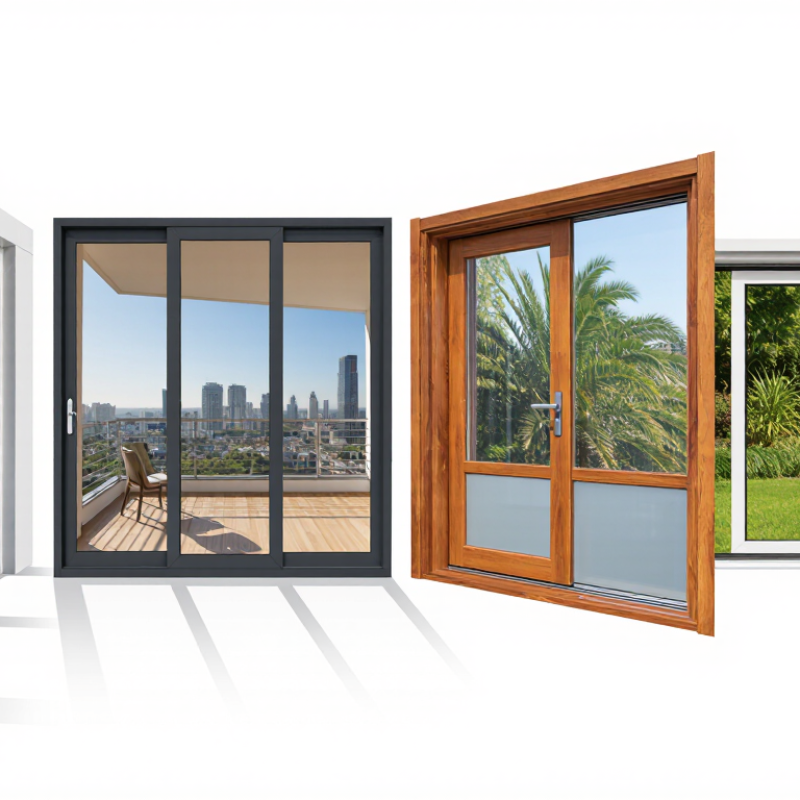
Aluminum offers strength and slim profiles, while thermally broken designs reduce heat transfer.
uPVC can provide insulation with limited maintenance.
Timber feels warm, but it needs regular protection in humid climates. Look for tested rollers, replaceable seals, drainage channels, and secure locking points. Ask for laboratory reports based on recognized standards. Marketing language is not evidence.
Do not ignore local habits. Large panels may suit open-plan homes, but they need clear floor space and careful handling. In dusty areas, tracks require frequent cleaning. I would not choose the cheapest option without reviewing warranty terms, spare parts, and installer experience. That decision often becomes expensive later.
Aluminum Sliding Doors for Strength, Low Maintenance, and Climate Versatility
For global buyers, aluminum sliding doors offer a strong balance of durability, low maintenance, and climate versatility. Their rigid frames support large glass panels without feeling overly heavy. In coastal homes, properly finished aluminum resists moisture and salt better than many traditional materials. In hot regions, light-colored surfaces can reduce heat absorption. The material is not maintenance-free. That distinction matters.
Choose thermally broken profiles for homes facing cold winters or sharp temperature changes. They reduce heat transfer through the frame and help limit interior condensation. Reliable systems also need weather seals, drainage channels, and corrosion-resistant rollers. In humid or dusty markets, these small details affect daily operation. Clean tracks regularly. A blocked drainage path can cause water to collect after heavy rain.
Glass selection changes the door’s performance. Low-emissivity or solar-control glass may improve comfort in bright climates. Laminated glass can reduce noise and retain its layer if broken. Large panels look impressive, but they demand accurate installation and stronger hardware. A common mistake is judging a door by frame thickness alone. I would also question unclear test data, especially for wind resistance and water tightness. Specifications can look excellent on paper, yet local installation quality may still disappoint. Leave adjustment access around the rollers, seals, and locks. That practical space is easy to overlook.
What Types of Sliding Doors Are Best for Global Buyers?
Aluminum sliding doors offer high structural strength and strong climate versatility. However, because aluminum conducts heat more readily than wood or uPVC, thermally broken frames and insulated glazing are important for energy efficiency in hot and cold regions.
Typical thermal conductivity values at room temperature. Lower values indicate better natural resistance to heat transfer; actual door performance depends on frame design, thermal breaks, glazing, seals, and installation.
Wood and Wood-Composite Sliding Doors for Natural Style and Insulation
Wood and wood-composite sliding doors bring warmth, texture, and useful insulation to international projects. Natural grain feels less sterile than aluminum or plastic. It also complements stone, brick, and compact urban interiors.
Performance matters beyond appearance. The U.S. Department of Energy reports that windows can represent 25–30% of residential heating and cooling energy use. A well-designed sliding door can reduce this burden through insulated cores, low-emissivity glazing, tight gaskets, and thermally improved frames. Wood naturally conducts less heat than metal. Wood-composite structures can add dimensional stability and reduce seasonal movement.
The details decide success.
Global buyers should check tested U-values, air leakage, water resistance, and wind-load performance. EN 14351-1 and local building standards offer useful reference points, but certification does not replace correct installation. The 2023 UNEP Global Status Report states that buildings and construction consumed about 34% of global energy in 2022. Better envelopes deserve serious attention.
Still, wood is not maintenance-free. Humid coastlines, intense sunlight, and freeze-thaw cycles can expose weak finishes quickly. I would request climate-specific warranty terms, moisture-resistant coatings, and replaceable seals. That assumption is easy to regret. Buyers should also inspect the threshold, drainage path, and sill height before ordering. Small gaps become noticeable drafts. A beautiful door can perform poorly when installation tolerances are ignored.