Choosing among flat roof lanterns can feel simple until light, heat, drainage, and installation costs enter the decision. A sleek glass rooflight may brighten a dark kitchen, but it can also expose weaknesses in insulation or summer ventilation. This guide introduces the top 10 flat roof lantern types for buyers who want attractive daylight without overlooking practical performance.
The comparison considers fixed, opening, electric, solar-powered, walk-on, tinted, self-cleaning, polycarbonate, aluminium-framed, and bespoke lantern designs. Each type serves a different situation. A fixed model may suit a quiet extension, while an opening lantern can release warm air above a busy cooking area. Frame depth, glazing layers, drainage channels, and thermal ratings deserve close attention. Small details matter.
Reliable buying decisions should use verified manufacturer specifications, tested U-values, warranty terms, and installation guidance. Independent certification can provide useful reassurance, although certificates do not replace careful site assessment. A qualified installer should check the roof structure, weather sealing, and compatibility with the existing membrane. Poor fitting can cause leaks, even with an excellent product.
No single design wins every project. That assumption often fails. A cheaper lantern may look appealing, yet its long-term cleaning or heating costs could be higher. Buyers should also consider glare, privacy, room orientation, and future maintenance access. The strongest choice balances appearance with evidence, budget, and everyday use. This overview highlights where each lantern type performs well, where it may disappoint, and what thoughtful buyers should verify before ordering.
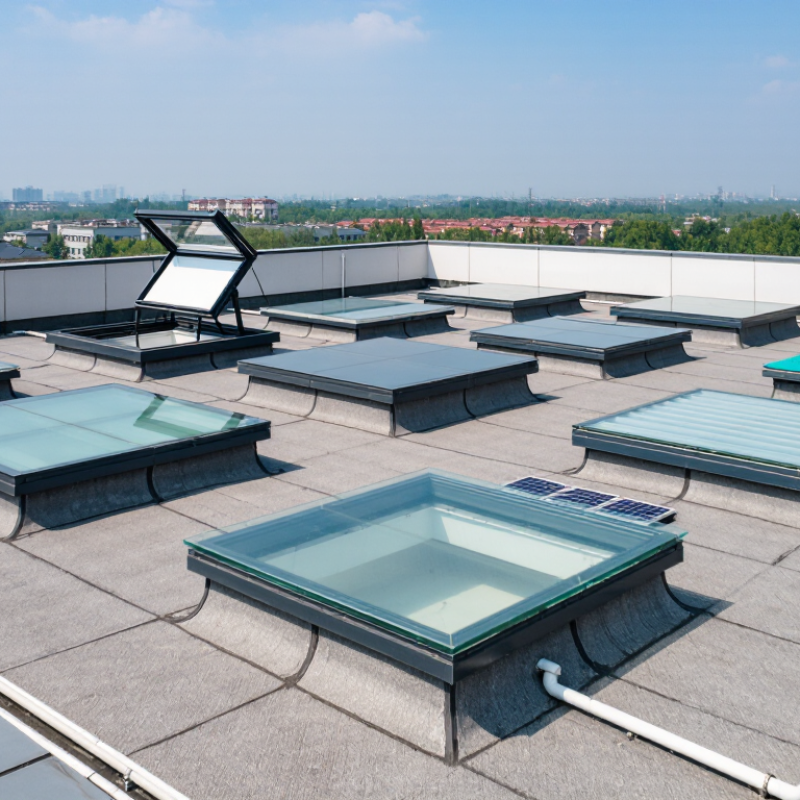
The top ten flat roof lantern types differ mainly in form, glazing, and frame construction.
A square pyramid suits compact rooms and spreads daylight evenly. A rectangular pyramid covers longer extensions with a strong central peak. A double-hipped design creates balanced slopes on both ends. A single-hipped lantern directs emphasis toward one wall. A ridge lantern uses two broad slopes and a raised central line. A gable-ended form adds vertical glass at each end. A vaulted lantern gives a softer, arched impression. Segmented designs use several small panes for a traditional rhythm. Modular lanterns combine repeated panels across wider roofs. Bespoke asymmetric forms handle awkward plans, though detailing costs more.
Glazing changes comfort as much as appearance. Clear double glazing gives bright, direct light, but may increase summer heat. Low-iron glass looks exceptionally clean and colour-neutral. Solar-control glass reduces glare, although rooms can feel slightly darker. Laminated inner panes improve overhead safety and help retain fragments if broken. Triple glazing adds insulation, but its weight demands careful structural checks. Some projects need privacy glass around overlooked roof terraces. A clear pane can look beautiful on a sample board, then feel harsh at noon.
Frames deserve equal attention. Thermally broken aluminium supports slim sightlines and resists moisture. Timber offers warmth, yet it needs disciplined sealing and maintenance. uPVC can be economical, though wider profiles may reduce visible glass. Drainage, flashing, ventilation, and fixing methods affect long-term performance. A competent installer should confirm roof loading, opening size, and internal condensation risk. Small measurement errors matter; a lantern can look perfect, then expose a cold edge indoors.
Flat roof lanterns vary widely, but their U-value depends more on glazing, frames, and installation than shape alone. The ten common options include low-profile, raised-ridge, pyramid, hipped, gable-ended, octagonal, timber-framed, composite-framed, thermally broken aluminium, and polycarbonate lanterns. Each suits a different roof, room, and budget.
For buyers targeting 0.8 to 2.7 W/m²K, triple-glazed thermally broken aluminium or composite designs can reach approximately 0.8–1.2 W/m²K. High-performance timber frames may achieve similar results when sealed correctly. Standard double-glazed pyramid and hipped lanterns often sit around 1.2–1.8 W/m²K. Low-profile and gable-ended units can perform well, but only with insulated kerbs and carefully fitted seals. Polycarbonate systems commonly measure nearer 1.8–2.7 W/m²K, depending on cell structure and thickness.
Check the declared whole-unit U-value, not just the centre-pane figure. This distinction matters. A strong glass specification may still perform poorly beside a cold frame or poorly insulated upstand. Solar control can also affect comfort, especially beneath a south-facing pyramid lantern. I would request independent test data, installation details, and the assumed boundary conditions before comparing quotations. Some advertised figures appear impressive, yet they may not reflect the complete installed assembly. Allow room for doubt.
Which Lantern Designs Achieve U-Values from 0.8 to 2.7 W/m²K?
| No. | Lantern Type | Typical Frame Material | Typical Glazing Specification | Indicative U-Value (W/m²K) |
Daylight Potential | Best Suited To |
|---|---|---|---|---|---|---|
| 1 | Thermally Broken Aluminium Pyramid Lantern | Powder-coated aluminium with polyamide thermal break | Double low-e insulating glass, argon-filled, warm-edge spacer | 1.0–1.4 | Very high | Contemporary extensions requiring slim sightlines and strong daylight |
| 2 | Double-Glazed Glass Pyramid Lantern | Aluminium or thermally improved composite frame | Low-e double glazing with solar-control option | 1.2–1.6 | Very high | Kitchens, dining areas and large open-plan living spaces |
| 3 | Triple-Glazed Low-Pitch Lantern | Thermally broken aluminium | Triple low-e glazing with argon or krypton-filled cavities | 0.8–1.2 | High | Energy-efficient homes and projects in colder climates |
| 4 | Raised Ridge Lantern | Thermally broken aluminium or insulated composite | Double or triple low-e glass, typically with a raised central ridge | 1.0–1.5 | Very high | Rooms where additional head height and a traditional lantern profile are desired |
| 5 | Low-Profile Contemporary Lantern | Slim thermally broken aluminium | Solar-control double glazing with low-e coating | 1.3–1.8 | High | Minimalist extensions with limited roof-to-ceiling height |
| 6 | Polycarbonate Multiwall Lantern | Aluminium support frame with polycarbonate glazing bars | Multiwall opal or clear polycarbonate sheets | 1.6–2.4 | Medium to high | Cost-sensitive refurbishments, utility rooms and lightweight roof structures |
| 7 | Acrylic Dome Lantern | PVC, aluminium or composite kerb frame | Double-wall acrylic dome, sometimes with an insulated upstand | 1.8–2.7 | High | Flat-roof upgrades where light diffusion and economical installation matter |
| 8 | Walk-On Glass Lantern | Structural aluminium frame with engineered support system | Laminated, toughened insulating glass designed for imposed loads | 1.4–2.0 | High | Roof terraces and accessible areas requiring a flush or load-bearing rooflight |
| 9 | Ventilated Opening Lantern | Thermally broken aluminium with electric or manual opening mechanism | Double low-e glazing with weather-sealed ventilating vents | 1.5–2.2 | High | Kitchens, bathrooms and living areas needing natural purge ventilation |
| 10 | Conservation-Style Lantern | Slim aluminium or composite frame with traditional detailing | Double low-e glazing, often divided by decorative glazing bars | 1.7–2.7 | High | Period-style extensions and properties requiring a more traditional appearance |
Visible light transmission, or VLT, usually ranges from 40% to 70% in flat roof lantern glazing. This range strongly affects brightness, glare, heat, and comfort. The National Fenestration Rating Council explains that higher VLT delivers more daylight, but may increase solar heat and glare. The U.S. Department of Energy also reports that effective daylight controls can reduce lighting energy use by up to 60% in suitable buildings.
The ten practical choices include fixed glass lanterns, opening lanterns, pyramid lanterns, ridge lanterns, barrel-vault lanterns, modular lanterns, polycarbonate lanterns, double-glazed units, triple-glazed units, and solar-control lanterns.
A 40% VLT often suits bedrooms, offices, and south-facing roofs. It creates softer light.
A 70% VLT works better in kitchens, studios, and darker interiors.
However, brighter is not always better. I have seen highly glazed rooms become uncomfortable by late afternoon. That detail is easy to overlook.
Tips: Compare VLT with g-value, U-value, frame performance, and roof orientation. The Chartered Institution of Building Services Engineers recommends assessing daylight alongside glare and overheating risks. External shading can help, but it needs careful placement. A lower-VLT coating may reduce brightness, yet improve summer comfort. The right specification depends on local climate, room use, and occupant feedback. Manufacturer data should be checked against independent certification. Be cautious with impressive claims.
Flat roof lanterns come in ten useful forms: fixed, manually opening, electric opening, pyramid, rectangular, square, modular, insulated, thermally broken, and conservation-style.
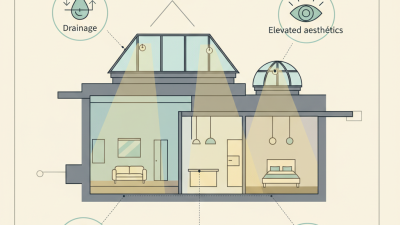
The best choice depends on daylight, ventilation, room size, and the roof’s pitch. A lantern is not merely a glass feature. It changes how rainwater moves across the roof.
At a 5° pitch, water drains slowly, especially around corners and frame joints.
A carefully sealed rectangular or square lantern can work, but installers need accurate falls, wide outlets, and unobstructed gutters.
At 10°, drainage becomes more reliable, while pyramid lanterns often shed rain evenly from several sides.
Around 15°, water clears faster, though taller profiles can catch more wind.
Wind exposure also affects the frame, fixings, and upstand design.
Coastal or exposed sites need stronger calculations, not assumptions.
Opening lanterns add hinges, actuators, and maintenance points.
Installation becomes more demanding as the roof rises. Access equipment may be necessary.
Thermal breaks and insulated glazing reduce condensation risks.
They do not fix poor ventilation. Site measurements matter. A few millimetres of error can create standing water. That is easy to underestimate.
I have seen attractive designs fail because drainage was treated as an afterthought.
Check structural loads, local building requirements, and the installer’s fixing method before ordering. Manufacturer data should support the specification, not replace professional judgement.
Flat roof lanterns vary widely. Common choices include glass, polycarbonate, acrylic, fixed, opening, pyramidal, rectangular, square, insulated, and smoke-venting designs. However, appearance should never lead the decision. A lantern must suit the roof build-up, drainage plan, and structural opening.
EN 1873 mainly covers individual rooflights made from plastics, including product performance and test methods. It can help buyers assess light transmission, weather resistance, impact behaviour, and dimensional stability. It does not automatically approve every lantern material or installation method. A glass lantern may require different standards and evidence. Check the product’s declared scope carefully.
BS 6229 addresses flat roofs with continuously supported waterproof coverings. It emphasises falls, drainage, detailing, materials, and workmanship. A lantern kerb should not interrupt water flow or create a weak point around the roof opening. On site, I would inspect the upstand, membrane seal, fixings, and internal condensation risk. Small errors matter here. A beautiful unit can still leak.
Ask for technical documentation, test results, installation guidance, and evidence of compatibility with the existing roof. Confirm wind exposure, snow loading, thermal performance, and safe access for maintenance. Safety glazing may also need assessment under relevant glazing requirements. Standards support good decisions, but they do not replace competent design. I would not trust a showroom sample alone; real roof conditions are less forgiving.
Leave your projects details, and one of our team will reach out to answer any questions you may have