10 Best Roof Lanterns for Global Buyers?

Choosing among the 10 Best Roof Lanterns for Global Buyers requires more than comparing glass, frames, and prices. A roof lantern changes daylight, heat gain, ventilation, and the visual character of a room. In practice, the best choice depends on climate, roof structure, orientation, and installation quality. A bright kitchen in Manchester needs different performance from a sun-exposed villa in Dubai.

The International Energy Agency’s Buildings report identifies buildings as responsible for roughly 30% of global final energy consumption. Its findings reinforce the value of efficient envelopes, controlled solar gain, and better daylight design. The U.S. Department of Energy also explains that daylighting can reduce reliance on electric lighting when glazing, shading, and room design work together. That final condition matters. More glass is not automatically better.

This guide compares roof lanterns using practical criteria, including thermal performance, glazing safety, water management, frame durability, ventilation options, and warranty clarity. U-values and solar heat gain coefficients deserve careful attention. So do local wind loads and snow conditions. A product may perform well in one region but struggle elsewhere.

Look closely at the details.

We also consider installation evidence, published test standards, and manufacturer support. These sources cannot replace an independent survey or qualified installer. Some market reports offer attractive growth forecasts, but their assumptions vary widely. That is worth remembering. A perfect global ranking does not exist.

Instead, this selection highlights credible options for different budgets, climates, and architectural needs. The strongest roof lantern may not be the most dramatic one. It may be the model that stays watertight, comfortable, and easy to maintain after years of changing weather.
10 Best Roof Lanterns for Global Buyers?

What Is a Roof Lantern and How Does It Work?

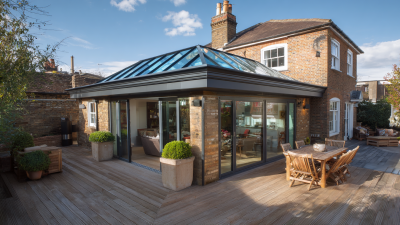
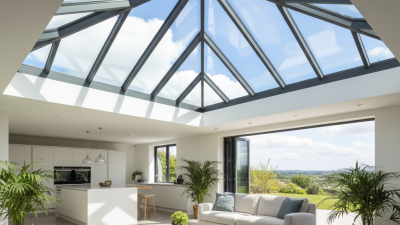
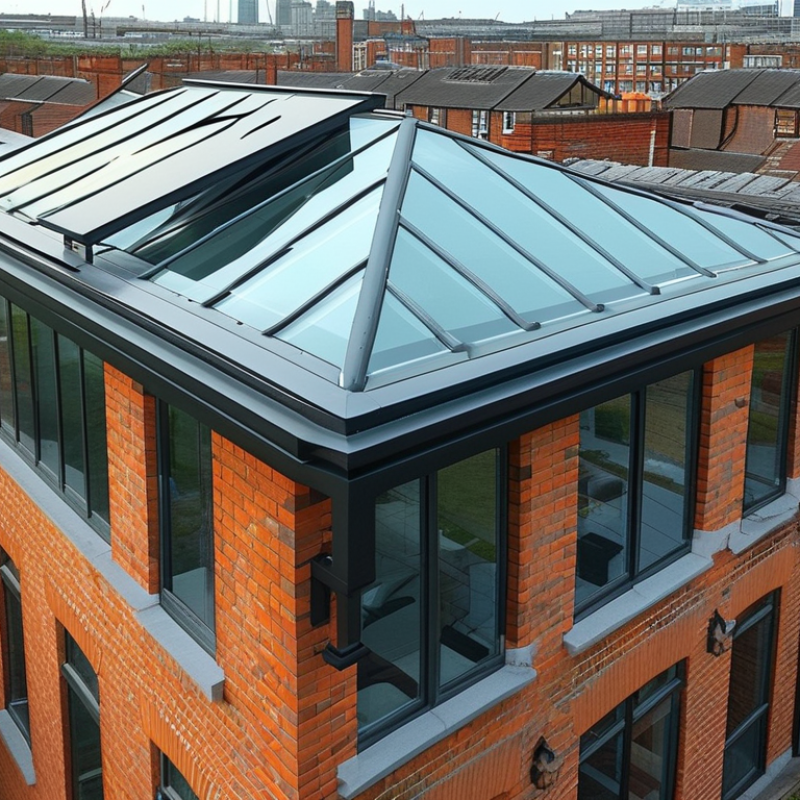
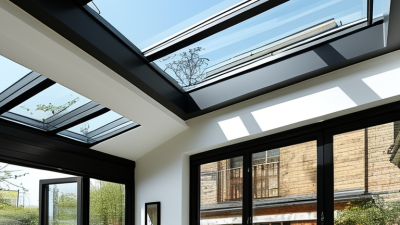
A roof lantern is a raised glazed structure installed on a flat or low-slope roof. It projects above the roofline like a small glass room. Sunlight enters through angled panes and spreads across the room below. The frame commonly uses thermally broken aluminium, timber, or another engineered material. Double or triple glazing can reduce heat transfer and outside noise. Its purpose is practical, not merely decorative.

The roof opening needs a strong upstand, secure flashing, and carefully sealed joints. These parts guide rainwater away from the structure. Inside, the lantern creates a warmer air pocket as sunlight passes through the glass. Operable vents can release rising hot air, although they work poorly when blocked by furniture or curtains. Low-emissivity coatings may improve comfort, but they cannot fix poor installation. Drainage matters more than many buyers expect.

For global buyers, roof pitch, wind exposure, snowfall, and local building requirements deserve close attention. A design suitable for a mild coastal climate may perform badly in a cold mountain region. Check the glass specification, frame insulation, safety rating, and replacement process before ordering. An experienced installer should inspect the roof structure, not just measure the opening. I would also question vague claims about “maximum energy efficiency.” Real performance depends on orientation, shading, ventilation, and workmanship. Mistakes often begin with attractive photographs.
Key Design Types and Materials Used in Roof Lanterns

For global buyers, the best roof lantern depends on climate, roof structure, and daylight goals. Traditional pyramid lanterns suit compact rooms, while ridge lanterns spread light along longer spaces. Contemporary flat-roof lanterns create cleaner sightlines, but their shallow profiles may drain rain less effectively. Consider the detail.

Frame materials change performance and maintenance. Thermally broken aluminium offers strength, slim sightlines, and reliable corrosion resistance. Timber provides warmth and can reduce embodied impact, yet it needs regular coating in humid climates. uPVC usually costs less, although larger openings may require thicker profiles. Stainless steel works well in severe coastal conditions, but its weight and price deserve careful checking.

Glazing choices matter more than appearance. Low-emissivity double glazing improves insulation, while triple glazing suits colder regions with higher structural demands. Solar-control coatings can reduce summer glare, but excessive tint may weaken winter daylight.

The International Energy Agency’s Buildings 2023 report states that buildings use about 30% of global final energy and create roughly 26% of energy-related emissions. The U.S. Department of Energy also warns that skylights can cause overheating without shading and ventilation. These findings support careful glass selection, not automatic upgrades.

Roof lanterns should include tested seals, safe drainage channels, and compatible flashing. Wind and snow loads vary sharply between countries. I would not select a lantern from photographs alone. A beautiful frame can still fail through poor installation, weak thermal detailing, or overlooked condensation. Check local standards, U-values, safety glazing, and replacement access before ordering.

How to Compare the 10 Best Roof Lanterns Worldwide

10 Best Roof Lanterns for Global Buyers?

Comparing the 10 best roof lanterns worldwide requires more than judging glass size or appearance. Start with thermal performance. Check the whole-unit U-value, solar heat gain coefficient, visible light transmittance, and air leakage. These figures should come from accredited testing, not promotional estimates. The IEA’s Buildings 2023 report states that buildings use about 30% of global final energy. A roof lantern can support daylighting, but poor solar control may increase cooling demand.

Climate changes the ranking. In a cold region, low U-value and strong airtightness matter most. In hot climates, external shading, low solar gain, and ventilation deserve greater weight. The U.S. Department of Energy’s Whole Building Design Guide recommends balancing daylight, glare, heat gain, and occupant comfort. A clear roof lantern is not automatically the best choice. Bright glare can make a room unpleasant.

Tips: Build a simple scorecard for all ten options. Record U-value, glass type, frame material, drainage design, wind rating, impact resistance, warranty, and replacement access. Verify compliance with relevant local standards, such as EN 1873 or equivalent regional requirements. Ask for installation details, because a strong lantern can still leak through weak roof junctions. Consider cleaning access too. It is often forgotten. One imperfect comparison remains: published laboratory results may not reflect dust, aging seals, or real weather. A local installer’s evidence can reveal more than a polished brochure.

10 Best Roof Lanterns for Global Buyers: Thermal Performance Comparison

This comparison uses representative roof-lantern glazing and frame configurations commonly specified in international construction projects. Lower whole-window U-values indicate better insulation performance.

Values are expressed in W/m²K and represent typical specification levels rather than a specific manufacturer or brand. Actual performance depends on frame design, spacer technology, installation quality, glass size, ventilation, solar control and local climate requirements.

Installation, Energy Efficiency, and Maintenance Considerations

Choosing among the 10 best roof lanterns requires more than comparing glass size or frame finish. Installation quality strongly affects energy performance. A level, properly supported opening prevents water ingress and unwanted air leakage. Before ordering, verify roof pitch, structural loading, drainage, and local planning requirements. These details vary widely between countries.

Glazing deserves careful attention. Low-emissivity coatings, solar-control layers, and warm-edge spacers can reduce heat transfer. The International Energy Agency reports that buildings consume about 30% of global final energy. Daylight can reduce artificial lighting demand, but excessive glazing may increase summer cooling loads. The U.S. Department of Energy recommends considering orientation, shading, and climate together. A bright room is not always an efficient room.

Maintenance is often underestimated. Inspect seals, flashings, and condensation channels at least twice yearly. Remove leaves before they block drainage. Use soft water and non-abrasive tools; scratched glazing reduces clarity and may weaken surface treatments. CIBSE TM59 highlights overheating assessment for homes with significant glazing, especially during warmer periods. External blinds or internal shades may be necessary. I have seen attractive installations become uncomfortable because shading was ignored. That mistake is expensive. Buyers should also confirm replacement-part availability, cleaning access, warranty conditions, and installer competence. Performance claims need independent test evidence, not only sales language.

How Global Buyers Can Choose the Right Roof Lantern

Choosing a roof lantern for an international project requires more than comparing photographs. Climate, roof structure, and local building rules change the right specification. Check the lantern’s U-value, solar-control glass, acoustic performance, and airtightness evidence. In cold regions, weak thermal breaks can create condensation around the frame. In hot climates, clear glazing may turn a dining area into a greenhouse. Ask for tested data, not vague claims.

Measure the roof opening, curb height, drainage falls, and interior ceiling line before ordering. A few millimeters matter. Confirm wind, snow, and seismic design loads with a qualified local professional. These values vary by site and should not be guessed from a general catalogue. Glass thickness, frame material, and fixing details should match the supporting roof. I once focused too heavily on appearance; the installation clearance later proved inconvenient. That mistake is easy to repeat when buying remotely.

For global buyers, delivery reliability is part of quality. Request drawings, packing dimensions, replacement-part procedures, and clear warranty terms in writing. Check whether the installer understands flashing, ventilation, and condensation control. A low price may hide difficult customs handling or missing accessories. Compare complete installed cost, not the unit price alone. Ask how the lantern performs after years of cleaning and seasonal movement. Some details remain uncertain until the roof is opened, so allow a measured site check before final production.

10 Best Roof Lanterns for Global Buyers? - How Global Buyers Can Choose the Right Roof Lantern

No. Roof Lantern Type Recommended Application Typical Frame Material Common Glazing Typical U-Value Range Typical Size Range Key Advantages Important Buying Considerations
1 Thermally Broken Aluminium Lantern Modern homes, commercial extensions, and projects requiring slim sightlines Powder-coated or anodised aluminium with polyamide thermal breaks Double or triple insulating glass; low-emissivity coatings are widely available Approximately 1.0–1.8 W/m²K for the complete rooflight system, depending on glazing and design Commonly available from about 1.2 × 1.2 m to over 5 × 3 m, subject to structural design Strong, lightweight, corrosion-resistant, low-maintenance, and suitable for large spans Confirm thermal-break quality, condensation performance, wind-load calculations, and local finish standards
2 Timber Roof Lantern Traditional houses, heritage-style renovations, and interiors where natural materials are preferred Engineered or treated softwood and hardwood Double or triple insulated glass, often with low-emissivity coating Approximately 0.8–1.6 W/m²K for the glazed system, depending on timber section and glass specification Usually about 1.0 × 1.0 m to 4 × 3 m for standard designs Warm appearance, good natural insulation, and compatibility with period architecture Requires regular maintenance; check moisture protection, paint or stain systems, and timber certification
3 uPVC Roof Lantern Residential conservatories, small extensions, and cost-sensitive projects Multi-chamber uPVC profiles, often reinforced where necessary Double or triple insulating glass; solar-control options may be specified Approximately 1.1–1.8 W/m²K for the complete system Commonly about 1.0 × 1.0 m to 3.5 × 2.5 m Competitive cost, easy cleaning, good moisture resistance, and low routine maintenance Check profile reinforcement, colour stability, maximum panel dimensions, and resistance to thermal movement
4 Polycarbonate Lantern Utility rooms, workshops, agricultural buildings, and projects prioritising impact resistance Aluminium, uPVC, or galvanised steel framing Multiwall or solid polycarbonate sheets with UV protection Approximately 1.3–2.8 W/m²K, depending on sheet thickness and cellular structure Often produced from about 1.0 × 1.0 m to 6 × 3 m using modular panels Lightweight, impact-resistant, easy to transport, and generally less expensive than glass Check light transmission, acoustic performance, sheet expansion allowances, UV warranty, and fire classification
5 Solar-Control Glass Lantern Warm climates and buildings with large south-, west-, or equator-facing roof areas Thermally broken aluminium, timber, or composite framing Solar-control low-emissivity double or triple glazing Approximately 1.0–1.6 W/m²K, with solar factor values commonly selected according to climate Typically about 1.2 × 1.2 m to 5 × 3 m, subject to glass weight and structure Reduces excessive solar gains while preserving daylight and exterior views Balance solar control with visible light transmission; external shading may still be needed in hot climates
6 Triple-Glazed Roof Lantern Cold climates, energy-efficient buildings, and spaces requiring improved winter comfort Thermally broken aluminium, composite, or engineered timber Triple insulating glass with low-emissivity coatings and inert-gas cavities Approximately 0.7–1.2 W/m²K for the complete rooflight system Usually about 1.0 × 1.0 m to 4 × 3 m, depending on glass weight and support design Improved insulation, warmer internal surfaces, and reduced heat loss compared with basic double glazing Higher weight and cost; verify roof structure, handling requirements, solar-control specification, and ventilation strategy
7 Low-Pitch Roof Lantern Flat-roof extensions and buildings where planning height or visual impact must be limited Aluminium, uPVC, timber, or composite profiles Double or triple insulated glass, depending on the climate and performance target Approximately 0.9–1.8 W/m²K for well-insulated systems Commonly about 1.2 × 1.2 m to 4 × 3 m Provides daylight while reducing overall roof profile and external height Confirm the minimum manufacturer-approved pitch, water drainage, flashing details, and snow-load capacity
8 Large-Span Roof Lantern Open-plan living areas, atriums, restaurants, galleries, and commercial spaces Engineered aluminium or steel-supported framing with thermal breaks where required Laminated or toughened insulating glass; solar-control and acoustic options are available Approximately 1.0–2.0 W/m²K, depending on span, framing ratio, and glazing selection Often exceeds 4 × 3 m and may be custom-engineered for larger openings Creates a strong architectural feature and delivers high levels of natural daylight Professional structural design is essential; assess deflection, glass weight, wind pressure, snow load, and installation access
9 Acoustic Roof Lantern Urban homes, offices, schools, hospitality venues, and buildings near transport infrastructure Thermally broken aluminium, timber, or composite framing Laminated acoustic insulating glass with different pane thicknesses Approximately 1.0–1.8 W/m²K; acoustic ratings commonly fall around 35–45 dB Rw depending on construction Typically about 1.0 × 1.0 m to 4 × 3 m Reduces external noise while maintaining natural light and thermal performance Request tested acoustic data for the complete installation, including joints, kerbs, vents, and surrounding roof construction
10 Ventilated Roof Lantern Kitchens, high-occupancy rooms, humid environments, and buildings requiring passive ventilation Aluminium, timber, uPVC, or composite frame with integrated opening sections Double or triple insulating glass with manually or electrically operated vents Approximately 1.0–1.9 W/m²K when vents are closed; operational performance varies by ventilation design Commonly about 1.2 × 1.2 m to 4 × 3 m Supports removal of warm, humid air and can improve indoor air quality and summer comfort Check rain sensors, insect screens, controls, actuator reliability, maintenance access, and emergency ventilation requirements

Note: Performance values are typical industry ranges rather than guarantees. Final results depend on the complete roof lantern assembly, glazing configuration, frame design, installation quality, local climate, and applicable building regulations.

Before you go

Leave your projects details, and one of our team will reach out to answer any questions you may have