
Choosing the best windows doors suppliers in China requires more than comparing factory prices. A reliable evaluation should examine product quality, production experience, certification records, customization ability, and after-sales support. It should also consider how each supplier manages testing, packaging, delivery, and installation guidance. These details become visible in real projects: accurate corner joints, smooth hardware movement, consistent powder coating, and glass that arrives without scratches.
Carl Elefante, a respected sustainable-building expert, once said, “The greenest building is the one that is already built.” His point is highly relevant here. Durable windows doors can reduce replacement waste, improve indoor comfort, and support long-term energy performance. However, supplier claims should not be accepted blindly. Factory photos are useful, but they are not proof. Independent test reports, project references, sample inspections, and clear warranty terms offer stronger evidence.
The leading Chinese suppliers may include large manufacturers, specialized exporters, and regional factories with strong technical teams. Their strengths are not identical. One company may offer excellent thermal-break aluminum systems, while another performs better with uPVC, curtain walls, or custom entrance doors. That difference matters.
There is no perfect shortlist.
Market rankings can change quickly. Some factories look impressive online but provide weak communication after payment. Others have modest websites yet deliver carefully engineered products. This guide will compare suppliers through practical criteria, including manufacturing capability, material control, compliance documentation, customization, pricing transparency, and customer feedback. The goal is not to promote the loudest company. It is to identify partners that can perform consistently when specifications become demanding.
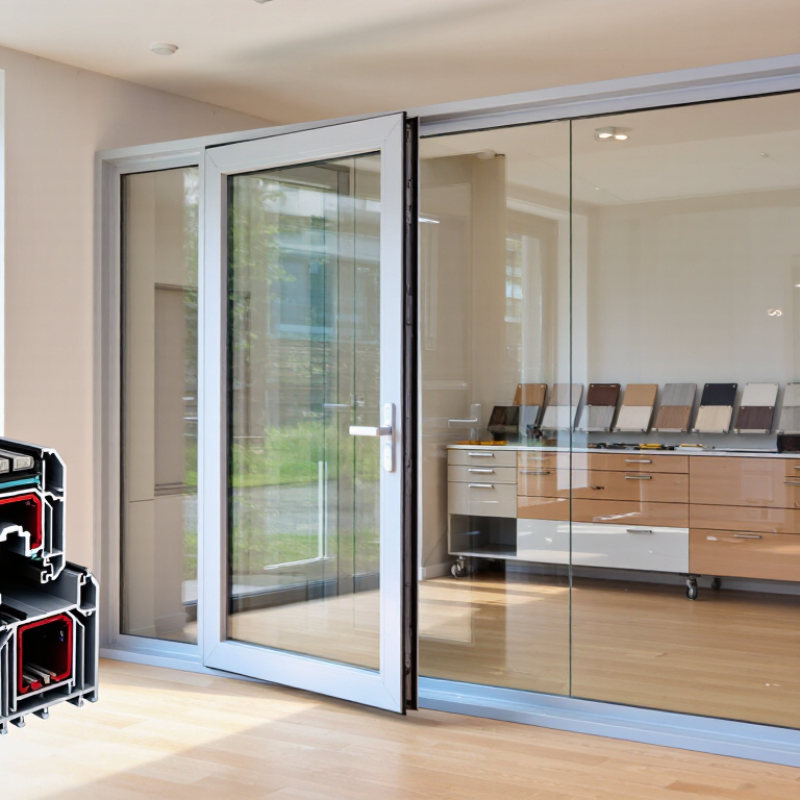
Defining the best window and door supplier in China takes more than comparing catalog prices. A dependable supplier can explain frame materials, glass options, hardware grades, and insulation performance in clear terms. Ask for test reports that match the exact product configuration, not a similar model. Details matter. Check how the supplier handles measurements, installation guidance, and after-sales questions. A quick, specific answer is more useful than a polished sales promise.
Look for evidence of consistent production quality. Request recent factory inspection records, product samples, and references for projects with similar sizes or weather conditions. Compare sample corners, gasket fit, surface finish, and how smoothly each handle operates. Confirm packaging details too; scratched frames can turn a good order into a costly problem. A showroom may look perfect, but it cannot prove that every batch will match. I would still leave room for doubt and verify claims independently.
Tips: Share drawings, opening sizes, preferred materials, and local climate conditions before requesting a quote. Ask who checks dimensions and what happens if a sample differs from mass production. Keep written specifications, and compare the same items across supplier quotations.

Chinese windows and doors suppliers typically offer aluminum, uPVC, timber, and steel products for homes and commercial buildings. Common options include sliding, casement, tilt-and-turn, and folding windows, alongside entry, patio, fire-rated, and interior doors. Buyers can often select frame colors, opening direction, glazing, and hardware. Details matter.
Glass choices may include double or triple glazing, laminated panes, and low-emissivity coatings. These options can support insulation, noise reduction, or safety, depending on the design and installation. Ask suppliers for product data, tested performance figures, and clear explanations of what each rating measures. A thick frame alone does not prove strong thermal performance.
Services may cover design consultation, shop drawings, custom sizing, sample production, fabrication, packing, and export coordination. Some suppliers also provide installation instructions, remote technical support, replacement parts, or site installation through local partners. Confirm which services are included and which cost extra. Before production, check measurements, finish samples, opening details, and packaging requirements. A small mismatch can become an expensive delay. Quality-control procedures vary, so request inspection records and agree on acceptable tolerances in writing. Not every supplier provides the same level of after-sales support.
| Supplier Category | Typical Products | Common Materials and Options | Typical Services | Useful Evaluation Checks |
|---|---|---|---|---|
| Aluminum window and door manufacturers | Sliding, casement, tilt-and-turn, folding, and entrance door systems | Thermally broken or non-thermally broken aluminum profiles; double- or triple-glazed units; optional insect screens and hardware configurations | Profile and finish selection, made-to-measure fabrication, shop drawings, sample production, and export packing | Confirm profile dimensions, glass specification, hardware details, finish requirements, and performance evidence for the intended project |
| uPVC window and door manufacturers | Casement, sliding, tilt-and-turn, and patio door products | Multi-chamber uPVC profiles; insulated glass options; steel reinforcement and different opening configurations where specified | Size and configuration customization, color and glazing options, technical drawings, and production coordination | Check reinforcement details, drainage design, seals, glazing compatibility, and suitability for local climate and building requirements |
| Curtain wall and façade fabricators | Unitized or stick curtain wall systems, façade windows, and glazed entrance assemblies | Aluminum framing with insulated, laminated, or other project-specified glass; finish and sealant options subject to design | Design coordination, system detailing, fabrication, packaging plans, and project-specific technical documentation | Review structural calculations, interface details, water and air performance evidence, and the supplier’s defined scope of work |
| Wood and aluminum-clad window manufacturers | Casement, tilt-and-turn, fixed, and selected sliding windows and doors | Interior timber surfaces with exterior aluminum cladding, or timber-only constructions; glazing and coating options vary | Timber species and finish selection, custom sizing, glazing configuration, and sample or drawing review | Confirm timber sourcing and treatment, coating system, cladding drainage, maintenance expectations, and warranty terms |
| Interior and exterior door manufacturers | Interior doors, entry doors, patio doors, and project-specific door sets | Options may include engineered wood, solid wood, steel, aluminum, or glass, depending on product type | Door-leaf and frame sizing, finish selection, hardware preparation, packing, and order documentation | Specify opening direction, frame and wall dimensions, fire or security requirements where applicable, and hardware scope |
| Custom project and OEM suppliers | Made-to-order windows, doors, façade components, or products manufactured to buyer drawings | Material, profile, glazing, finish, and hardware combinations defined by the approved specification | Drawing review, samples, production planning, inspection coordination, labeling, and export logistics support | Agree on approved drawings, tolerances, inspection criteria, change control, payment milestones, and delivery terms before production |
This table summarizes common supplier categories and offerings rather than ranking individual businesses. Product availability, technical capability, testing, certifications, and service scope vary by supplier and project; request current documentation and verify that it applies to the exact product being purchased.
China’s leading window and door suppliers are usually specialized manufacturers, not simply large factories. They serve residential, commercial, and energy-efficient building projects. Strong suppliers often offer aluminum, uPVC, timber, and thermally broken systems. Their product range should match the project’s climate, structure, and design requirements.
Reliable suppliers provide clear technical drawings, material specifications, and installation guidance. They also support independent testing for air leakage, water resistance, wind pressure, and thermal performance. Look for factories with documented quality systems and experience exporting to similar markets. Site audits can reveal practical details, such as organized glass storage, accurate cutting equipment, and protected finished products. These details matter.
Communication is another important measure of industry leadership. Good suppliers explain lead times, packaging methods, hardware options, and maintenance needs without vague promises. Sample testing is essential. A factory may produce attractive samples but struggle with consistency during mass production. That risk deserves attention. I would also question unusually low prices, because thinner profiles or weaker hardware may create problems later. No supplier is perfect, and even experienced buyers can overlook installation conditions. The strongest Chinese suppliers remain transparent, responsive, and willing to correct technical issues before shipment.
Leading Chinese window and door suppliers are typically evaluated by product quality, customization capability, energy efficiency, export compliance, delivery reliability, after-sales service, and total cost. The percentages represent a practical procurement weighting model rather than a ranking of individual companies or brands.
Choosing the best windows and doors supplier in China requires more than comparing catalog prices. Quality should begin with controlled materials, stable welding, accurate corner joints, and traceable hardware batches. Ask for recent air, water, wind-load, thermal, and acoustic test reports for the exact profile and glass specification. Generic laboratory documents are weak evidence. The ISO Survey 2022 recorded about 1.26 million ISO 9001 certificates worldwide, but certification alone does not guarantee good products. Request the certificate scope, issuing body, expiry date, and factory address. Then compare those details with an independent factory audit and a pre-shipment inspection.
Export experience needs equal scrutiny. The World Bank’s Logistics Performance Index 2023 ranked China 19th, with a score of 3.7, showing strong national logistics performance, not automatic supplier reliability. Ask suppliers to provide redacted shipping records, destination countries, packaging photographs, and references for projects with similar climate and building codes. Check whether they understand Incoterms, container loading, moisture protection, and replacement procedures. Small details matter. A damaged glass corner can erase a low-price advantage.
I would also test a production sample before approving mass manufacturing. Measure frame dimensions, drainage holes, gasket compression, and glass labeling on arrival. Some suppliers present polished samples but change components during production. That risk is easy to underestimate. My own comparison would score technical evidence, factory consistency, communication, and export documentation separately, rather than trusting one impressive certificate.
Reference sources: ISO Survey 2022 and World Bank Logistics Performance Index 2023.
Choosing a windows and doors supplier in China starts with your project requirements, not a low quotation. Define opening sizes, frame material, glass type, finish, and expected performance before comparing offers. Ask for drawings and product specifications that match your actual order. Check whether test reports cover the same configuration, including glass, hardware, and frame. Details matter. A neat sample can still differ from a production batch, so agree on inspection points before manufacturing begins.
Tips: Send one clear specification sheet to every shortlisted supplier. Request a physical sample to check color, seals, corner joints, and handle movement. Confirm lead time, packaging, shipping terms, and how damaged items are handled. Ask who will answer technical questions after delivery. Keep written records; calls are easy to remember differently.
A capable supplier should explain limitations as well as strengths, especially around unusual sizes, coastal exposure, or demanding thermal requirements. Look for consistent answers, realistic schedules, and evidence of quality checks, rather than promises alone. If possible, use an independent inspector for a pre-shipment review. It adds cost, and it cannot catch every issue. Still, a small mismatch in glass or hardware can create delays once the units reach the site.
Leave your projects details, and one of our team will reach out to answer any questions you may have