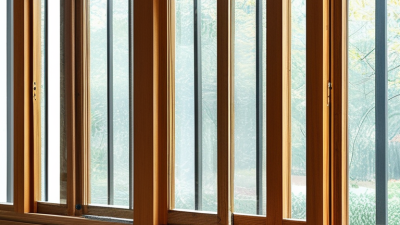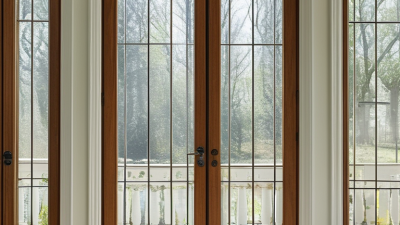
Choosing the best windows and doors for 2026 starts with your climate, not a showroom display. A sunny south-facing room has different needs from a drafty bedroom above a garage. The U.S. Department of Energy estimates that heat gain and loss through windows account for about 25%–30% of residential heating and cooling energy use. That makes glass, frame, and installation choices more than cosmetic details.
Building scientist Joe Lstiburek offers a useful reminder: “Windows are holes in walls.” The line is blunt, but it captures why a high-performing product can still disappoint if its flashing or air sealing is poor. Look beyond frame material. Compare U-factor and solar heat gain coefficient ratings on National Fenestration Rating Council labels, then match them to local conditions. ENERGY STAR guidance also emphasizes choosing products suited to your climate zone; a low U-factor may matter most in a cold region, while solar control can be crucial in a hot one.
Details matter. A large glass area may brighten a kitchen, yet increase summer glare. Fiberglass, vinyl, wood, and composite frames each bring trade-offs in upkeep, appearance, and cost. There is no universal winner, and product claims should be checked against independent ratings and written warranties. This guide examines the windows and doors worth considering in 2026, including energy performance, durability, security, and installation. Some choices may look less exciting on a sample board. They can still feel better on a windy night.
Which Windows and Doors Are Best for 2026?
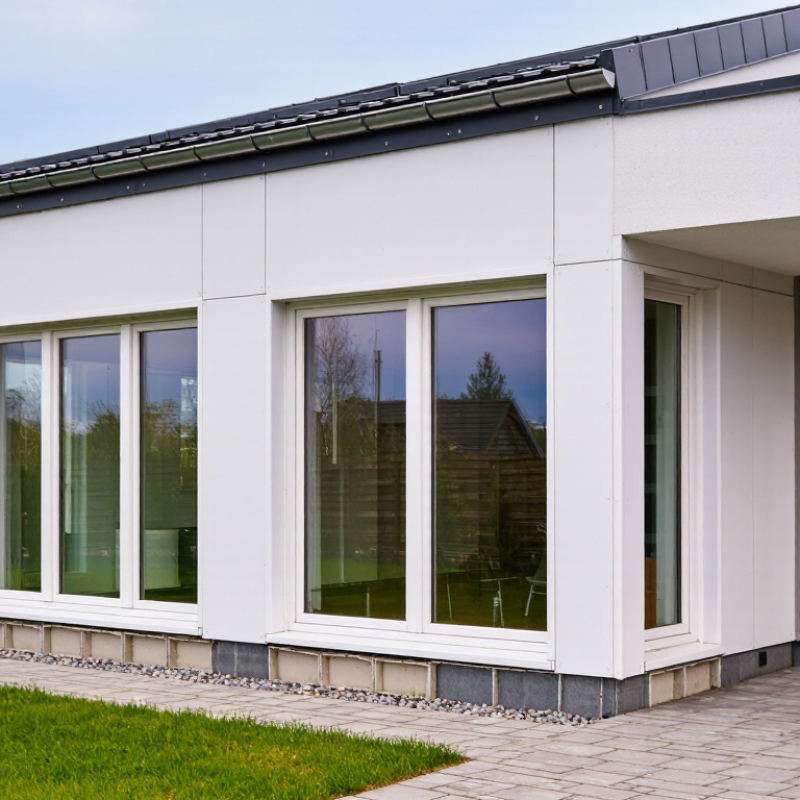
The best windows and doors for 2026 should be defined by performance, not appearance alone. Start with your local climate, wall design, and daily habits. A sunny coastal home needs different glass than a shaded northern apartment. Check U-factor, solar heat gain coefficient, air leakage, and water resistance. These figures help compare products objectively, but they do not replace a careful inspection.
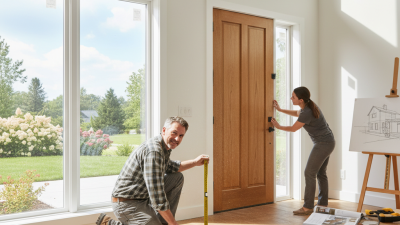
Installation matters just as much. A well-rated window can fail when the opening is poorly measured or the flashing is incomplete. On renovation projects, small gaps around frames often create cold drafts and higher energy bills. Measure twice. Inspect the sill. Confirm that drainage paths remain open. For doors, test the threshold, hinges, locks, and weather seals. The door should close smoothly without forcing the frame.
Durability also belongs in the definition. Choose materials that suit moisture, ultraviolet exposure, cleaning routines, and expected use. Consider ventilation, daylight, noise control, and easy operation for children or older residents. Independent test reports and qualified installers add credibility, while clear warranties improve long-term confidence. Still, no rating predicts every home perfectly. A quiet street may make acoustic glass unnecessary, while a windy hillside may expose weaknesses quickly. The “best” choice is therefore a balanced decision, supported by verified data and realistic site conditions.
Choosing the right window style begins with the room, not the catalogue. The U.S. Department of Energy reports that windows can cause 25–30% of residential heating and cooling energy use. In sunny living rooms, low-e casement windows can provide strong ventilation and tighter seals. Their outward opening catches cross-breezes better than many sliding designs. Awning windows work well above kitchen counters because they ventilate during light rain.
Bedrooms usually benefit from operable windows with secure hardware and controlled airflow. Double-hung windows are practical where vertical ventilation matters. They also simplify cleaning from inside, especially on upper floors. However, their meeting rail may reduce the clear view. Small bathrooms need privacy glass, modest opening areas, and moisture-resistant frames. It sounds obvious.
For compact spaces, sliding windows need little exterior clearance. They suit hallways, basements, and rooms near walkways. Large fixed windows deliver daylight but provide no emergency ventilation. The National Fenestration Rating Council recommends comparing U-factor and solar heat gain coefficient, rather than judging glass by appearance. Lower U-factor generally means better insulation, while SHGC should reflect local sunlight and orientation. A south-facing room may need stronger solar control than a shaded north-facing room. Installation remains the weak link. Even a high-performing window can leak air when flashing, drainage, or sizing is poor. That is where design assumptions deserve another look.
Choosing a door for 2026 means comparing daily access, not only appearance. Hinged entry doors usually provide the clearest seal and strongest frame connection. A solid core, reinforced strike area, and quality deadbolt can resist common forced-entry methods. The FBI’s 2023 Crime Data Explorer recorded more than 800,000 burglary offenses in the United States, so visible hardware still matters. Security is practical.
Sliding doors offer wider openings and useful daylight. However, their tracks can collect grit, while weak rollers or missing anti-lift devices create avoidable risks. French doors provide generous access, but the inactive leaf needs proper top and bottom bolts. Pocket doors save space, yet their recessed locks can be less convenient during emergencies. Small differences matter. They often get ignored.
For accessibility, the 2010 ADA Standards specify at least 32 inches of clear door opening on accessible routes. Low thresholds, lever handles, and firm lighting also help older adults and children. AARP’s 2021 Home and Community Preferences Survey found that 77% of adults aged 50 and older want to remain in their homes as they age. That makes easy operation a long-term security feature. In practice, I would not choose a door from specifications alone. A poorly aligned frame can defeat an expensive lock, and even experienced installers sometimes overlook drainage, sightlines, or a door closer that feels too heavy.
Which Windows and Doors Are Best for 2026?
Material choice affects more than appearance. The U.S. Department of Energy reports that windows can cause 25–30% of residential heating and cooling energy use. Well-designed frames reduce heat transfer, but no material performs perfectly in every climate. Fiberglass resists warping and conducts little heat. Wood offers strong insulation, yet exposed edges require regular maintenance. Aluminum is durable and slim, but it needs a thermal break to limit condensation. Vinyl can perform efficiently, although poor installation may cause movement and air leakage.
Glazing often delivers the biggest efficiency improvement. Double glazing with low-emissivity coatings and inert gas can reduce indoor heat loss. Triple glazing adds comfort in cold regions, but its extra weight and cost may not suit every project. The National Fenestration Rating Council evaluates U-factor, solar heat gain coefficient, visible transmittance, and air leakage. These numbers matter more than attractive marketing language. A lower U-factor usually means better insulation, while SHGC should match local sunlight and orientation.
The International Energy Agency states that buildings consume about 30% of global final energy. That figure makes small envelope decisions less small. South-facing glass may need a lower SHGC, while north-facing openings often benefit from higher daylight transmission. Doors deserve equal attention: insulated cores, continuous weatherstripping, and properly sealed thresholds prevent cold drafts. I would not choose the most expensive unit automatically. Installation errors can undermine excellent glazing, and real performance sometimes disappoints the specification sheet.
There is no single best choice for every home. Compare the frame, glazing, climate, exposure, maintenance needs, and verified whole-product performance before choosing windows or glazed doors.
| Material | Thermal Performance | Durability and Weather Resistance | Maintenance | Best Suited To | Important Trade-Off |
|---|---|---|---|---|---|
| Vinyl (PVC) | Frames conduct less heat than standard unbroken aluminum; multi-chamber profiles can improve insulation. | Does not rot or need painting, but prolonged sunlight and temperature changes can affect some products. | Generally low; clean periodically and inspect seals and hardware. | Homeowners seeking a low-maintenance option and a range of price points. | Color, finish, structural capacity, and repair options vary by product; large openings may need additional reinforcement. |
| Fiberglass | Low-conductivity frames can limit heat transfer; insulated glazing remains important to total performance. | Resists rot and moisture-related swelling; finish durability depends on the coating and exposure. | Usually low; inspect finishes, seals, and operating hardware. | Owners prioritizing dimensional stability and long-term weather resistance. | Availability, cost, colors, and repair services can vary by region and product. |
| Wood | Wood is a relatively good natural insulator; performance depends on frame design and glazing. | Can last a long time when protected from persistent moisture; vulnerable to decay if finishes or drainage fail. | Requires periodic inspection and repainting or refinishing, especially on exposed surfaces. | Homes where a natural interior finish or traditional appearance is a priority. | More upkeep is typically needed than with vinyl or fiberglass. |
| Aluminum | Conducts heat readily. Thermal breaks separate interior and exterior frame sections and can improve performance. | Strong and dimensionally stable; corrosion resistance depends on alloy, finish, and exposure. | Generally modest; keep drainage paths clear and check coatings, seals, and hardware. | Large glass areas, slim sightlines, and applications needing frame strength. | For conditioned spaces, specify a thermally broken frame and compare its certified whole-product ratings. |
| Composite or clad wood | Performance varies with the materials and construction; insulated glazing and frame design determine the complete unit's rating. | Cladding can protect the exterior while retaining a wood interior; joints and finishes still require inspection. | Often less exterior refinishing than exposed wood, but not maintenance-free. | Projects seeking a wood interior with added exterior weather protection. | “Composite” covers different constructions, so compare specifications rather than relying on the category name. |
| Insulated steel door | An insulated core can reduce heat flow; the door's glazing, edges, and frame also affect performance. | Durable when the finish and edges remain intact; damaged coatings can expose steel to corrosion. | Inspect the finish, weatherstripping, threshold, and hardware. | Entry doors where strength and a low-maintenance painted finish are desired. | Check the complete door assembly rating; a glass insert can change thermal performance. |
| Fiberglass exterior door | Insulated-core designs can provide good thermal resistance; glazing and perimeter seals remain important. | Resists moisture-related deterioration; performance depends on the door system and installation. | Usually modest; maintain the finish and inspect seals and hardware. | Exterior entries exposed to weather where reduced upkeep is valued. | Confirm the product is rated for the site's exposure and installed with effective flashing and weather seals. |
| Glazing Type | Typical Effect | Useful For | Considerations |
|---|---|---|---|
| Double glazing | Two panes with a sealed space generally reduce heat transfer compared with single glazing. | Most residential replacements and new installations. | Performance depends on the gap, gas fill, low-emissivity coatings, spacer, frame, and workmanship. |
| Triple glazing | A third pane can further reduce heat transfer and may improve comfort near the window. | Cold climates, noisy locations, or projects with demanding energy targets. | Usually heavier and more costly; verify frame capacity, installation details, and climate suitability. |
| Low-emissivity (Low-E) coating | A microscopically thin coating can reduce radiant heat transfer. Different coatings allow different amounts of solar heat. | Matching solar gain and insulation to local heating and cooling needs. | Ask for the whole-product U-factor and Solar Heat Gain Coefficient (SHGC), not just the coating description. |
| Argon or krypton gas fill | Gas in the sealed space can reduce heat transfer compared with air when the unit is properly designed and sealed. | Insulated glass units where improved thermal performance is desired. | Gas fill is only one part of performance; seal quality and the full assembly matter. |
| Solar-control glazing | Designed to reduce incoming solar heat; some options also reduce visible light transmission. | Cooling-dominated climates or sun-exposed façades. | Choose by orientation and climate. A lower SHGC can reduce useful winter solar heat in colder regions. |
| Laminated or impact-rated glazing | Laminated glass holds fragments together if broken; impact-rated assemblies are designed and tested for specified hazards. | Noise reduction, security needs, or locations subject to regulated windborne-debris requirements. | Confirm the tested assembly and local code requirements; glass alone does not establish a product's impact rating. |
How to compare ratings: U-factor measures heat flow; lower is generally better for insulation. SHGC measures the fraction of solar heat admitted; the preferred value depends on climate, orientation, shading, and heating or cooling goals. Compare certified whole-window or whole-door ratings using the same rating system, and check current local energy and safety codes. Actual performance depends on product size, configuration, installation, and maintenance.
Choosing windows and doors for 2026 starts with your climate, not a showroom trend. In cold regions, prioritize a low U-factor to slow heat loss. In hot, sunny areas, a low solar heat gain coefficient can reduce unwanted warmth. Coastal homes may need corrosion-resistant hardware and impact-rated glazing. These upgrades can cost more, so compare installation quotes and expected energy savings before choosing.
The U.S. Department of Energy’s Residential Windows, Doors, and Skylights guidance estimates that windows account for 25–30% of residential heating and cooling energy use. Ratings matter. Check the National Fenestration Rating Council label, then match its values to your climate. For a traditional home, divided-lite windows may preserve the facade; slim frames can suit modern designs. A large glass door brings daylight, but it may also increase summer heat and glare. That trade-off is easy to underestimate.
Tips: Measure existing frames before ordering. Ask installers about air sealing and flashing, not just the product. Keep some budget for repairs around the opening; old trim can hide moisture damage. A perfect specification on paper can still disappoint if installation is rushed.
Leave your projects details, and one of our team will reach out to answer any questions you may have