In 2026, global buyers are evaluating casement windows through energy performance, climate resilience, and installation practicality. A coastal apartment needs different protection from a cold mountain home. The frame, glass package, hardware, and seal quality must work together.
Industry reports provide useful direction, but they do not replace project evidence. Grand View Research’s global windows and doors analysis highlights renovation, energy efficiency, and sustainable materials as important market drivers. The U.S. Department of Energy also explains that low-emissivity glass, insulated glazing, and tighter frames can reduce unwanted heat transfer. These findings support closer attention to double-glazed, triple-glazed, thermally broken aluminum, uPVC, timber, and hybrid casement systems.
Performance matters most.
This guide examines the leading types of casement windows expected to attract international buyers in 2026. It considers outward-opening, top-hung, French, tilt-and-turn, and fixed-plus-opening combinations. Each option offers a different balance of ventilation, security, cleaning access, daylight, and weather resistance. For example, a top-hung sash can help reduce rain entry during ventilation, while a French casement can create a wider opening without a central mullion.
Certification also deserves careful review. Buyers should compare U-values, solar heat gain, air leakage, water penetration, acoustic ratings, and documented test methods. EN, NFRC, and local performance standards may not measure products identically. That distinction is easy to miss.
Our framework is practical, not flawless. Supplier testing, site exposure, and installation workmanship can change real-world results. The strongest choice is not always the most expensive window. It is the system that matches the building, climate, budget, and maintenance expectations.
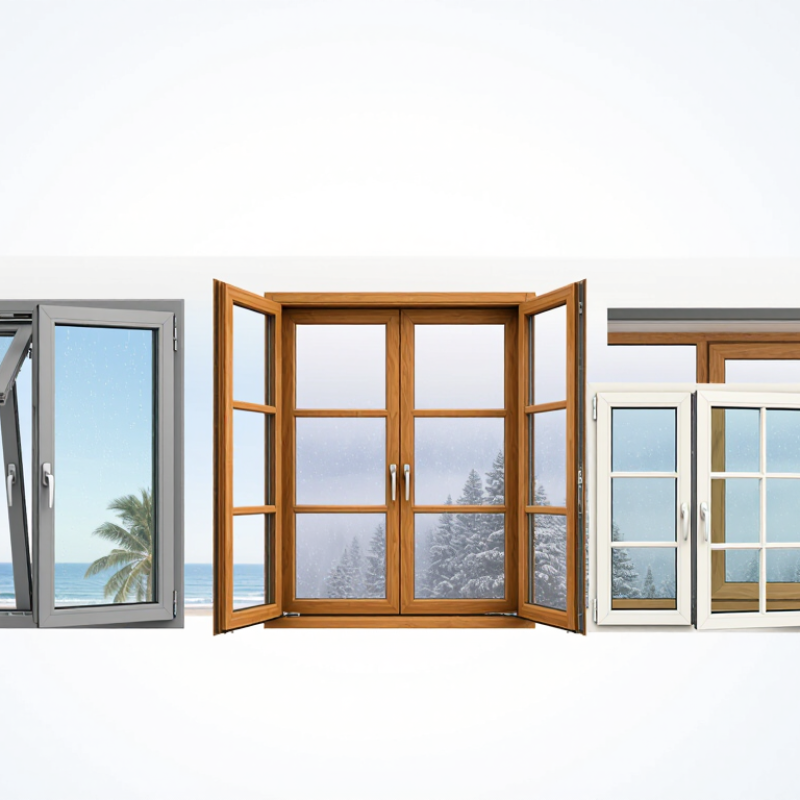
Casement windows are hinged units that open like a door. Their sash usually turns outward from one side. A handle, operator, and hinge set control this movement. When the handle rotates, the operator pushes the sash away from the frame. The sash then closes against compression seals, limiting air and water movement.
This design can provide wide ventilation because the entire opening becomes usable. An open sash can also catch side breezes and guide fresh air indoors. Common configurations include single-sash, French, top-hinged, and fixed-plus-opening combinations. Each option changes airflow, views, and cleaning access. Inward-facing hardware may need regular adjustment. Small details matter.
For global buyers, installation quality is as important as the window specification. The frame must match the wall opening accurately. Installers should check diagonal measurements, drainage paths, hinge alignment, and seal compression. Poor alignment can create a stiff handle or uneven gaps. That is not always obvious at first. Coastal sites may require corrosion-resistant hardware, while colder regions need stronger thermal breaks and insulated glass. Warm climates may benefit from solar-control glazing and external shading. Safety stays important too, especially where outward-opening sashes face walkways or upper floors. A well-designed casement window operates quietly, but even good hardware can loosen over time. Regular cleaning and occasional inspection remain practical requirements.
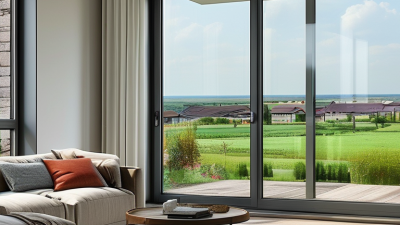
In 2026, side-hung casement windows will remain strong in many global markets. Their wide opening supports cross-ventilation and clear outdoor views. In warm regions, this design can move air across living spaces quickly. In colder climates, multi-point locks and low-emissivity glazing matter more than opening size. Poor installation can still undermine excellent specifications.
Top-hung awning windows will gain attention in rainy and humid areas. They allow ventilation while the sash shields the opening from light rain. This detail suits kitchens, bathrooms, and compact urban apartments. French casement windows offer a broad central opening without a fixed meeting post. They may appeal to buyers seeking daylight and flexible ventilation. However, larger openings require careful hardware selection and stronger frame reinforcement.
Push-out casements will also influence premium residential projects. Their simple outward movement can create a quieter, more tactile user experience. Timber, aluminum, and composite frames will compete according to climate, maintenance expectations, and project budgets. In coastal locations, corrosion resistance deserves practical testing, not just catalogue claims. I have seen attractive window systems fail when drainage paths were ignored. That lesson remains uncomfortable but useful.
Global buyers will increasingly compare air leakage, water resistance, thermal performance, repair access, and local installer skill. The best type may not be the most advanced. It may be the one that performs reliably after ten years of weather, cleaning, and imperfect use.
Material choice strongly affects casement window performance, maintenance, and service life. Aluminum frames suit large openings and resist warping, but they need thermal breaks in colder regions. uPVC offers dependable insulation and simple cleaning, although dark colors may expand in strong sunlight. Timber provides a warm appearance and natural insulation, yet it requires careful sealing and periodic maintenance. In coastal areas, buyers should confirm corrosion-resistant hardware and drainage details. Local climate matters more than appearance.
Glass selection changes comfort inside the room. Double glazing can reduce heat transfer, while triple glazing performs better in severe cold or noise-sensitive locations. Low-E coatings help control radiant heat, but the correct coating depends on climate and window orientation. Argon-filled cavities can improve insulation when the sealed unit remains intact. Laminated glass can reduce noise and improve safety, while tempered glass offers stronger resistance to thermal stress. A triple pane is not automatically better. It can add weight, cost, and hardware demands.
Tips: Compare whole-window U-values, not glass-only figures. Ask for tested air leakage, water resistance, and wind-load results. Inspect spacer quality and gasket flexibility. Check whether installation instructions match local building practice. An efficient frame can still perform poorly when the perimeter seal is uneven. This detail is easy to underestimate. Look closely.
Global buyers should compare casement windows by climate, building use, and installation conditions. Side-hung casements provide wide ventilation and suit bedrooms or living areas. Top-hung designs shed rain more effectively in exposed locations. French casements create a broader opening, but they may require stronger hardware and more wall clearance. Fixed panels can improve daylight, though they reduce ventilation.
Check the frame material, glass performance, seals, and drainage details together. Aluminium frames offer slim sightlines and structural strength. uPVC can provide practical insulation with limited maintenance. Timber delivers a warm appearance, but it needs regular coating in wet climates. Ask for tested U-values, air leakage results, water resistance, and wind-load data. These figures are more useful than general claims.
Opening direction matters. A window that swings into a narrow balcony becomes inconvenient. Measure furniture clearance, cleaning access, and emergency egress requirements. Hardware should resist corrosion near coastal areas and operate smoothly after repeated cycles. Installation quality remains critical. Even a high-performing window can leak through an uneven opening or poorly sealed joint. During site inspections, I have seen small drainage errors cause bigger problems than expensive glass choices. Buyers should request drawings, sample sections, warranty terms, and local compliance documents. One comparison sheet may not reveal every risk. Recheck the details with an experienced installer before ordering.
Casement windows may be side-hung, top-hung, French, or awning-style. Each type creates different ventilation and drainage demands. Side-hung units suit bedrooms and living areas. Awning windows help protect openings during light rain. French casements provide a wider clear opening, but their meeting stiles need accurate alignment.
Buyers should request test reports for air leakage, water penetration, wind resistance, thermal performance, and hardware durability. A polished certificate is not proof of every production batch. Check the testing laboratory, report date, product dimensions, and tested configuration.
Confirm the glass specification, frame material, gasket quality, drainage paths, and locking points. Paperwork can mislead. Independent inspection is valuable before shipment.
Compliance must match the destination market, not only the factory standard. Ask for current local requirements covering safety glazing, emergency escape, energy performance, ventilation, and corrosion resistance.
Installation drawings should show opening size, tolerances, anchoring points, sill slope, flashing, insulation, and interior sealing. Measure twice. A small error can cause binding or water entry.
Confirm the opening direction before fabrication, especially for French casements. Request a sample corner or mock-up when volumes are large.
Installation quality remains a weak point in many projects. Even a well-tested window may fail when the sill is level, drainage is blocked, or fasteners are poorly spaced. Leave room for site conditions and review the plan with a qualified local installer.
Leave your projects details, and one of our team will reach out to answer any questions you may have