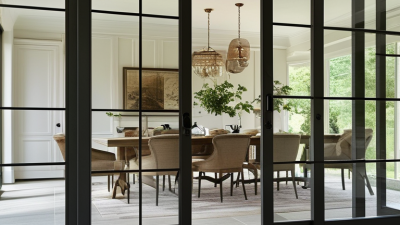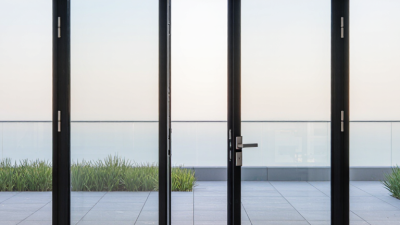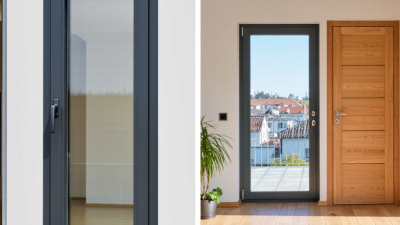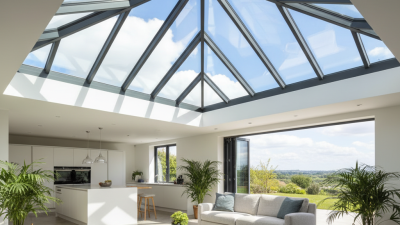
Glazed doors bring daylight into rooms that might otherwise feel enclosed. They can connect a kitchen to a garden, brighten a hallway, or give a small office a more open feel. Light matters. Yet the right choice depends on how the space is used, not just how it looks.
Architect Le Corbusier wrote, “Architecture is the learned game, correct and magnificent, of forms assembled in the light.” His words, published in Towards a New Architecture, capture why glass has such a strong place in building design. Glazed doors make that light part of everyday movement between rooms. A clear panel can preserve sightlines, while textured or frosted glass offers more privacy. Frames, seals, and hardware matter too. Small details count.
There are trade-offs. A south-facing glazed door may bring welcome winter sun, but could also cause glare or overheating in warmer months. Glass can show fingerprints, and some rooms need better privacy than a fully transparent panel provides. Consider the door’s location, safety glazing requirements, cleaning needs, and thermal performance before choosing a style. These details vary by property and product, so check specifications with a qualified supplier or installer. A careful choice can make a home or business feel brighter and more welcoming. It may not suit every room. That is worth considering.
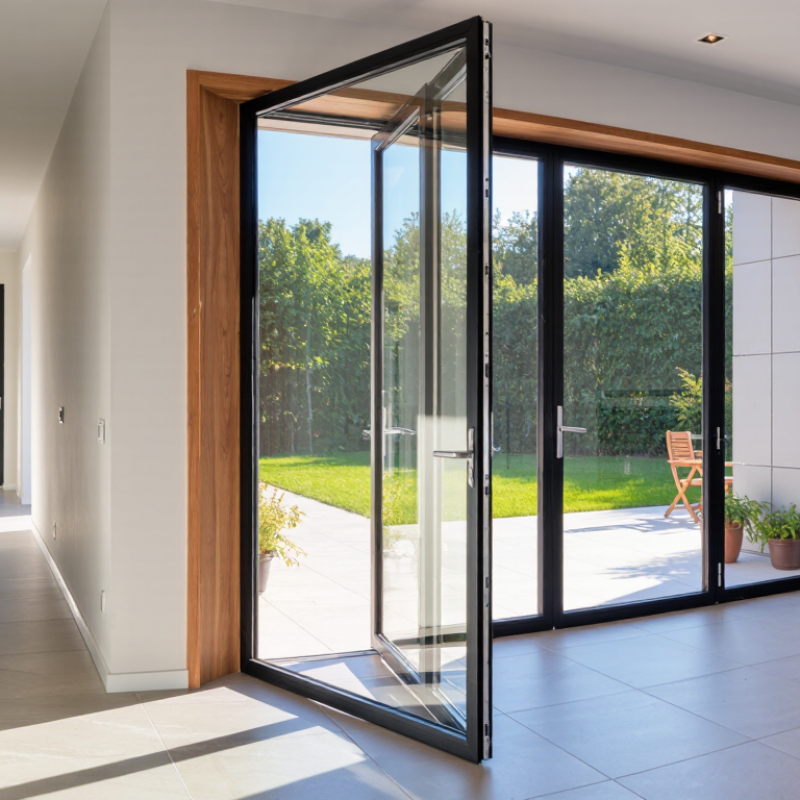
A glazed door is a door with one or more glass panels set within a frame. The frame may be timber, metal, or a composite material. Glass can fill most of the door or appear in smaller sections. It is held in place by seals and glazing beads, which help limit drafts and rattling. Some doors use insulated glass: two panes separated by a sealed gap. This can reduce heat transfer, though results depend on the glass, frame, installation, and surrounding walls.
The door opens on hinges or moves along a track, depending on its design. Hinged models need clear swing space; sliding models need room beside the opening. Simple, but details matter. A properly fitted seal can reduce air leaks, while worn seals may let in a chilly draft. Glass choice also affects privacy, light, and safety. Clear glass brightens a hallway, but can expose a busy office or living room. Frosted or textured glass softens views while still passing daylight. For doors in areas prone to impact, suitable safety glazing is important; check the product specification and local building requirements. I have seen people focus on the glass appearance and overlook the handle height or threshold. Those small details shape daily use, especially when carrying bags or guiding a stroller through the doorway.
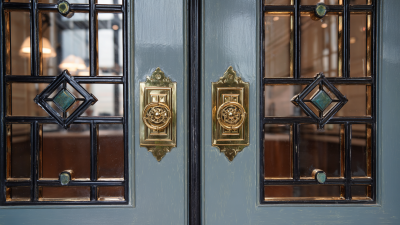
Glazed doors come in several forms, and the opening style changes how a room works. Hinged doors suit familiar layouts, from a single kitchen door to paired French doors opening onto a patio. Their clear panels bring daylight inside, while divided panes can soften the view. Allow enough swing space. A chair or cabinet can make a hinged door awkward.
Sliding glazed doors move along a track, so they work well beside balconies or narrow walkways. They do not need a clear swing area, but the track needs regular cleaning to prevent grit from affecting movement. Bifold doors fold into sections and can create a wide opening between a living room and garden. They need room for folded panels. Pivot doors offer a striking, often larger entrance, though their weight and hardware deserve careful planning.
For a business, glazed entrance doors can help reception areas feel brighter and easier to navigate. The right choice depends on traffic, privacy, weather exposure, and cleaning needs. Consider frosted or patterned glass where people need discretion, and ask an experienced installer about suitable safety glazing and hardware. Glass can make a space feel open, but it may also reveal clutter or fingerprints more readily than a solid door. That trade-off is easy to overlook.
Glazed doors bring daylight into homes and businesses. Clear glass generally allows more visible light through, while tinted glass reduces light and can provide added privacy. These ranges are indicative; actual performance varies by product, glass thickness, coatings, and construction.
Glazed doors bring daylight into rooms and make entrances feel less closed off. It feels open. At home, a glazed patio door can brighten a kitchen and provide a clear view of the garden. In a business, a glazed entrance helps visitors see reception and staff notice arrivals. The U.S. Energy Information Administration’s 2018 Commercial Buildings Energy Consumption Survey attributed about 17% of commercial building energy use to lighting. Daylight may help reduce electric-lighting demand, though actual savings depend on room layout, glazing, and how people use the space.
Glazing also affects comfort and energy performance. The U.S. Department of Energy’s Energy Saver guidance estimates that windows account for 25–30% of residential heating and cooling energy use. That figure is for windows, not glazed doors, but it shows why glass specification matters. Double glazing, low-emissivity coatings, and well-sealed frames can limit unwanted heat transfer. In practice, the frame and installation deserve as much attention as the glass. A poorly fitted door can still create drafts.
There are trade-offs. Large glass panels can increase glare, reduce privacy, and admit summer heat, especially on sunny elevations. Not automatically. Blinds, carefully chosen glass, and thoughtful positioning can help, but each site is different. For a shopfront, visibility may be useful; for a bedroom, it may feel exposing. I would not treat glazed doors as an automatic energy upgrade. Their benefits depend on design, climate, and everyday use.
| Benefit or Consideration | How It Helps | Home Applications | Business Applications |
|---|---|---|---|
| Natural daylight | Glazed panels allow daylight to pass through, which can make interior spaces feel brighter. The amount of light depends on the glass area, orientation, shading, and surrounding buildings. | Useful for entrances, patios, and rooms that benefit from a visual connection to the outdoors. | Can brighten reception areas, meeting rooms, and customer-facing spaces. |
| Visibility and connection | Transparent glass provides sightlines between spaces or toward the outdoors, helping occupants see activity on the other side of the door. | Can help caregivers keep sight of adjacent areas and make indoor spaces feel more open. | Can support visibility between shared areas, corridors, and storefront interiors. |
| Thermal performance | Insulating glass units and suitable frames can reduce heat transfer compared with some basic single-glazed doors. Actual performance varies by the complete door assembly and installation. | Energy-rated glazed doors can help limit unwanted heat loss or gain when selected for the local climate. | Appropriately specified doors can contribute to a building’s overall energy-efficiency goals. |
| Acoustic separation | Glazing can reduce sound transmission when the glass, seals, frame, and installation are designed for that purpose. It does not make a space soundproof. | May help moderate noise between indoor rooms or from outside, depending on the door specification. | Can provide visual openness while helping separate offices or meeting areas acoustically. |
| Design flexibility | Glazed doors are available with different glass types, frame materials, finishes, and levels of transparency. | Can suit a range of entrance styles, from clear patio doors to privacy-focused internal doors. | Can complement a range of commercial layouts, including offices, hospitality spaces, and retail entrances. |
| Privacy and glare | Clear glass offers visibility but may provide limited privacy. Frosted, patterned, or tinted glass can change privacy and light transmission; glare control may require additional measures. | Consider privacy glass, blinds, or curtains for bathrooms, bedrooms, and street-facing areas. | Consider suitable glazing or screening for consultation rooms, offices, and sun-exposed entrances. |
| Safety and security | Glass doors should use glazing and hardware appropriate to their location and intended use. Safety-glazing requirements vary by jurisdiction and application. | Check local requirements, door placement, locking hardware, and the suitability of the glazing for the household. | Specify doors to meet applicable building, accessibility, fire, and security requirements. |
| Cleaning and maintenance | Glass surfaces can show fingerprints, water marks, or dust. Frames, seals, hinges, and tracks also need routine inspection and care. | Cleaning frequency depends on exposure, household use, and the door’s location. | High-traffic doors may need more frequent cleaning and hardware checks. |
| Overall suitability | The best choice depends on the opening, climate, privacy needs, traffic, accessibility, and applicable building codes. | Compare glazing, frame, operation, and maintenance needs before choosing a door. | Consider expected traffic, safety requirements, operating hours, and maintenance planning. |
| Note: Glazed-door performance depends on the complete door system, including the glass, frame, seals, hardware, and installation. Verify product specifications and local code requirements for the intended application. | |||
Materials, Safety, and Energy-Efficiency Considerations
Glazed doors bring daylight into a hallway, shopfront, or kitchen while keeping spaces visually connected. The right material depends on exposure and use. Tempered glass breaks into smaller pieces, while laminated glass holds together when cracked. Frames also matter: insulated, well-sealed frames can reduce drafts around the edges. A beautiful door can still feel cold if its frame is poorly fitted.
Energy performance deserves a closer look. The U.S. Department of Energy’s Energy Saver guidance estimates that windows account for 25–30% of household heating and cooling energy use. That figure concerns windows, not glazed doors specifically, but it shows why glass area and insulation deserve attention. Compare U-factor and solar heat gain coefficient ratings, and check how the door faces the sun. For safety, choose glazing suited to the location and consult applicable CPSC 16 CFR Part 1201 or ANSI Z97.1 requirements. More glass is not always better.
Tips: Ask for documented performance ratings, inspect seals, and consider laminated glazing near busy walkways. Stand beside a sample on a sunny day; glare can surprise you. I’d also weigh cleaning and repair needs, which are easy to overlook.
Choosing a glazed door starts with how the space is used, not just the view it creates. For a busy entrance, check the complete doorset’s durability, locking points, and resistance to everyday impacts. A patio door may need a wide opening, while an office partition often benefits from clear sightlines and quieter operation. Measure twice. Check the opening direction, floor level, and space for furniture before comparing styles.
Glass choice shapes comfort and privacy. Clear glazing brings daylight into a dim hallway, but it may expose a home office to passers-by. Frosted or patterned glass softens views while still sharing light. In sunny rooms, suitable coatings can help limit heat and glare; performance depends on orientation and local climate. Ask a qualified installer which safety glazing suits the door’s location and use.
Frame materials affect maintenance, appearance, and insulation. Compare how timber, aluminium, and composite frames handle weather, cleaning, and the look of nearby windows. Also inspect seals, drainage details, threshold height, and the manufacturer’s stated thermal and acoustic performance. Looks matter. No option is perfect: a low threshold may ease access but needs careful water management. Request a site measurement and a written specification, then check that the glass, frame, hardware, and installation are assessed as one system.
Leave your projects details, and one of our team will reach out to answer any questions you may have