Top 5 Tips for Choosing the Best Roof Windows in Your Home?
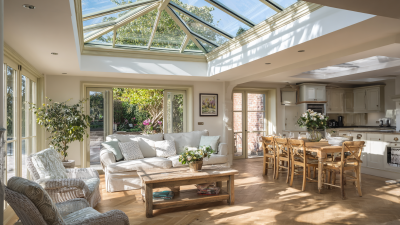
When considering improvements to your home, roof windows can offer dramatic benefits. Expert architect Jane Smith emphasizes, "The right roof windows can transform a space." They allow natural light to flood in and create a feeling of openness. However, achieving this requires careful selection. Not all roof windows are created equal, and the wrong choices can lead to energy loss or difficult installations.
Choosing roof windows involves understanding various factors. Size and placement are crucial for optimizing light. Durability matters too; you want windows that withstand weather conditions. The materials used greatly influence maintenance and longevity. Therefore, consulting experts and researching options is essential.
Many homeowners overlook the importance of good ventilation with roof windows. Proper airflow enhances comfort, yet it’s often neglected. Taking time to assess needs and preferences makes a difference. Be mindful of how each choice aligns with your lifestyle and home's aesthetics. Making informed decisions may prevent future regrets and enhance your living space.
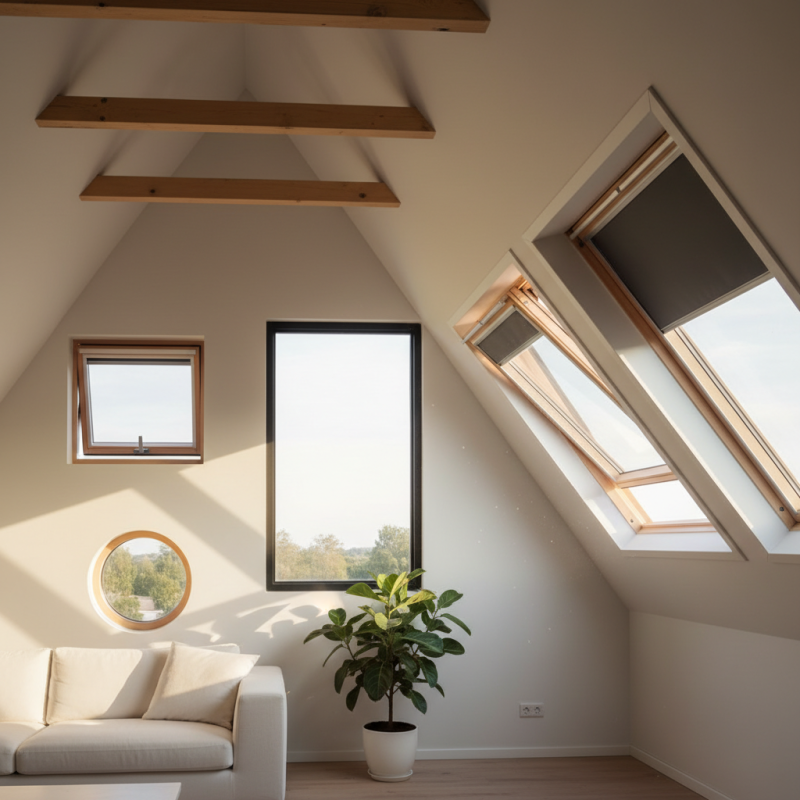
Choosing the Right Roof Window Size for Optimal Light and Space
Choosing the right size for your roof windows is crucial. It affects both natural light and the perception of space. When selecting, think about the room’s dimensions and the roof pitch. Larger windows can flood a space with light but may require structural adjustments.
Tip 1: Measure twice. It’s easy to misjudge how much light a window can bring. A window too small may leave your room feeling cramped. A window too large can dominate the ceiling space unnaturally.
Tip 2: Consider your view. The size of the window can affect what you see outside. Choose a size that frames your best views while letting in ample light.
Finally, reflect on how you use each room. A window meant for a cozy reading nook should be different than one in a bustling kitchen. Think about height and placement. The right decisions will enhance your home’s ambiance and functionality.
Top 5 Tips for Choosing the Best Roof Windows in Your Home
| Tip Number |
Tip |
Explanation |
Recommended Size |
| 1 |
Consider Orientation |
Choose windows based on the sun's path to maximize natural light. |
750mm x 550mm |
| 2 |
Evaluate Roof Pitch |
Select sizes that suit the pitch of your roof for correct installation. |
800mm x 600mm |
| 3 |
Check Building Regulations |
Make sure your chosen size complies with local building codes. |
900mm x 700mm |
| 4 |
Prioritize Energy Efficiency |
Utilize double or triple glazing to improve insulation. |
1000mm x 800mm |
| 5 |
Assess Natural Ventilation Needs |
Choose sizes that allow for effective airflow and fresh air intake. |
1200mm x 900mm |
Understanding the Different Types of Roof Windows and Their Benefits
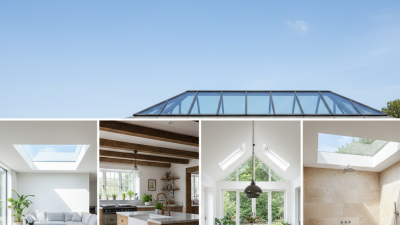
When selecting roof windows, understanding the types and their benefits is crucial. There are several styles available:
rooflights,
skylights, and
dormer windows. Each serves different functions in your home.
Rooflights provide more sunlight, making a space feel airy.
Skylights can enhance the aesthetics while adding ventilation options.
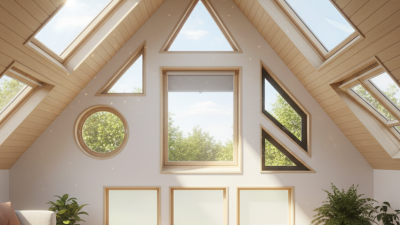
Dormer windows add character and create usable space, often transforming an attic into a cozy room.
The material is another important factor. Common choices include
wood,
PVC, and
aluminum.
Wood offers great insulation but may require more maintenance. PVC is low-maintenance and resistant to moisture.
Aluminum is sleek and durable but typically less insulating. Think about your climate. If you experience heavy rain or snow, proper sealing and insulation are essential.
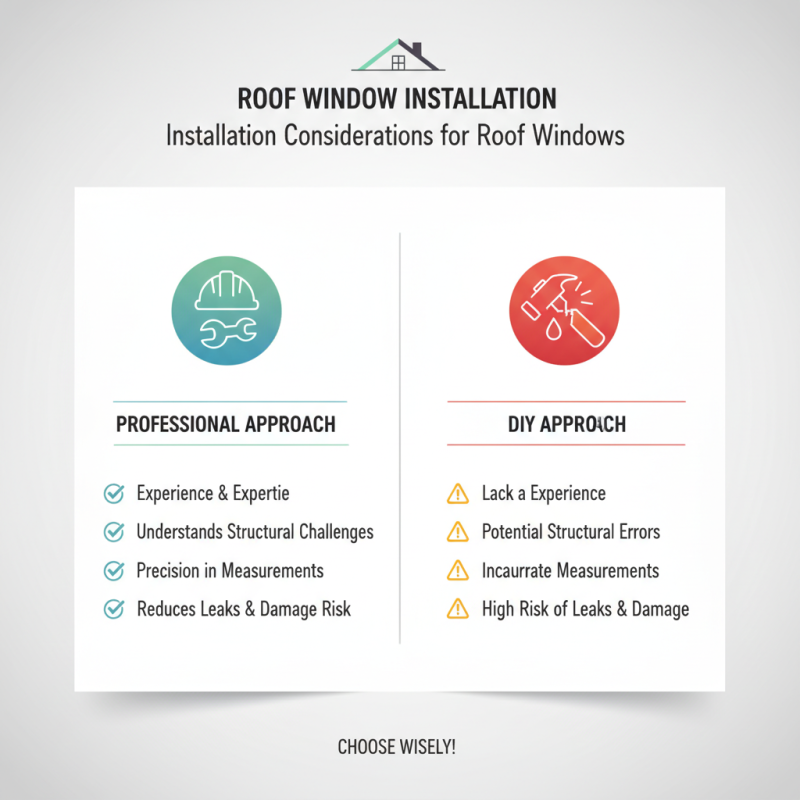
Installation is a critical aspect too. You might be tempted to do it yourself, but consider hiring a professional for the best results. Poor installation can lead to leaks and energy loss.
Yes, DIY can save money, but it can also cause future headaches.
Reflect on your long-term home goals. What works now might not suit your needs in the future.
Evaluating Energy Efficiency Ratings in Roof Windows: A Comprehensive Guide
When choosing roof windows, energy efficiency is paramount. According to the U.S. Department of Energy, windows contribute to approximately 30% of a home's heating and cooling energy loss. Evaluating this metric can save substantial costs over time. Look for windows with low U-factor ratings. This indicates better thermal performance. For optimal efficiency, a U-factor below 0.25 is ideal.
Furthermore, the Solar Heat Gain Coefficient (SHGC) measures how much solar radiation enters through the window. A lower SHGC is beneficial in hotter climates, where reducing heat gain is crucial. Many experts suggest compatible values based on local climate. For temperate regions, an SHGC between 0.25 and 0.35 strikes a balance between efficiency and natural light.
It's essential to avoid making choices solely based on aesthetics. Energy-efficient roof windows can come in various designs. The options might seem overwhelming, and industry reports indicate that many homeowners regret not prioritizing efficiency. Choosing without proper knowledge can lead to increased utility bills and discomfort. Prioritizing energy ratings ensures a practical investment.
Assessing Long-Term Maintenance Needs for Roof Windows in Your Home
When considering roof windows, long-term maintenance is crucial for longevity and performance. Research shows that regular inspections can extend a window's lifespan by 25%. Many homeowners overlook this aspect. They often install roof windows and forget about them. This can lead to problems like leaks or energy loss. The average cost of roof repairs can be around $300, but ignoring maintenance can escalate costs significantly.
Choose materials that require minimal upkeep. Vinyl and aluminum options often need less maintenance compared to wood. According to industry data, wooden windows may need repainting every 5 years. This not only takes time but also money. It's essential to be realistic about your maintenance capabilities. Can you commit to regular inspections? If not, it might be wise to select low-maintenance options.
Additionally, consider weather conditions in your area. Harsh climates can increase wear and tear. Regularly check for signs of wear, such as fogging or condensation. Keeping a maintenance schedule can help you catch issues early. Remember, proactive care reduces the risk of major problems later.