2025 Top Roof Lanterns Ideas to Brighten Your Home Space
The trend of integrating roof lanterns into residential designs is on the rise, as more homeowners seek innovative ways to enhance their living spaces. Roof lanterns, often called skylights or roof lights, are an effective architectural feature that not only illuminates interiors but also adds an artistic touch to the home. According to a report by the International Skylight Association, the global market for roof lights is projected to grow significantly, driven by increasing consumer demand for natural lighting solutions and energy-efficient designs. The benefits of roof lanterns extend beyond aesthetics; they can also improve energy efficiency by harnessing daylight, thus reducing reliance on artificial lighting.
Recent studies indicate that homes adorned with roof lanterns can experience up to a 50% reduction in electricity bills due to daylight optimization. Moreover, incorporating roof lanterns into home design enhances the perceived value of a property, making it more attractive to potential buyers. As we look ahead to 2025, innovative designs and materials are emerging, providing homeowners with a myriad of options to personalize their spaces. This article aims to showcase the top roof lantern ideas that will brighten your home, offering inspiration for both modern and traditional architecture. Embracing these trends not only transforms the aesthetic appeal of your living environment but also contributes to a more sustainable and energy-efficient future.
Innovative Roof Lantern Designs for Modern Homes in 2025
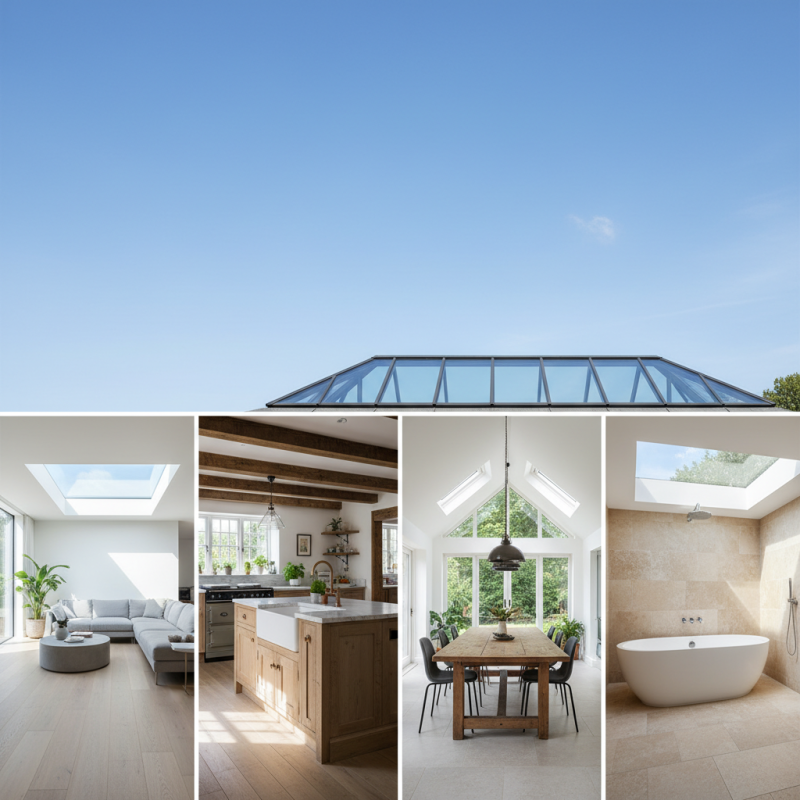
Innovative roof lantern designs have transformed the way modern homes utilize natural light, creating inviting and energized spaces. In 2025, homeowners are opting for sleek and minimalist styles that complement contemporary architecture while allowing sunlight to flood interiors. This year’s designs focus on materials like durable glass paired with modern framing options, which minimizes the visual clutter and enhances the overall aesthetic appeal. Unique geometric shapes and asymmetrical designs are also gaining popularity, providing a striking focal point that enhances both the interior and exterior of homes.
Tip: When selecting roof lanterns, consider the orientation of your home. South-facing lanterns maximize sunlight intake throughout the day, while north-facing options can create softer, diffused lighting. This can significantly influence the ambiance of your living space.
Another key trend in roof lantern design is the integration of smart technology, allowing homeowners to control the opening and closing of the lanterns remotely. This feature not only aids in temperature regulation but also gives homeowners the ability to create the perfect atmosphere at any time. Additionally, choosing energy-efficient glazing options can help maintain indoor comfort while reducing heating and cooling costs.
Tip: Pair your roof lantern with plants and light-reflecting surfaces in the room to enhance the natural light effect and create a serene environment. These elements work in harmony to brighten up the space even further.
2025 Top Roof Lanterns Ideas to Brighten Your Home Space
| Design Style |
Material |
Dimensions (L x W x H) |
Glass Type |
Energy Efficiency Rating |
Estimated Price ($) |
| Contemporary |
Aluminum |
1.0m x 1.5m x 0.3m |
Low-E Glass |
A+ |
300 |
| Victorian |
Wood |
1.2m x 1.2m x 0.4m |
Tempered Glass |
A |
450 |
| Minimalist |
Steel |
1.0m x 1.0m x 0.3m |
Double Glazing |
A++ |
350 |
| Industrial |
Metal |
1.5m x 1.5m x 0.5m |
Low-iron Glass |
A |
500 |
| Classic |
Vinyl |
1.0m x 1.4m x 0.3m |
Triple Glazing |
A++ |
400 |
Benefits of Installing Roof Lanterns to Enhance Natural Light
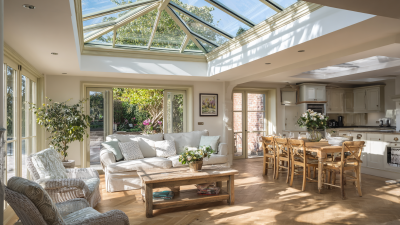
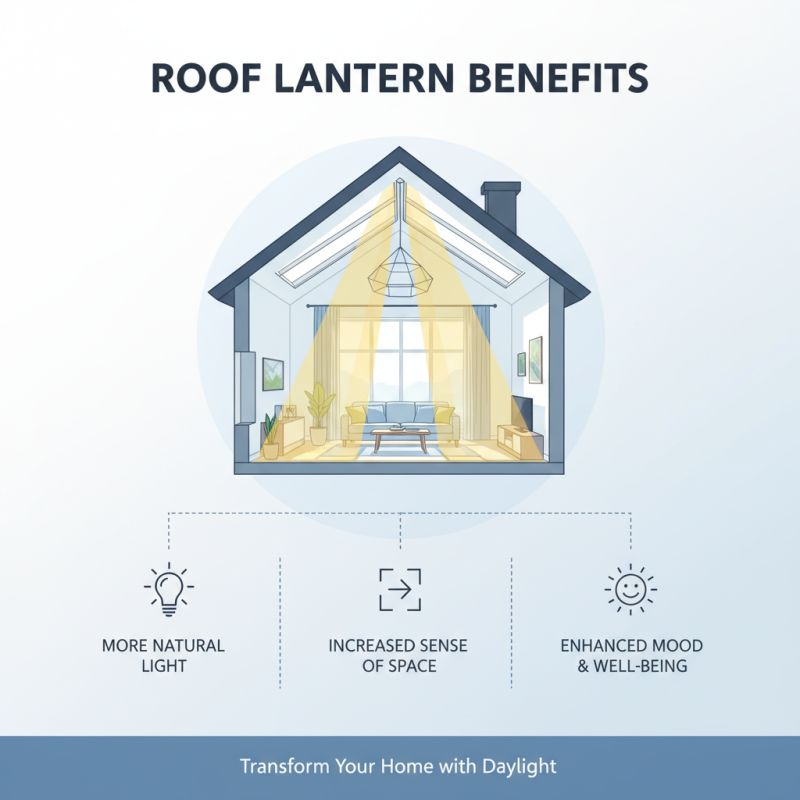
Installing roof lanterns in your home can significantly enhance the natural light that floods your living spaces. These elegant structures not only provide ample daylight but also create a sense of openness, making rooms feel larger and more inviting. Roof lanterns are designed to capture sunlight from various angles throughout the day, ensuring that your interiors are brightened by the warm glow of natural light, which can enhance your mood and improve overall well-being.
In addition to their aesthetic appeal, roof lanterns offer practical benefits. They help reduce dependence on artificial lighting during the day, resulting in lower energy bills. Furthermore, increased daylight can also diminish the risk of mold and mildew by improving ventilation and reducing humidity levels. By integrating roof lanterns into spaces such as kitchens, dining areas, or living rooms, homeowners can enjoy a delightful blend of functionality and style while fostering a healthier indoor environment.
Choosing the Right Roof Lantern Material for Durability and Style
When selecting the right roof lantern material for your home, it's crucial to consider both durability and style. According to a recent report by the National Association of Home Builders, approximately 80% of homebuyers prioritize natural light in their spaces. As roof lanterns significantly enhance natural lighting, the material you choose can impact not only aesthetic but also longevity. Popular materials include PVC, wood, and aluminum, each offering distinct advantages. PVC, for example, is known for its weather-resistant properties, making it a favorable option in areas with extreme weather conditions.
On the other hand, wood lanterns provide a classic charm and can be treated for added durability, appealing to homeowners who wish to maintain a traditional look while ensuring structural integrity. A survey from the American Institute of Architects noted that homes featuring aluminum lanterns often attract buyers due to their sleek, modern design and low maintenance requirements. Furthermore, the use of double-glazed glass in roof lanterns can improve energy efficiency by minimizing heat loss, further enhancing their appeal in eco-conscious markets. By selecting the right material, homeowners can create a beautiful, functional space that stands the test of time.
2025 Roof Lantern Material Durability and Style Comparison
Tips for Proper Installation and Maintenance of Roof Lanterns
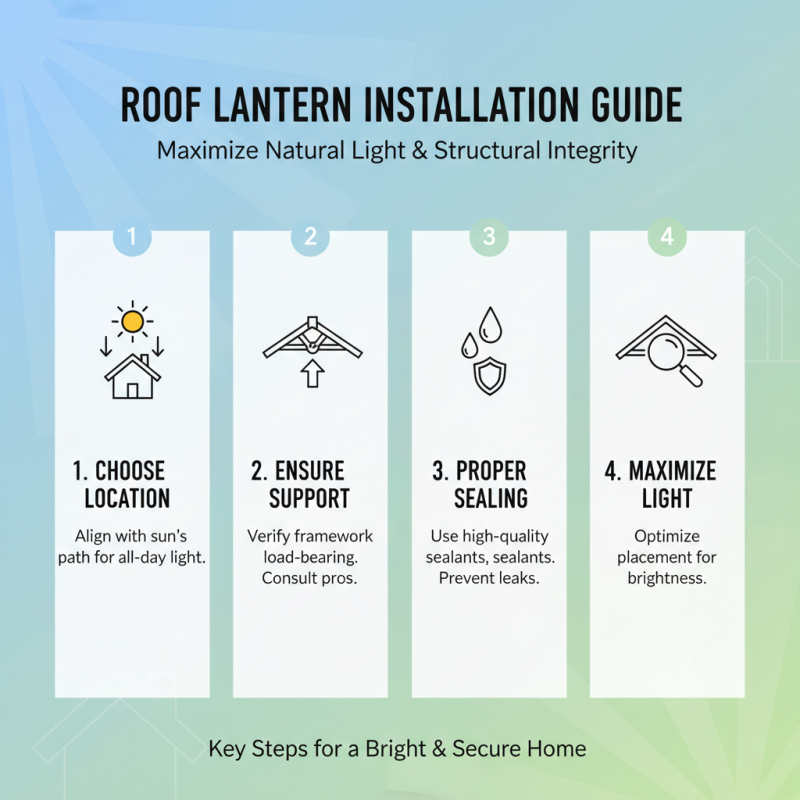
When installing roof lanterns, ensuring proper placement and securing techniques is essential for maximizing natural light while maintaining structural integrity. Begin by choosing the right location that aligns with your home's orientation and the surrounding environment, so that sunlight can penetrate effectively throughout the day. Ensure that the structural framework can support the lantern's weight, and consult with professionals if necessary to evaluate load-bearing capabilities. Proper sealing is crucial to prevent water leakage; use high-quality sealants around the edges to protect against weather elements.
Maintenance of roof lanterns is key to preserving their functionality and appearance. Regular cleaning is necessary to avoid dust and grime buildup, which can dim light transmission. Use non-abrasive cleaners and soft cloths to avoid scratching the glass surface. Additionally, inspect the seals and frames periodically for signs of wear or damage. If you notice any deterioration, address it promptly to prevent further issues. By following these installation and maintenance tips, you can ensure your roof lanterns not only enhance the aesthetic of your space but also remain functional and safe for years to come.
Trends in Roof Lanterns: Style and Functionality for 2025
The trend of roof lanterns is evolving in 2025, focusing on a blend of style and functionality that enhances both aesthetics and practicality in home design. Modern roof lanterns are no longer just a source of natural light; they are becoming striking architectural features that elevate living spaces. With an emphasis on sleek lines and minimalist designs, homeowners are opting for lanterns that seamlessly integrate with contemporary interiors while maximizing daylight input. In this way, roof lanterns serve as a functional art piece, transforming areas like kitchens, living rooms, or even hallways into bright, inviting spaces.
In addition to their visual appeal, the functionality of roof lanterns has also advanced, incorporating energy-efficient features and smart technology. Many designs now come equipped with thermal glass to optimize insulation, reducing energy costs while maintaining a comfortable indoor climate. Furthermore, programmable lighting options allow homeowners to customize brightness and ambiance according to the time of day or specific occasions.
This intersection of style and innovation in roof lanterns not only brightens homes but also reflects a growing trend towards sustainable living and smart home integration, making them a vital addition to modern architecture in 2025.