Top Quality Windows Buying Tips for Global Suppliers?
When it comes to purchasing quality windows, informed decisions are crucial. Choosing the right supplier can make a significant difference in the outcome. North American and European markets are often viewed as benchmarks for quality. However, not all suppliers meet these high standards.
Exploring global options offers diverse choices. Understanding local materials and manufacturing practices is vital. Some suppliers may promise lower prices but compromise on quality windows. It’s essential to assess their certifications and quality control measures. You want to ensure they adhere to industry best practices.
Investing in quality windows is not just about aesthetics. It impacts energy efficiency and long-term durability. Take the time to research and compare suppliers. Ask questions. Reflect on the value of each option. Remember, the right choice leads to a secure, comfortable environment.
Essential Characteristics to Look for in Quality Windows
When purchasing quality windows, focus on critical attributes that ensure durability and performance. Look for windows with high energy efficiency ratings. According to the U.S. Department of Energy, energy-efficient windows can reduce energy bills by up to 15%. This statistic emphasizes the importance of choosing the right window materials and insulation.
Additionally, consider the frame materials. Vinyl and fiberglass are popular for their strength and resistance to moisture. They require less maintenance than wood. Experts recommend choosing windows that meet industry standards, such as those set by the National Fenestration Rating Council (NFRC). Compliance with these standards signifies a higher reliability level.
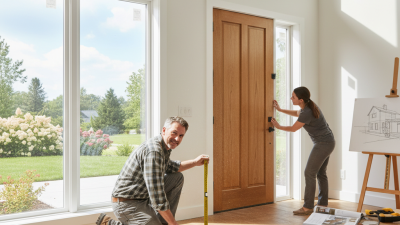
Installation is equally important. Poor installation can compromise windows' effectiveness. Research shows that over 50% of window failures result from inadequate installation practices. Hiring certified professionals ensures proper fitting and sealing. Thus, investing time in installation quality is critical for achieving optimal window performance. As you navigate your window selection, keep these essential characteristics in mind.
Top Quality Windows Buying Tips for Global Suppliers
| Characteristic |
Importance |
Notes |
| Energy Efficiency |
High |
Look for Energy Star ratings and U-factor. |
| Durability |
High |
Consider materials like vinyl, fiberglass, or wood composites. |
| Warranty |
Medium |
Check for comprehensive warranty coverage. |
| Security Features |
High |
Look for reinforced frames and multi-point locking systems. |
| Aesthetic Options |
Medium |
Select from various styles, colors, and finishes. |
| UV Protection |
Medium |
Consider windows that can block harmful UV rays. |
Understanding Different Window Materials and Their Benefits
When considering window materials, it's essential to understand their unique benefits. Vinyl windows are known for their durability and low maintenance. They resist moisture, which makes them ideal for various climates. However, some users report issues with fading over time, leading to concerns about aesthetics.
Wood windows offer a classic charm and excellent insulation. They can improve a home’s energy efficiency. Yet, wooden frames require regular maintenance to prevent rot and warping. The trade-off between beauty and upkeep is something to think about.
Aluminum windows are lightweight and strong, making them suitable for larger openings. They provide a sleek, modern appearance. On the downside, they are less insulated compared to other materials. This can lead to higher energy costs in extreme weather conditions. Balancing aesthetics, durability, and energy efficiency is critical when selecting the best window material for your project.
Top Quality Windows Material Comparison
Evaluating Energy Efficiency Ratings for Windows
When buying windows, energy efficiency is a key consideration. Windows are responsible for up to 30% of a home’s heating and cooling needs. This means that inefficient windows can lead to significant energy waste and higher utility bills. Evaluating energy efficiency ratings helps you make informed decisions. The National Fenestration Rating Council (NFRC) provides valuable ratings that assess the energy performance of windows.
Look for the U-factor, which measures heat transfer. A lower U-factor indicates better insulating properties. For example, a window with a U-factor of 0.30 is more energy-efficient than one with a U-factor of 0.50. Additionally, pay attention to the Solar Heat Gain Coefficient (SHGC). This rating shows how much solar radiation can pass through a window. A SHGC of 0.30 is suitable for warmer climates, while a rating close to 0.25 fits cooler areas better.
It's important to reflect on your local climate when selecting windows. What works in one region might not work in another. Reports suggest that many homeowners overlook these details. Proper research can prevent regret later. Gathering multiple ratings and understanding their implications will enhance the quality of your purchase. You deserve windows that not only improve comfort but also lower energy costs over time.
Comparison of Global Suppliers and Local Manufacturers
When considering window suppliers, it's crucial to weigh the differences between global suppliers and local manufacturers. Global suppliers often offer a wider variety of products. They may have access to cutting-edge technology and innovative designs. This can provide options that local manufacturers might not be able to offer. However, this variety can also lead to confusion for buyers. With so many choices, it's easy to feel overwhelmed.
Local manufacturers, on the other hand, often provide personalized services. They may offer customized solutions tailored to the unique needs of their clients. Communication is often easier, as there might be fewer language barriers. Additionally, local suppliers can respond more quickly to changes or issues that arise. However, their product range might be limited. This can be a drawback for buyers seeking specific features or styles.
Price is another important factor. Global suppliers might offer competitive pricing due to their scale. However, hidden costs can arise in shipping and tariffs. Local manufacturers often have transparent pricing structures but may charge more for bespoke solutions. Quality assurance varies widely in both categories. It's essential to research and ask for samples to evaluate the quality of products from both types of suppliers. Balancing these factors requires careful thought and may lead to unforeseen challenges.
Tips for Assessing Supplier Reliability and Service Quality
Finding quality windows requires careful evaluation of suppliers. Reliability and service quality play crucial roles in this process. It’s essential to assess potential suppliers thoroughly.
Start by researching their reputation in the market. Look for reviews from past customers. Check online forums or social media platforms for insights. You can gain valuable information about their responsiveness and willingness to address issues. Consider reaching out to previous clients to discuss their experiences directly.
Another important aspect is the range of services offered. A supplier should provide not just windows but also installation and support. Inquire about warranties and after-sale services. A reliable supplier will be transparent about their procedures and policies. Pay attention to how they handle inquiries. Prompt and informative responses indicate a commitment to customer satisfaction. Establishing clear communication from the beginning can prevent misunderstandings later.
Lastly, be cautious of overly ambitious promises. Some suppliers may guarantee unrealistic timelines or rates. Trust is built over time, so take your time in assessing their capabilities. After all, choosing the right supplier can significantly impact the success of your project.