
Choosing the right carpet for a home with pets requires more than comparing colors and prices. Daily paw traffic, shed fur, muddy footprints, and occasional accidents can quickly expose weak materials. This guide examines the Top 10 Pet Carpet Options Buyers Should Know, with attention to fiber type, pile height, backing, stain resistance, and cleaning needs. It also explains how each choice may perform in real rooms, from a busy hallway to a quiet bedroom.
No carpet is truly pet-proof. That matters.
During product research, buyers should review manufacturer specifications, warranty limits, cleaning instructions, and independent customer feedback. A small sample can reveal more than a polished product photo. Rub it with a damp cloth, press it under a chair leg, and check whether loose fibers catch easily on a pet’s claws. Nylon may offer strong resilience, while polyester can provide useful stain resistance at a lower price. Wool feels comfortable and durable, but it often needs more careful maintenance. The best Pets Carpet depends on the animal’s habits, household traffic, and the owner’s cleaning routine.
Some recommendations may look excellent on paper yet disappoint in homes with long-haired dogs or frequent outdoor access. That is an important limitation. Buyers should consider odor control, vacuum compatibility, moisture protection, and replacement costs before deciding. A practical choice is not always the softest or cheapest option. It is the one that remains manageable after months of real use.
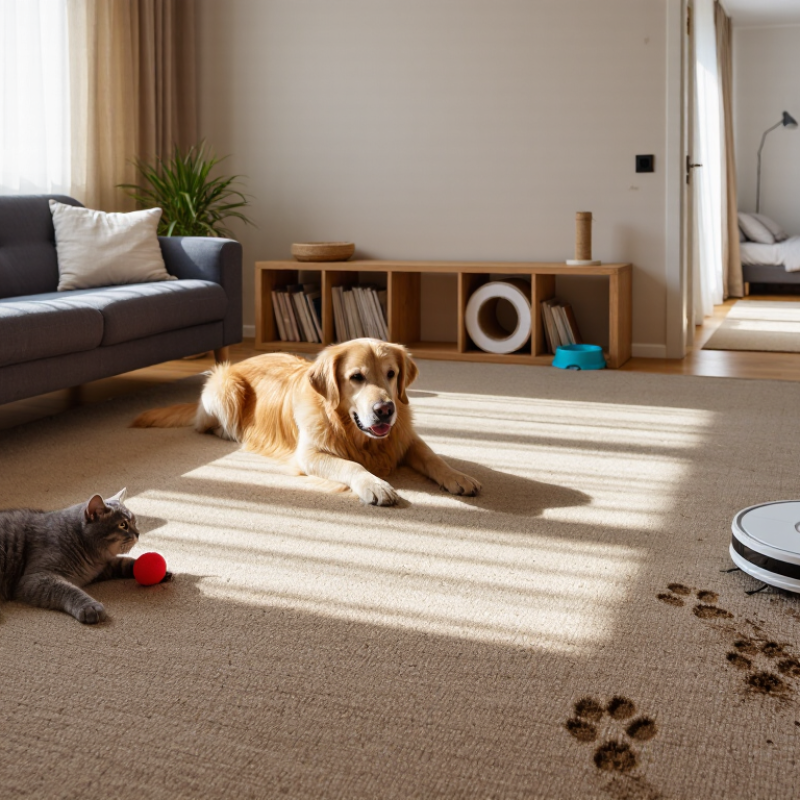
A pet-friendly carpet should handle claws, wet paws, shed hair, and repeated cleaning. In homes I have assessed, low-pile carpets usually perform better than deep, fluffy styles. Hair stays closer to the surface. Vacuuming becomes less frustrating.
Dense fibers also resist snagging. Nylon and tightly woven synthetic fibers are practical choices for active households. Wool can feel luxurious, but it needs more careful maintenance. Look for stain-resistant treatment and a backing that helps limit moisture penetration. Accidents happen quickly. A washable runner near the door can protect the main carpet during rainy walks.
Color and pattern matter more than many buyers expect. Medium tones and subtle patterns can disguise stray hairs between cleanings. Very pale carpets show muddy footprints immediately. Very dark carpets reveal light-colored fur. I once chose a nearly white carpet for a room shared with two dogs. It looked beautiful for one week. That decision was not realistic.
Check the carpet’s cleaning instructions before purchasing. Some surfaces tolerate frequent extraction, while others may shrink, fade, or hold odors. Ask about fiber durability, backing materials, and indoor air certifications from the seller or manufacturer. Reliable specifications are more useful than vague claims such as “pet proof.” A professional installer should also seal edges carefully, especially near feeding areas. Even a suitable carpet can fail when moisture remains trapped underneath.
| Rank | Carpet Option | Typical Fiber or Format | Recommended Pile / Construction | Pet-Friendly Strengths | Main Limitations | Cleaning Guidance | Typical Service Life* |
|---|---|---|---|---|---|---|---|
| 1 | Solution-Dyed Nylon | Nylon with color integrated into the fiber | Low or medium pile; dense loop or cut pile | Excellent resilience, strong abrasion resistance, and good color retention; suitable for active pets and busy hallways. | Usually costs more than basic polyester; loose loops can catch claws. | Vacuum regularly and blot accidents promptly; use a compatible carpet-cleaning solution. | Approximately 10–15 years in a well-maintained home |
| 2 | Solution-Dyed Polyester | Polyester fiber colored during manufacturing | Low cut pile or dense textured pile | Naturally resistant to many water-based stains, offers good colorfastness, and is often more budget-friendly. | Less resilient than nylon; heavy traffic may cause crushing or matting over time. | Clean spills quickly and avoid aggressive scrubbing that can spread stains or distort the pile. | Approximately 5–10 years, depending on traffic and carpet density |
| 3 | Triexta | Triexta synthetic fiber | Dense, low-to-medium cut pile | Soft underfoot, resilient, and generally resistant to many common household stains; comfortable for pets. | Product performance varies by construction; oily stains may require professional treatment. | Blot liquid, remove solids carefully, and follow the manufacturer’s approved cleaning method. | Approximately 8–12 years in residential use |
| 4 | Low-Pile Cut Nylon | Nylon cut-pile carpet | Pile height of about 6–10 mm; dense construction preferred | Easy for vacuum heads to reach, less likely to trap loose fur than deep pile, and offers good walking comfort. | Visible wear can develop in heavily used paths if density and quality are low. | Vacuum slowly in multiple directions and use periodic hot-water extraction when permitted. | Approximately 10–15 years with regular maintenance |
| 5 | Textured Frieze Carpet | Usually nylon, polyester, or triexta with twisted fibers | Medium twisted cut pile, preferably dense | Twisted fibers disguise footprints, vacuum marks, and small amounts of shedding; soft and casual in appearance. | Deeper texture can hold more fur and may take longer to vacuum thoroughly. | Use a vacuum with an adjustable height and brush roll suitable for the carpet construction. | Approximately 7–12 years, depending mainly on fiber and density |
| 6 | Carpet Tiles | Commonly nylon or polypropylene modular squares | Low pile; choose dense, tightly constructed tiles | Individual damaged or stained tiles can be replaced instead of replacing the whole floor; useful near food and entry areas. | Visible seams may show; tile edges can lift if installation or subfloor preparation is poor. | Remove and clean affected tiles according to the product instructions; keep spare tiles available. | Approximately 8–15 years; individual tiles may need earlier replacement |
| 7 | Indoor–Outdoor Polypropylene | Polypropylene, also called olefin | Low loop or flat woven construction | Moisture-resistant, colorfast in many applications, and practical for mudrooms, enclosed porches, and pet-entry zones. | Lower resilience than nylon; can flatten in high-traffic indoor areas and may attract oily soil. | Vacuum grit often and rinse or extract only when the backing and installation allow it to dry fully. | Approximately 5–10 years indoors, depending on traffic and construction |
| 8 | Low-Loop Nylon | Nylon loop-pile carpet | Short, tight loop with secure tufting | Durable, hides minor tracking, and is relatively easy to vacuum when loops are short and dense. | Long or loose loops may snag claws; some pets may be tempted to pull at the loops. | Use suction and settings recommended for loop pile; avoid aggressive rotating brushes if they catch loops. | Approximately 8–15 years, depending on density and pet activity |
| 9 | Wool Cut Pile | Natural wool fiber | Short, dense cut pile; avoid high shag | Naturally resilient, comfortable, and capable of recovering from moderate compression; wool can help regulate indoor humidity. | Higher cost; sensitive to harsh chemicals, excessive moisture, and some pet stains; may shed initially. | Blot immediately and use wool-safe products or a professional cleaner familiar with wool. | Approximately 10–20 years with careful maintenance |
| 10 | Recycled PET Carpet | Polyester made partly or wholly from recycled PET | Low, dense cut pile or tight texture | Can offer stain resistance and recycled content; low-pile versions are easier to keep free of fur. | Resilience varies; lower-density products may show matting in play areas and corridors. | Vacuum frequently, treat stains promptly, and confirm cleaning compatibility with the backing. | Approximately 5–10 years, depending on density, traffic, and maintenance |
*Service-life figures are typical residential estimates, not guarantees. Actual performance depends on fiber quality, face weight, density, installation, traffic, pet behavior, and cleaning frequency.