The best entrance doors do more than make a first impression. They help keep unwanted visitors out, reduce drafts, and hold indoor temperatures steady. Yet a heavy door is not automatically a secure or efficient one. The frame, hinges, lock, glass, weatherstripping, and installation all matter. A narrow gap beneath the door can let in cold air. A loose frame can weaken the whole assembly.
Door-installation educator Gary Katz’s guidance can be paraphrased simply: a door performs only as well as its frame, fit, and installation. That is a useful lens for comparing steel, fiberglass, and wood models. Look for a strong, well-fitted frame, reliable locking hardware, tight perimeter seals, and glazing suited to the home’s needs. Check the manufacturer’s performance information, too; appearance alone tells you little about insulation. Small details count.
This guide explores entrance doors that balance security with energy efficiency, without treating either claim as a guarantee. A well-rated door can still disappoint if it is poorly installed or its seals wear down. That deserves a closer look. The right choice depends on climate, entryway exposure, maintenance preferences, and budget. A quiet hallway, an even temperature near the threshold, and a door that closes firmly are practical signs worth noticing—not proof, but useful clues.
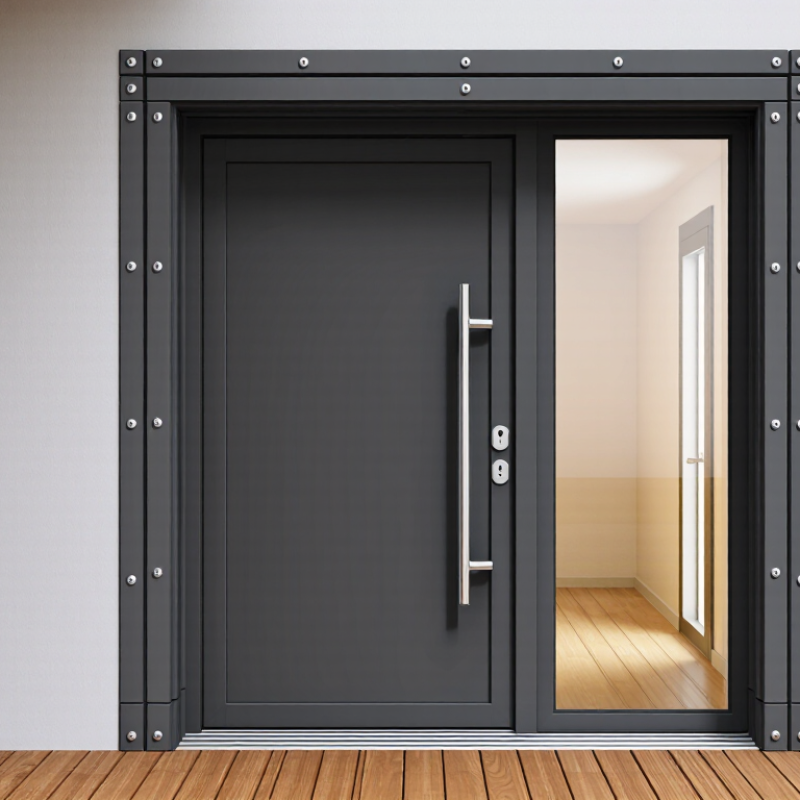
Entrance doors differ in core, frame, and glazing. Each choice changes weight, insulation, and resistance to forced entry. Steel doors often use a foam-filled core and reinforced lock area. They feel rigid, though dents can be difficult to repair. Fiberglass doors commonly contain insulating foam and resist moisture-related swelling. Their molded surfaces can resemble wood grain. Solid-wood doors offer a substantial feel, but need careful sealing and maintenance as conditions change.
Glazing adds daylight but creates another detail to assess: glass area, edge seals, and impact resistance. The U.S. Department of Energy reports that windows account for about 25–30% of residential heating and cooling energy use; that figure is not door-specific, but highlights the cost of poorly performing openings. The National Fenestration Rating Council’s label reports U-factor, where lower values indicate less heat transfer. Check the whole door assembly, not just its core. A tight frame, continuous weatherstripping, and a well-adjusted threshold matter. Small gaps show up as cold air near your ankles. Real installations are imperfect; even a good door can underperform when its frame is out of square.
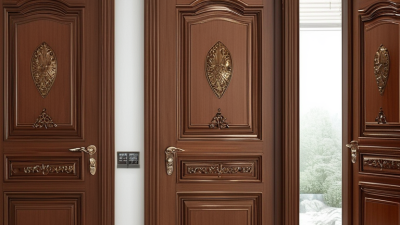
Typical U-factor ranges by entrance door type. Lower U-factor means less heat transfer and generally better insulation.
Insulated steel and fiberglass doors commonly use foam-filled cores; solid wood doors generally provide less insulation, while glazing can affect a door’s overall performance. Security depends on the complete assembly: consider a reinforced frame, a quality deadbolt or multipoint lock, and appropriately rated glazing where applicable. Ranges are indicative, not guarantees—actual values vary by product, glazing, and installation. Check the product’s NFRC label for its rated U-factor.
Sources: U.S. Department of Energy: Doors · National Fenestration Rating Council
An entrance door’s security depends on more than a heavy-looking slab. Steel skins with insulated cores can resist forced entry while limiting heat transfer, though dents may be difficult to repair. Fiberglass resists moisture and temperature changes, and its foam core can provide useful insulation. Solid wood offers strength and a warm appearance, but it can swell or shrink as humidity changes. No material is perfect.
Look closely at the frame. A strong door attached to a weak frame can still flex under pressure. Frames should be sound, square, and anchored securely into the wall structure, not just the trim. Insulated frames and continuous weatherstripping help reduce drafts around the edges. Check the threshold, too: a narrow gap can let cold air and rain inside. Small details matter.
Construction choices affect everyday performance. Reinforced lock areas and sturdy hinges improve resistance to impact, while a well-fitted sill limits air leakage. Ask how the door’s core, frame, and hardware work together, and whether the installation includes sealing around the frame. A careful installer can correct gaps with shims and suitable sealant. Still, installation quality is easy to overlook when comparing brochures. A high-performance door may disappoint if it is poorly fitted.
A secure entrance is a tested assembly, not just a heavy door slab. The FBI’s 2022 Crime in the United States report estimated 847,522 burglary offenses nationwide. That figure does not show which locks or doors stopped entry, but it underscores why weak points matter. Check whether a deadbolt and lockset carry an ANSI/BHMA grade; higher grades indicate more demanding performance requirements, not a guarantee against forced entry.
Tips: Use a deadbolt with a one-inch throw. Secure its strike plate with long screws that reach the wall framing. Reinforce hinge-side screws, too. A small gap at the jamb can matter.
For added assurance, ask for test documentation for the complete door assembly, including frame and hardware—not only the lock. A solid-core or reinforced door can still fail if its frame splits around a short strike-plate screw. Consider a reinforced jamb or a listed security door assembly, installed to the manufacturer’s instructions. Check that the deadbolt extends smoothly and that the door closes without lifting or force. I’ve seen small alignment issues overlooked; they can make a sound lock awkward to use. Keep weatherstripping intact, but do not let a tight seal prevent full latching.
A well-insulated entrance door can still waste energy if cold air slips beneath its sweep or around a loose jamb. Look for a low U-factor: the National Fenestration Rating Council explains that this rating measures heat transfer, and lower values indicate better insulation. Compare ratings for the complete door assembly where available, not just its insulated panel. A tight fit matters.
Weather seals do the quiet work. Check that the door compresses its seals evenly when closed, and inspect the threshold for daylight or a visible gap. The U.S. Department of Energy’s Energy Saver guidance estimates that windows account for about 25–30% of residential heating and cooling energy use. That figure is not door-specific, but it shows how much poorly performing openings can matter. A door’s frame, glass inserts, and installation also affect performance. Even an efficient model can disappoint if foam or caulk is missing around the frame. One caveat: seals wear, and the best specification cannot compensate for a poor installation. Check them each season.
| Door construction | Insulation and thermal performance | Weather-seal considerations | Security considerations | Best suited for |
|---|---|---|---|---|
| Insulated fiberglass | Foam-filled cores and relatively low heat transfer through the door slab can support good energy performance. Check the whole-unit U-factor, including glazing and frame. | Perimeter compression seals and a well-fitted bottom sweep help limit drafts; seals need inspection and replacement if cracked or compressed. | The slab alone does not determine security. A reinforced frame, secure strike plate, suitable deadbolt, and sound installation are important. | Homes seeking a balance of insulation, low routine maintenance, and resistance to moisture-related deterioration. |
| Insulated steel | A foam-filled steel door can provide effective insulation. Metal skins conduct heat, so the complete assembly and any thermal-break design matter. | Continuous jamb seals and an adjustable threshold can reduce air leakage when correctly installed and maintained. | Steel facing can resist everyday impact, but security still depends on the frame, hinges, lock, strike reinforcement, and installation. | Entryways where a durable, insulated door is wanted; protect damaged finishes to help prevent corrosion. |
| Solid wood | Thermal performance varies with wood species, thickness, panel design, and glazing. Wood is less conductive than metal but does not automatically outperform an insulated door. | Effective perimeter seals are essential. Changes in moisture can cause wood to swell or shrink, so fit and seal condition may need attention. | A substantial slab can be robust, but forced-entry resistance also relies on secure hardware, a strong frame, and proper anchoring. | Entrances where natural appearance and repairability are priorities, with willingness to maintain the finish and fit. |
| Thermally broken aluminum | A thermal break separates interior and exterior metal sections to reduce heat flow. Performance depends on the break, glazing, frame, and full-door design. | Use compatible perimeter seals and a properly adjusted threshold; inspect corners and glazing seals for air or water leakage. | Frame strength and hardware attachment are key. Look for a complete, tested assembly where security performance is a priority. | Modern or glazed entrances where a slim frame and corrosion resistance are valued alongside improved thermal separation. |
| Non-thermally broken aluminum | Direct metal paths conduct heat readily, which can increase heat transfer and contribute to interior condensation in cold conditions. | Good seals reduce drafts but do not remove heat conduction through the frame. Check for condensation and maintain seals. | Security depends on the frame, glazing, locks, and installation rather than the material label alone. | Projects where a slim metal profile is the main requirement and thermal performance is less critical. |
How to compare: Lower whole-unit U-factor means less heat transfer. Compare doors with the same test method and configuration, including frame and glazing. A low U-factor does not by itself indicate low air leakage or high security. For security, assess the complete installed assembly—including the door, frame, hinges, lock, strike area, and glazing—and follow local building requirements.
Choosing an entrance door means weighing the slab, frame, glazing, and installation as one system. A steel door with a reinforced core can resist forced entry well, but thin steel may dent. Solid wood feels substantial and can be repaired, though it needs upkeep and may swell in damp conditions. Fiberglass usually resists weather changes and offers useful insulation, but performance varies by construction. Glass panels bring daylight; laminated or multi-pane units can improve strength and thermal performance, yet they do not make a weak frame secure. Details matter. A strong door can still leak around its edges.
Tips: Check the whole assembly, not just the material. Look for a snug frame, hinge screws that reach the framing, a properly fitted deadbolt, and continuous weatherstripping. Ask for documented thermal ratings. Test the latch in person; it should feel firm, not sticky.
For efficiency, insulated cores and well-sealed edges often matter more than choosing wood, steel, or fiberglass alone. For security, a clear view of visitors is useful, but a large glass area may call for stronger glazing and careful lock placement. There is no perfect option. A door facing afternoon sun or driving rain may behave differently from one beneath a covered porch. Compare installed quotes and warranties, and ask whether the installer will adjust the door after seasonal settling. That step is easy to overlook.
Leave your projects details, and one of our team will reach out to answer any questions you may have