
Top Bathtub Drain Replacement Kits for Global Buyers

Choosing the right Bathtub Drain Replacement kit is not a simple matter of matching a shiny finish. Global buyers must compare drain size, thread type, overflow design, gasket material, and installation tools. A kit that fits a standard American tub may fail on a metric fixture in Europe or Asia. Small differences matter. Even a few millimeters can cause leaks beneath the tub.

Richard Trethewey, a respected plumbing expert from This Old House, offers a useful reminder: “Know what you have before you replace what you see.” This principle guides our evaluation of replacement kits. We consider real installation conditions, including corroded drain bodies, stiff locknuts, narrow access spaces, and unclear manufacturer instructions. Stainless steel may resist rust better, while durable brass often provides stronger threads. Plastic components can reduce cost, but their long-term performance deserves closer inspection.

No kit is perfect.

This guide compares leading Bathtub Drain Replacement options for international purchasers. It examines compatibility, material quality, tool requirements, sealing performance, and value. We also recognize an uncomfortable detail: product descriptions are sometimes incomplete, and regional plumbing standards are not always obvious. Buyers should measure the existing drain before ordering. A careful check of the drain diameter, stopper style, and waste shoe can prevent an expensive return. The best choice is not always the cheapest package. It is the kit that fits correctly, installs securely, and remains dependable after repeated use.
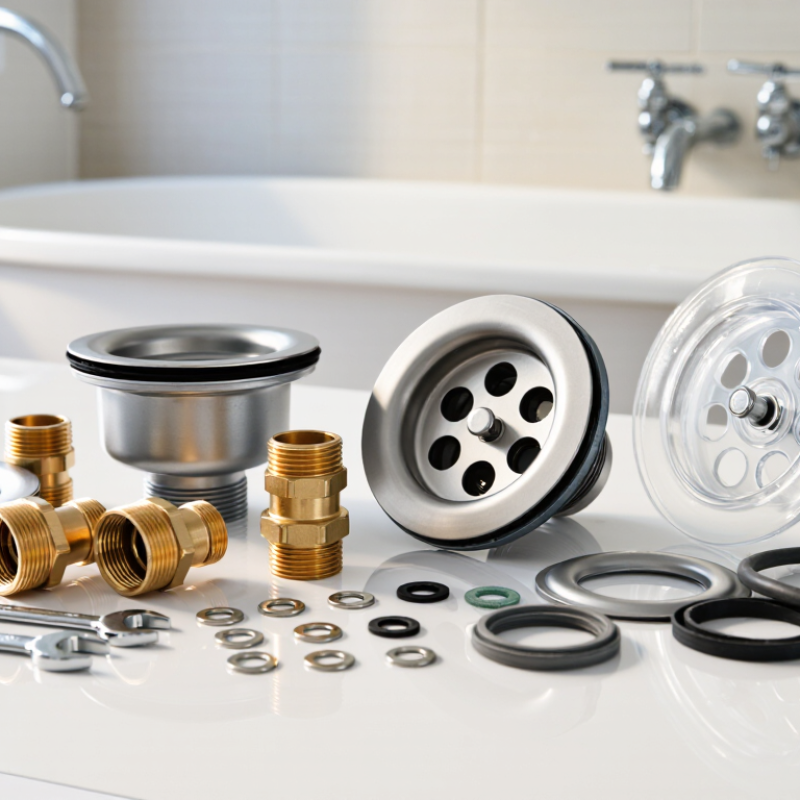
Top Bathtub Drain Replacement Kits for Global Buyers

Bathtub Drain Replacement Kit Types and Their Main Uses

Top Bathtub Drain Replacement Kits for Global Buyers

Bathtub Drain Replacement Kit Types and Their Main Uses

A lift-and-turn drain kit suits tubs with a stopper that locks by twisting. Its simple mechanism works well in guest bathrooms and rental properties. Turn the knob clockwise to close the drain. Lift it to release water. These kits usually include a threaded drain body, stopper, gasket, and removal tool.

Toe-touch kits open with a gentle foot press. They offer a clean appearance and help users avoid bending. This type fits family bathrooms, but the spring mechanism can collect hair and soap residue. Regular cleaning matters.

A trip-lever kit uses the overflow plate to control the stopper. It works well when the drain opening has a connected linkage system. Check the linkage length before ordering.

Some kits include a pop-up stopper or a grid strainer. Pop-up designs support quick water release and easier surface cleaning. Grid strainers are useful for tubs that rarely need water retention.

Stainless steel resists corrosion, while plated metal often costs less. Material choice depends on water quality and cleaning habits.

Measure the drain opening carefully. Common sizes are not universal everywhere. Thread patterns and overflow connections may differ between regions. I once underestimated gasket thickness, and the seal leaked after installation. That small error can damage flooring. A reliable kit should include clear measurements, durable seals, and instructions suited to the installation method. Check the existing pipe before removing anything.

How to Check Drain Compatibility Before Choosing a Kit

Top Bathtub Drain Replacement Kits for Global Buyers

Before choosing a bathtub drain replacement kit, check the existing drain carefully. Measure the drain opening, thread diameter, overflow-hole distance, and waste-pipe connection. A ruler and flashlight reveal more than a product photo. Most residential bathtub drains use familiar sizes, but older homes and regional systems can differ. Thread direction also matters. A matching diameter can still fail when the thread pattern is wrong.

The International Code Council’s plumbing guidance stresses compatible fittings, accessible connections, and proper drainage slopes. These details affect leaks and future maintenance. The U.S. Environmental Protection Agency’s WaterSense program reports that efficient plumbing products have saved billions of gallons of water. However, a drain kit should not be judged by water efficiency alone. Sealing quality, corrosion resistance, and installation access matter more here. I have seen apparently suitable kits fail because the overflow gasket was too thin. One assumption can be expensive.

Tips:
Remove the old stopper and photograph every connection. Compare measurements with the kit’s technical drawing, not only its listed size. Check whether the tub is acrylic, steel, cast iron, or another material. Use the correct gasket thickness and test for leaks before closing the access panel. For uncertain installations, consult a licensed plumber familiar with local plumbing requirements. Product listings can be incomplete, and that is worth admitting.

Essential Components and Features of a Reliable Replacement Kit

A dependable bathtub drain replacement kit begins with complete, compatible components. Look for a drain body, overflow plate, stopper, gasket, linkage, and installation wrench. Stainless steel or corrosion-resistant brass usually withstands humid bathrooms better than thin plated metal. The seal matters most. A poorly sized gasket can cause leaks behind the tub wall.

International buyers should check thread size, tub thickness, outlet direction, and waste-pipe standards before ordering. ASME A112.18.2 and CSA B125.2 cover plumbing waste fittings in North American applications. Other markets may follow EN or local conformity requirements. Certification does not guarantee a perfect fit. Measure the existing opening carefully, preferably with calipers. A simple ruler can mislead.

The U.S. EPA’s 2023 WaterSense annual report states that labeled products have saved more than 7.5 trillion gallons since the program began. A drain kit does not create those savings, but efficient bathroom upgrades still depend on leak-free installation. I prefer kits with replaceable seals, clear diagrams, and adapters for common pipe connections. Tool-free claims deserve caution. Some tubs still need a drain key and adjustable pliers. The Houzz 2024 Bathroom Trends Study also shows continued investment in bathroom renovations, increasing demand for dependable replacement parts. A shiny finish attracts attention. It should not replace verified dimensions, tested seals, or realistic installation instructions.

Top Bathtub Drain Replacement Kits for Global Buyers - Essential Components and Features of a Reliable Replacement Kit
Kit Type Typical Drain Size Main Components Common Materials Compatible Drain System Key Features Installation Method Best Use
Standard Tub Drain Kit 1½-inch nominal drain opening; verify the existing fitting before purchase. Drain flange
Drain shoe or waste fitting
Rubber gasket
Locknut
Brass, stainless steel, ABS, or PVC components depending on the configuration. Common residential bathtubs using a conventional threaded drain assembly. Threaded connection Replaceable gasket Multiple finish options Threaded installation using a drain wrench and suitable plumbing sealant. General replacement of worn, leaking, or corroded tub drains.
Toe-Touch Drain Kit Usually designed for standard 1½-inch bathtub drain openings. Toe-touch stopper
Drain flange
Crossbar or threaded insert
Sealing gasket
Brass or stainless steel body with elastomeric seals. Bathtubs requiring a push-to-open and push-to-close stopper. Foot-operated stopper No lift rod Simple operation Threaded installation; stopper height may require adjustment after fitting. Clean, low-profile bathroom upgrades where easy operation is preferred.
Lift-and-Turn Drain Kit Commonly 1½-inch tub drain size, subject to model and plumbing configuration. Lift-and-turn stopper
Drain flange
Threaded stopper post
Gasket and locknut
Brass, stainless steel, or corrosion-resistant plated metal. Conventional bathtub drains with a manually operated stopper. Mechanical stopper Adjustable post Simple design Install the flange and rotate the stopper post to open or close the drain. Reliable replacement where a straightforward stopper mechanism is required.
Trip-Lever Drain Kit Typically used with standard bathtub waste-and-overflow openings. Drain flange
Trip-lever faceplate
Plunger or linkage assembly
Overflow gasket and screws
Brass or stainless steel trim with rubber or elastomeric sealing parts. Bathtubs with a lever-operated drain stopper connected to the overflow plate. Remote lever control Overflow components Adjustable linkage Requires access to the overflow opening and correct adjustment of the linkage. Replacing a worn lever, plunger, overflow seal, or related bathtub hardware.
Cable-Operated Waste Kit Size varies by the tub waste-and-overflow assembly; confirm connection dimensions. Drain flange
Overflow faceplate
Flexible operating cable
Stopper mechanism
Gaskets and fasteners
Brass or engineered polymer housing with a coated metal cable and rubber seals. Bathtubs using a concealed cable to operate the drain stopper. Smooth remote control Compact linkage Adjustable operation Install through the drain and overflow openings; cable routing must remain free of sharp bends. Modern tub installations where a concealed operating mechanism is desired.
Pop-Up Waste-and-Overflow Kit Often supplied for standard bathtub waste-and-overflow layouts; dimensions must be checked. Pop-up drain assembly
Overflow cover
Control linkage
Drain and overflow gaskets
Connecting pipe sections
Brass, stainless steel, ABS, or PVC, depending on the drainage system. Bathtubs with an integrated waste-and-overflow system and pop-up control. Integrated assembly Overflow protection Coordinated trim More involved installation requiring alignment of the drain, overflow, and connecting pipework. Full replacement of aging or leaking tub waste-and-overflow hardware.
Universal Replacement Kit Designed to cover several common bathtub drain configurations; exact compatibility is not guaranteed. Drain flange
Stopper options
Gaskets
Locknut
Adaptors or interchangeable parts
Combination of plated metal, stainless steel, ABS, PVC, and elastomeric seals. Multiple common residential tub configurations after measurement and inspection. Broad compatibility Interchangeable parts Flexible repair option Installation varies by the selected configuration; confirm thread type and dimensions. Maintenance teams and international buyers handling different bathtub models.

Buyer checklist: Confirm the drain diameter, thread type, stopper mechanism, waste-and-overflow layout, pipe material, gasket dimensions, finish requirements, and local plumbing standards before ordering.

Step-by-Step Guide to Replacing a Bathtub Drain

Replacing a bathtub drain is manageable with the right kit and careful measurements. Choose a kit that matches your drain style, thread size, and overflow connection. Before buying, remove the stopper and measure the opening with a ruler. Drain designs vary between regions, so check local plumbing requirements.

Place a towel inside the tub to protect the surface. Shut off the water supply if your work may disturb nearby fittings. Use a drain wrench to loosen the old flange, turning it counterclockwise. Clear away old sealant and inspect the drain shoe for cracks. Apply fresh plumber’s putty beneath the new flange, then thread it into place by hand. Tighten it gently with the wrench. Too much force can damage the tub or strip the threads. I once underestimated this step, and the fitting leaked after one day.

Tips: Keep a bucket below the trap. Test the drain slowly. Watch every joint. If water appears around the flange, remove it and reseal the connection. Use the kit’s gasket only when its instructions match your tub design. Some kits include extra washers, which can cause confusion. Take a photo before disassembly. It can save time later. A final leak check should continue for several minutes, not just a quick pour.

Top Bathtub Drain Replacement Kits for Global Buyers

Step-by-Step Guide to Replacing a Bathtub Drain

The chart shows typical active installation time for a residential bathtub drain replacement. Actual time depends on drain condition, access space, corrosion, thread compatibility, and whether the replacement kit includes a drain wrench, gasket, overflow cover, and sealing materials. Always verify local plumbing requirements and measure the existing drain before buying a kit.

Global Buying Factors: Materials, Standards, Costs, and Shipping

Top Bathtub Drain Replacement Kits for Global Buyers

When evaluating bathtub drain replacement kits for overseas projects, material choice comes first. Stainless steel resists rust in humid bathrooms and survives repeated cleaning. Brass feels heavier and often offers stronger threads, but plating quality still matters. Plastic kits reduce weight and cost. However, brittle plastic can crack during cold-weather installation. Ask for material grades, gasket composition, and thread measurements. A clear product drawing prevents expensive guesses.

Standards deserve more than a compliance logo. Check thread dimensions, pipe diameter, overflow compatibility, and sealing performance. Requirements vary across markets and building systems. Request test reports, batch inspection records, and installation instructions in clear English. I have seen a kit fit the drain opening but fail at the overflow connection. That small mismatch caused leakage and a second shipment. Measure twice. It sounds obvious. It is still neglected.

Compare total landed cost, not unit price alone. Include tooling, packaging, customs charges, local taxes, and replacement seals. A low-priced kit may become costly after air freight. Sea shipping saves money but needs stronger cartons and longer planning. Protect polished surfaces with individual sleeves. Confirm carton dimensions before booking space. I prefer a small trial order first. It exposes weak threads, missing washers, and vague instructions. Yet trial orders also add time, so buyers must judge urgency honestly.

Before you go

Leave your projects details, and one of our team will reach out to answer any questions you may have