Top 10 Acoustic Metal Panels You Need for Your Project?
When it comes to optimizing audio quality in various spaces, Acoustic Metal Panels play a pivotal role. These panels not only enhance sound clarity but also add a modern aesthetic to any environment. Many people overlook how these materials can transform their projects.
The right choice of Acoustic Metal Panels can significantly impact the sound experience in offices, studios, and homes. Materials vary in design, thickness, and absorption properties. This often leads to confusion when selecting the best options. Additionally, the market is flooded with choices, but not all are effective.
It is essential to consider the specific needs of your project. Often, professionals and enthusiasts alike miss critical factors like panel placement and room dimensions. Properly installed panels can drastically reduce echo and background noise. However, a poor choice may lead to unsatisfactory results. Reflecting on these decisions ensures that you achieve the best acoustic environment possible. For any serious project, understanding the nuances of Acoustic Metal Panels is key.
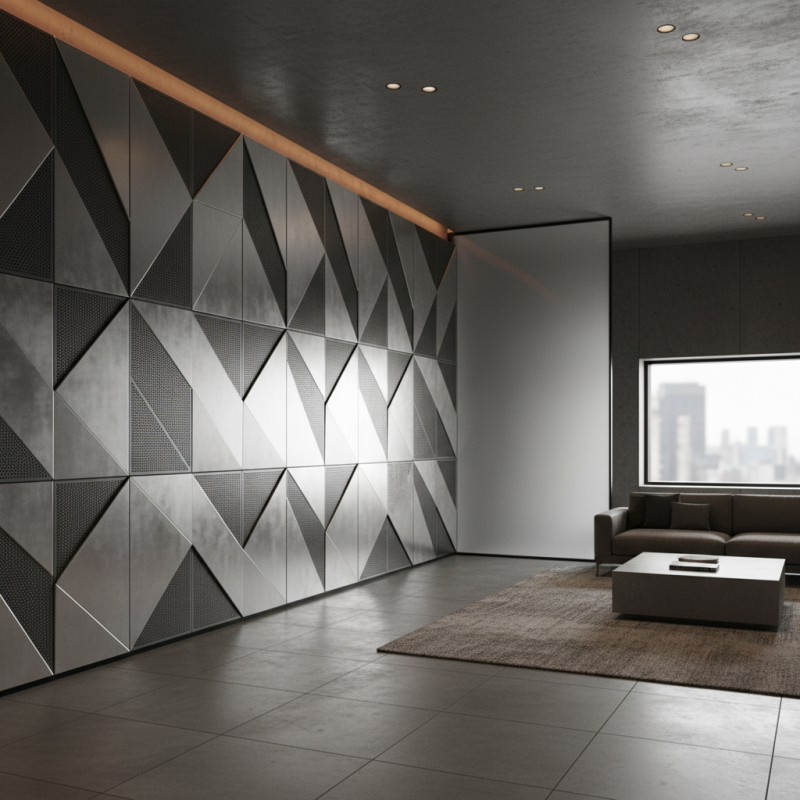
What Are Acoustic Metal Panels and How They Work
Acoustic metal panels are specialized materials designed to absorb sound and improve acoustics in various environments. These panels are typically made from metals like aluminum or steel and feature perforated surfaces. This unique design allows sound waves to enter the panel, where they are absorbed or scattered, reducing echoes and reverberation. According to the National Institute of Standards and Technology, the effectiveness of these panels is crucial, especially in commercial spaces where noise control is essential.
The science behind acoustic panels lies in their construction. Many panels utilize sound-absorbing materials combined with metal to enhance sound dampening. Research indicates that properly installed panels can reduce sound levels by up to 30 dB. However, it is vital to position them strategically for optimal performance. Without adequate placement, even the best materials may fail to deliver desired results.
While the benefits of acoustic metal panels are clear, challenges exist. Factors like panel thickness, mounting methods, and room size can affect performance. In some cases, users report that panels do not meet expectations. It underscores the importance of careful planning and consultation with acoustic professionals. In the end, understanding the limitations and potential of these panels is crucial for successful sound management projects.
Top 10 Acoustic Metal Panels You Need for Your Project
| Panel Type | Material | Thickness (inches) | Noise Reduction Coefficient (NRC) | Dimensions (inches) | Weight (lbs) |
| Panel A | Aluminum | 1 | 0.90 | 24 x 48 | 5 |
| Panel B | Steel | 1.5 | 0.85 | 36 x 72 | 10 |
| Panel C | Aluminum Composite | 1 | 0.92 | 48 x 48 | 6 |
| Panel D | Steel with Fabric | 2 | 0.88 | 24 x 60 | 8 |
| Panel E | Aluminum | 1 | 0.91 | 48 x 96 | 12 |
| Panel F | Steel | 1.5 | 0.86 | 36 x 36 | 9 |
| Panel G | Aluminum Composite | 1 | 0.93 | 60 x 60 | 7 |
| Panel H | Steel | 2 | 0.87 | 48 x 72 | 11 |
| Panel I | Aluminum | 1.5 | 0.89 | 24 x 36 | 4 |
| Panel J | Steel with Fabric | 2 | 0.90 | 60 x 120 | 15 |
Key Features to Look for in Acoustic Metal Panels
When choosing acoustic metal panels, key features make a substantial difference. The thickness of the panels can greatly influence sound absorption. Thicker materials generally perform better in dampening sound. Aim for a panel thickness of at least one inch for optimal results.
Another critical aspect is the surface texture. Panels with varied textures can disrupt sound waves more effectively. Look for options that offer a mix of smooth and porous surfaces. This can enhance their ability to absorb different frequencies.
Durability matters too. Panels must withstand wear and tear, especially in high-traffic areas. Check the materials used in the construction. Metal finishes should be resilient against dents and scratches. Thoughtful design is essential for longevity.
Top 10 Acoustic Metal Panels for Exceptional Sound Quality
When considering acoustic metal panels, exceptional sound quality is crucial. Research by the National Institute of Standards and Technology reveals that the right panels can reduce reverberation by up to 70%. This significant reduction enhances audio clarity in various environments, from recording studios to public spaces.
Choosing the right acoustic metal panel involves several factors. Thickness, density, and surface texture all play substantial roles in sound absorption. For instance, thicker panels often provide better performance at lower frequencies. Acoustic models with wave patterns also offer unique resonance control. Despite this, many overlook the necessity of trial and error in selecting the best fit for their specific needs.
Moreover, real-world applications can be challenging. While data suggests improvements, not all environments yield the same results. Factors like room shape and furniture placement influence sound quality. Understanding these dynamics can lead to significant enhancements. Trial and reflection on panel performance can lead to better acoustic outcomes.
Installation Tips for Optimal Performance of Acoustic Panels
When installing acoustic panels, placement matters. Start by identifying sound reflection points. Use a mirror to help you find these spots. Position your panels directly on these points for maximum effect. A well-placed panel absorbs sound, reducing echo and improving the overall sound quality.
Consider the size of your panels. Larger panels are effective at low frequencies. Smaller panels handle mid to high frequencies better. Mixing sizes might yield the best results. However, be mindful that uneven placements can create unwanted sound reflections. You want a cohesive acoustic treatment.
Installation should be secure. Use the right adhesive or mounting hardware. Panels must remain in place to perform optimally. If done incorrectly, gaps can form, leading to sound bleed. Additionally, allow some time to adjust. It may take time for the room's acoustics to settle. Regularly assess your setup to ensure it meets your needs.
Comparing Acoustic Metal Panels to Other Soundproofing Solutions
Acoustic metal panels have been gaining attention for their effectiveness in soundproofing. They are engineered to absorb sound waves and minimize reflection, making them a popular choice in various settings. Studies indicate that panels can reduce sound transmission by up to 75%. This makes them highly efficient compared to traditional soundproofing materials. However, there is still a need to evaluate their performance against alternatives.
When comparing acoustic metal panels to foam or fabric solutions, several factors are key. Acoustic foam may absorb mid to high frequencies well, but it is less effective at blocking bass sounds. In contrast, metal panels can tackle a broader range of frequencies. According to industry reports, a hybrid approach using both metal panels and soft materials can yield optimal sound treatment. This combination can effectively manage reflections and absorb sound in varied acoustic environments.
Despite the advantages, there are considerations to keep in mind. The installation process for acoustic panels can be demanding. They may require specific acoustic design expertise to achieve the desired results. Additionally, the look of metal panels may not appeal to every aesthetic. Understanding these nuances ensures a well-rounded approach to soundproofing for any project.