What Are the Top 10 Types of External Doors?

Choosing among the top 10 types of external doors is more practical than it first appears. A front entry door may prioritise security, while a glazed patio door may focus on daylight and garden access. French, sliding, folding, pivot, Dutch, storm, screen, security, and fire-rated doors each solve different problems. Details matter.

Professional guidance supports this performance-based approach. The U.S. Department of Energy reports that air leakage can represent a substantial share of household heating and cooling energy use. Poorly sealed doors can create cold drafts around thresholds, especially during winter. ENERGY STAR guidance therefore emphasises suitable insulation, weatherstripping, and careful installation. The National Fenestration Rating Council also uses independently verified U-factor and solar heat gain data for qualifying door products.

Market evidence adds another perspective. The Freedonia Group’s U.S. Door and Window industry analyses identify renovation, energy efficiency, durability, and design flexibility as continuing demand drivers. However, market popularity does not guarantee suitability. A large glass sliding door may brighten a room, yet it can increase solar exposure without suitable glazing and shading. A steel security door may feel reassuring, but its frame and locking system still require professional fitting.

This guide compares ten external doors through real-world criteria: security, weather resistance, insulation, maintenance, accessibility, appearance, and installation complexity. Some categories overlap. That is worth remembering. A “best” door depends on the building, climate, budget, and daily routine. A beautiful choice can still be the wrong one.

What Are the Top 10 Types of External Doors?

Defining External Doors and Their Role in Building Design

External doors are more than openings in an exterior wall. They control movement, daylight, security, weather resistance, and the visual transition between public and private space. A door assembly includes the leaf, frame, threshold, seals, hardware, and surrounding wall connection. That distinction matters. A beautiful door can still perform poorly if its threshold allows water or its frame leaks air.

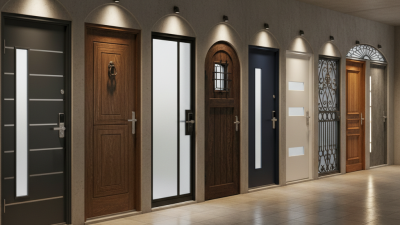
The ten common types include hinged, French, sliding, folding, pivot, Dutch, storm, screen, security, and fire-rated doors. Their roles differ. A sliding door can connect a kitchen with a garden, while a fire-rated door protects an escape route. A Dutch door supports ventilation with controlled access. A storm door adds another weather barrier. These categories sometimes overlap, and that can confuse project decisions.

Performance deserves equal attention to appearance. The International Energy Agency reports that buildings consumed about 30% of global final energy in 2022 and produced roughly 26% of energy-related emissions. The U.S. Department of Energy also estimates that air leakage may represent 25–40% of a typical home’s heating and cooling energy use. Therefore, designers should review U-factor, water resistance, air leakage, solar exposure, and accessibility together.

On site, a narrow visible gap beneath a door can signal a larger comfort problem. I have seen specifications focus on the door leaf while ignoring the frame connection. That is an avoidable weakness. A reliable design checks the whole opening, not just the most attractive surface.

Exploring the Ten Main Types of External Doors

External doors shape security, daylight, ventilation, and daily movement. The ten main types suit different building conditions. Entry doors provide a strong focal point and often use insulated timber, steel, or composite cores. Sliding patio doors save floor space beside furniture. French doors open wider, but need clear exterior space. Bi-fold doors create broad openings for gardens and entertaining. Dutch doors divide the leaf horizontally, allowing airflow while keeping children or pets inside. Storm doors add a protective outer layer in exposed climates. Screen doors support summer ventilation, although they offer limited security. Security doors use reinforced frames, multipoint locks, and impact-resistant panels. Fire-rated doors protect routes between garages and living areas. Side or utility doors prioritize practical access over appearance.

Performance matters more than fashion. The U.S. Department of Energy advises checking door weatherstripping, threshold seals, and frame gaps because air leakage increases heating and cooling demand. The National Association of Home Builders’ 2024 Cost vs. Value Report estimated a 188.1% recouped cost for a steel entry-door replacement. That figure reflects a specific project model, not every home. Location, installation quality, and maintenance can change the result dramatically.

In practice, I inspect the sill first. Water stains often reveal poor drainage before the door looks damaged. A wide glazed door may brighten a dark room, yet it can weaken privacy and thermal control. This ranking is useful, but not absolute. A storm door may outperform an expensive entrance door in harsh weather. Local climate, wall construction, escape requirements, and opening direction should guide the final choice.

Comparing Materials, Construction, and Opening Mechanisms

What Are the Top 10 Types of External Doors?

The ten common choices include solid timber, engineered wood, steel, fiberglass, aluminum, uPVC, full-glass, French, sliding, and bi-fold doors. Each option balances appearance, strength, maintenance, and insulation differently. Solid timber feels warm and substantial, but it can swell around damp thresholds. Engineered wood is more stable, though its surface still needs protection. Steel offers strong security and slim construction, while fiberglass resists dents and moisture. Aluminum suits modern façades, but poor thermal breaks can create cold interior surfaces.

Construction changes performance as much as material. A solid core usually feels quieter than a hollow core. Multi-layered panels can improve insulation and reduce warping. Glazed doors bring daylight, yet large glass areas may lose heat without suitable low-emissivity glazing. French doors open outward or inward from the center, requiring clear floor space. Sliding doors save room but need clean tracks. Bi-fold doors create a wide opening, although their many hinges demand accurate installation. Hinged doors remain dependable, but the swing direction must suit furniture and prevailing weather.

Tips: Check the frame, seals, threshold, and drainage before judging the door alone. Measure the opening twice. Small errors matter. In my experience, homeowners often choose attractive glass first and consider maintenance later. That choice is understandable, but not always practical. Test the handle, inspect corner joints, and ask how the mechanism performs after years of use. The perfect door is mostly a myth. Reliability usually comes from matching construction to climate, traffic, and daily habits.

Evaluating Security, Energy Efficiency, and Weather Resistance

What Are the Top 10 Types of External Doors?

External doors must balance security, energy efficiency, and weather resistance. Appearance matters, but performance matters longer.

Solid wood doors provide strength and natural insulation, though they can swell in damp weather. Engineered wood resists warping better, especially when its edges are properly sealed. Fiberglass doors offer reliable insulation and resist rain, salt air, and daily dents. Steel doors deliver excellent security, but exposed edges may rust without protective coatings.

Aluminum doors are lightweight and weather-resistant, yet poor thermal breaks can create cold indoor surfaces. Glass doors bring daylight, but laminated or double-glazed panels are safer and more efficient. French doors look welcoming, although their meeting point needs accurate alignment and strong multipoint locks. Sliding doors save space and suit patios, but worn tracks can weaken security and allow drafts. Folding doors open wide, while their many joints demand careful adjustment. Storm doors add a useful weather layer, but they cannot correct a badly fitted main door.

In my experience, installation often matters more than the door material. A small gap under a steel door can waste heat every winter. I once found daylight around a newly fitted frame. The door itself was excellent; the seal was not. Check the threshold, hinges, lock cylinder, frame anchors, and weather seals. Choose low-emissivity glazing for sunny openings, and confirm the door’s resistance ratings for wind, water, and forced entry. Local climate changes the decision. Coastal homes need corrosion protection, while cold regions need an insulated core and a tight frame.

What Are the Top 10 Types of External Doors?

Comparing security, energy efficiency, and weather resistance

Fiberglass, composite, and steel doors generally provide the strongest overall balance of security, insulation, and resistance to rain, wind, and temperature changes. Thermally broken aluminum and uPVC doors can also perform well when they include insulated cores, quality seals, and professional installation. Solid wood and engineered wood offer strong security and visual appeal, but they require more maintenance in exposed locations. Scores are comparative typical-performance ratings from 1 to 10 for properly installed, code-compliant doors; actual results vary by construction, glazing, hardware, seals, and local climate.

Choosing the Right External Door for Different Properties

What Are the Top 10 Types of External Doors?

Choosing the right external door depends on the property, exposure, and daily use. The ten common choices include timber, engineered wood, steel, fiberglass, aluminium, uPVC, sliding, French, bifold, and pivot doors. Timber suits period homes and warm interiors, but it needs regular sealing. Steel offers strong security for practical entrances. Fiberglass resists moisture and can imitate wood with less maintenance.

For apartments, a compact steel or engineered-wood door usually works better than a wide glazed design. Coastal homes need corrosion-resistant aluminium or fiberglass. In modern houses, sliding and bifold doors connect kitchens with patios. French doors suit symmetrical façades, although their opening space can become awkward near furniture. Pivot doors create a dramatic entrance, but their size may increase heat loss and installation costs.

Energy performance deserves careful checking. The U.S. Department of Energy reports that windows can account for 25% to 30% of residential heating and cooling energy use. A glazed external door should therefore have suitable low-emissivity glass, weather seals, and a published U-factor. The National Fenestration Rating Council explains that U-factor measures heat transfer, while solar heat gain coefficient indicates admitted solar energy. These figures matter more than appearance alone. I have seen attractive doors fail because the threshold was poorly drained. A small design oversight. For older properties, accurate surveys are essential, though even professionals can underestimate seasonal movement in timber.

What Are the Top 10 Types of External Doors? — Choosing the Right External Door for Different Properties
Rank External Door Type Common Construction Typical Property Suitability Security Thermal Performance Weather Resistance Maintenance Key Advantages Potential Limitations
1 Composite Door Multi-layer construction, commonly combining a reinforced core, insulating foam, weather-resistant facing and a durable frame. Modern houses, family homes, apartments and properties needing a secure primary entrance. ★★★★★ ★★★★★ ★★★★★ Low Strong security, good insulation, stable performance and a wide range of styles. Usually costs more than basic hollow-core or standard timber doors; damaged decorative skins can be difficult to repair.
2 uPVC Door Extruded rigid uPVC frame and leaf, often with insulated panels and multi-point locking hardware. Budget-conscious homes, apartments, utility entrances and replacement projects. ★★★★☆ ★★★★☆ ★★★★☆ Very low Affordable, moisture-resistant, easy to clean and generally energy efficient. Can look less substantial than solid doors; frames and panels may discolour or become brittle over time in harsh exposure.
3 Solid Timber Door Door leaf made from hardwood or softwood sections, often engineered or laminated for improved stability. Period properties, traditional homes, cottages and high-quality custom entrances. ★★★★☆ ★★★☆☆ ★★★☆☆ Medium to high Natural appearance, excellent repairability, strong feel and broad design flexibility. Requires sealing, painting or staining; may swell, shrink or warp if poorly protected from moisture.
4 Steel Door Steel-faced leaf with a reinforced frame and either a mineral-wool, polystyrene or polyurethane insulating core. High-security homes, service entrances, garages, workshops and commercial properties. ★★★★★ ★★★★☆ ★★★★☆ Low to medium Excellent impact resistance, strong security and dependable dimensional stability. Scratches or exposed edges can lead to corrosion; poorly insulated models may conduct heat and cold.
5 Aluminium Door Lightweight aluminium frame and panels, usually incorporating a thermal break and insulated glazing or panels. Contemporary homes, coastal properties, apartment buildings and large glazed entrances. ★★★★☆ ★★★★☆ ★★★★★ Low Resists rot and rust, supports slim profiles, and suits large openings and modern designs. Higher-quality thermally broken systems can be expensive; low-grade systems may have weaker insulation.
6 Glazed French Doors Two hinged door leaves with glass panels, generally framed in timber, uPVC or aluminium. Patios, gardens, balconies, period homes and rooms requiring wide access and natural light. ★★★☆☆ ★★★☆☆ ★★★☆☆ Low to medium Creates a wide opening, improves daylight and can connect internal rooms with outdoor spaces. More vulnerable to forced entry and draughts if poorly fitted; requires clearance for two opening leaves.
7 Sliding Patio Door Large glass panels running on horizontal tracks within a frame made from aluminium, uPVC or timber. Rear elevations, patios, balconies and homes where swing space is limited. ★★★☆☆ ★★★☆☆ ★★★★☆ Low Saves floor space, provides broad views and offers convenient access to outdoor areas. Tracks need cleaning; older or poorly adjusted systems may leak air, water or provide less security.
8 Bi-Fold Door Multiple hinged panels that fold and stack to one or both sides of a wide opening. Open-plan homes, garden rooms, extensions and properties designed for indoor-outdoor living. ★★★☆☆ ★★★☆☆ ★★★★☆ Low to medium Provides a very wide opening, high daylight levels and flexible ventilation. More hardware and seals mean more adjustment points; installation quality is important for smooth operation and weather performance.
9 Stable Door Vertically divided timber, uPVC or composite door with independently operated upper and lower sections. Cottages, rural homes, kitchens, utility rooms and homes needing controlled ventilation. ★★★☆☆ ★★★☆☆ ★★★★☆ Low to medium Allows fresh air and daylight while helping contain pets or young children. Has more hinges, locks and seals than a single-leaf door; the central joint requires careful adjustment.
10 Battened and Ledged Timber Door Vertical timber boards supported by horizontal ledges, sometimes reinforced with diagonal bracing. Sheds, workshops, garages, outbuildings and informal country-style entrances. ★★☆☆☆ ★★☆☆☆ ★★★☆☆ Medium to high Simple construction, easy to customise and suitable for practical outbuildings. Generally offers less insulation, airtightness and security than engineered residential entrance doors.
Ratings are general comparisons for well-designed, correctly installed doors. Actual performance depends on the frame, glazing, locks, seals, threshold, exposure, installation quality and local building requirements.

Before you go

Leave your projects details, and one of our team will reach out to answer any questions you may have