Choosing windows double glazed is not just a matter of comparing glass thickness. Frame design, seals, coatings, spacers, and installation all influence comfort and long-term performance. A neat showroom sample may look convincing, but real homes face wind, rain, noise, and changing temperatures.
Fenestration specialist Maya Chen captures the practical test: “A window is only as good as its glass package, frame, and installation working together.” Details matter. This guide introduces ten manufacturers with international reach, comparing their product ranges, technical options, quality credentials, and market presence. Manufacturer claims can differ, so check performance data for the exact model rather than relying on a brand name alone.
The right choice depends on the building and climate. A quiet bedroom may need stronger sound control; a sunlit room may benefit from carefully selected solar coatings. Availability and service also vary by region. This overview is a starting point, not a universal ranking, and it cannot replace project-specific advice. Even a careful comparison has blind spots: published specifications do not always show how a window performs after years of use. Read on for a practical look at what each manufacturer offers, and which details deserve closer inspection before purchase.
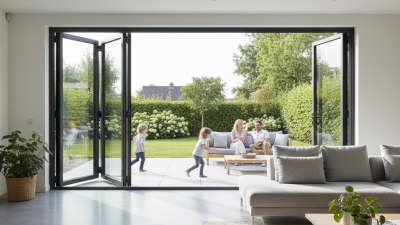
Double-glazed windows use two panes of glass separated by a sealed gap, often filled with air or an insulating gas. This layer slows heat transfer and can reduce outside noise. On a cold morning, the inner pane usually feels less chilly than single glazing. Small details matter.
Across global markets, manufacturers make units for homes, offices, schools, and commercial buildings. Product designs vary with climate, building style, and local performance needs. In hot regions, solar-control coatings can help limit heat gain. In colder areas, low-emissivity coatings and well-insulated frames may improve comfort. The glass is only part of the system; frame quality, seals, and installation also affect results.
Double glazing can reduce drafts and heating or cooling demand, but it does not solve every comfort problem. Poor installation may leave gaps, while indoor humidity can still cause condensation on cold surfaces. Not always. Buyers and specifiers should compare whole-window performance figures, not just the glass specification. A higher-rated unit may cost more, and the best choice depends on the building and its exposure. There is no universal “best” window; even a sound specification can disappoint when ventilation or installation is overlooked.
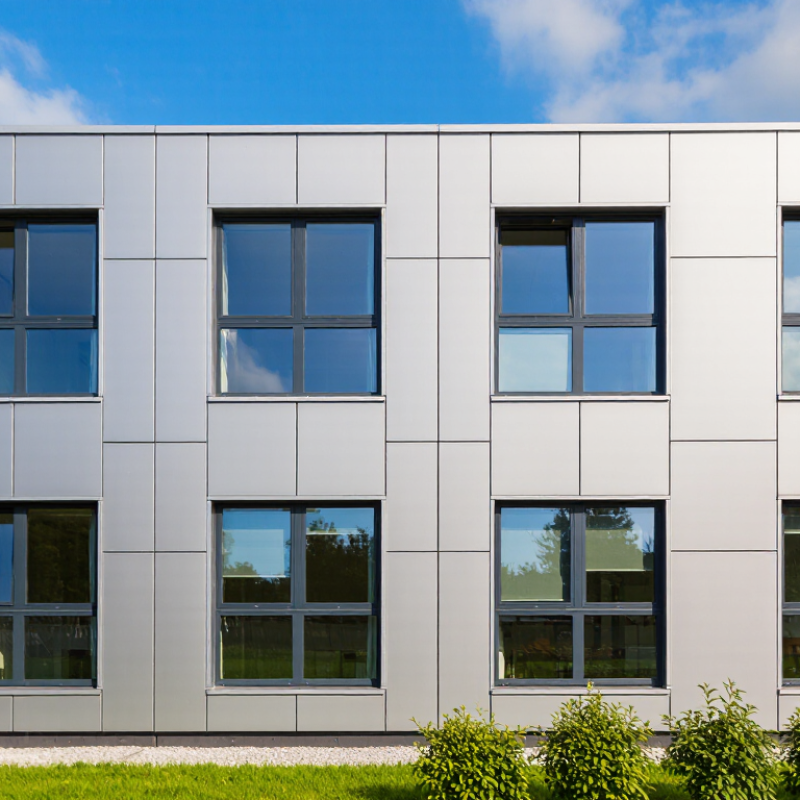
Selecting a top manufacturer starts with verifiable whole-window performance, not impressive brochure claims. The IEA’s 2023 Buildings analysis estimates that buildings use about 30% of global final energy. Thermal performance matters, but climate, orientation, shading, and installation shape actual results. Numbers matter.
Request test reports showing U-factor, solar heat gain coefficient, air leakage, and visible transmittance for the exact frame-and-glass configuration. Compare test conditions and recognized standards; center-of-glass values alone can hide losses around edges and frames. Inspect spacer type, low-emissivity coatings, gas-fill retention, seals, and condensation resistance. Ask how production batches are checked and whether warranties cover seal failure and hardware.
No rating is perfect. Also assess delivery consistency, technical support, repair access, and environmental product declarations; strong laboratory results can disappoint when installation guidance is vague.
Profiles of ten leading double-glazed window manufacturers are most useful when they reveal more than glass thickness. UNEP and the Global Alliance for Buildings and Construction reported that buildings and construction produced 37% of global energy- and process-related CO₂ emissions in 2022. Window design matters, but installation and whole-building performance matter too. A poor seal can undo careful product selection.
The ten profiles can distinguish manufacturers by practical strengths. One focuses on slim frames for renovation projects. Another offers broad size customization. A third emphasizes low-emissivity coatings. A fourth develops frames suited to cold climates. A fifth prioritizes solar control for warmer regions. A sixth provides acoustic glazing for noisy streets. A seventh supports large commercial façades. An eighth specializes in wood interiors and weather-resistant exteriors. A ninth offers configurable hardware and opening styles. A tenth concentrates on documented testing and after-sales service. These are comparison lenses, not proof of equal performance.
For U.S. homes, the Department of Energy estimates that heat gain or loss through windows accounts for 25–30% of residential heating and cooling energy use. That figure makes glass and frame specifications worth checking. Ask for whole-window ratings, not glass-only figures, and confirm that the stated values match the chosen size and configuration. Details matter. Still, published ratings cannot guarantee a flawless installation; site measurements, drainage, and seal quality deserve equal scrutiny.
A useful comparison of double-glazed window manufacturers starts with the glass unit, not the catalogue photograph. Products differ in pane thickness, cavity width, spacer design, and frame material. Low-emissivity coatings can reduce heat transfer, while argon-filled cavities may improve insulation when seals remain sound. But performance depends on installation, too. A laboratory rating cannot describe every draft around an imperfect opening. That’s worth remembering.
Technology claims deserve a closer look. Ask whether thermal and acoustic values come from recognized, independently verified tests, and check the tested configuration. A narrow frame may increase glass area, yet it may not suit every climate or building style. Condensation resistance, hardware durability, repair access, and warranty terms also reveal practical quality. Some details are easy to overlook.
Global reach is more than exporting. Manufacturers serving multiple regions need stable sourcing, technical support, and replacement parts that can arrive without long delays. Compare production capacity with local dealer coverage and the ability to adapt products to local climate conditions. A wide network can help, though it does not guarantee careful installation. There is no perfect scorecard. Comparisons remain messy when test methods or published data differ, so weigh documented performance against what can actually be maintained on site.
Double-glazed window manufacturers are responding to demand for better thermal comfort, quieter rooms, and lower energy use. The trend is not simply adding another pane. Low-emissivity coatings, gas-filled cavities, and warm-edge spacers can reduce heat transfer when correctly matched to a building’s climate and frame. Details matter. A high-performance glass unit may still disappoint if installation leaves gaps or creates cold bridges. Buyers are also asking for clearer performance data, including whole-window ratings rather than glass-only figures. This makes product comparison more useful, though labels can still be difficult to interpret.
Manufacturing trends include more recycled glass, automated cutting, and made-to-measure production for renovation projects. These changes may reduce material waste, but transport, breakage, and energy-intensive processing remain part of the footprint. Acoustic glazing is gaining attention near busy roads, while solar-control options can help limit overheating in exposed rooms. Smart glass is another area of interest, yet its cost and maintenance may not suit every project. There is no universal best specification. Window performance depends on orientation, ventilation, local weather, and how carefully the unit is fitted. A modest, well-installed upgrade can sometimes be more practical than the newest feature.
Leave your projects details, and one of our team will reach out to answer any questions you may have