Sliding Doors How They Transform Your Home Design?
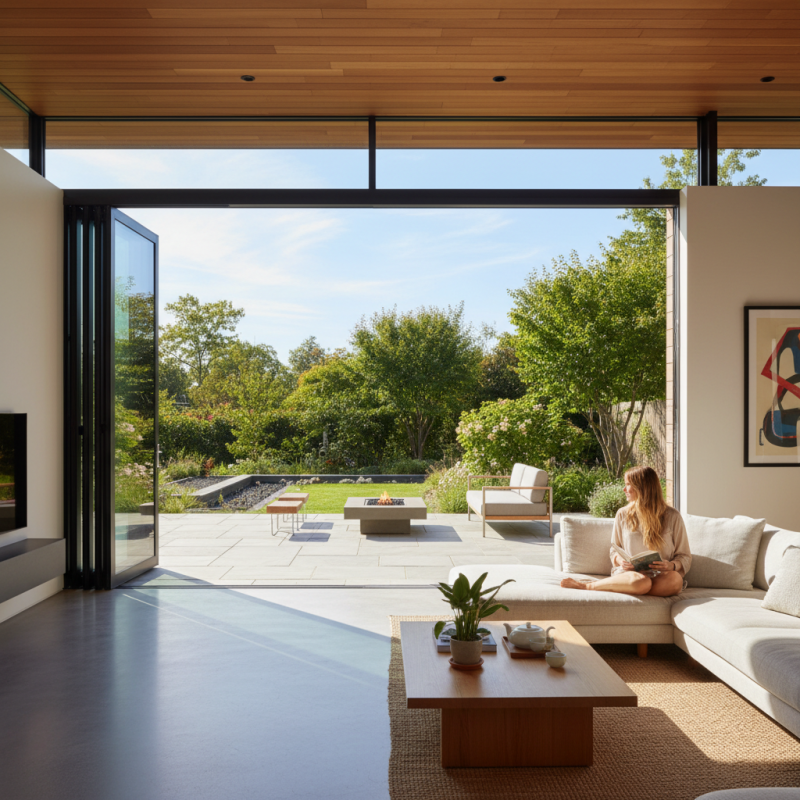
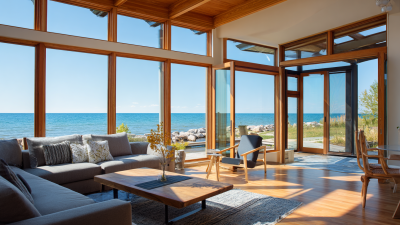
Sliding doors have become a vital component in modern home design. Renowned architect Sarah Thompson states, "Sliding doors create a seamless connection between indoors and outdoors." This feature transforms spaces, inviting natural light and enhancing aesthetic appeal.
These doors can open up entire walls, offering stunning views and blending environments. Imagine lounging in your living room, with an unobstructed view of the garden. Yet, not all sliding doors are created equal. The choice of materials and design can impact both style and functionality.
While sliding doors are visually striking, they can also present challenges. Maintenance and durability may become concerns over time. Homeowners must carefully consider their options. With the right approach, sliding doors can be the perfect addition to any home.
The Concept of Sliding Doors in Modern Home Design
Sliding doors are becoming a staple in modern home design. Their appeal lies not only in aesthetics but also in functionality. According to a survey by the American Institute of Architects, over 70% of homeowners prefer open floor plans. Sliding doors help create this seamless transition between indoor and outdoor spaces.
Incorporating sliding doors can enhance natural light. Realty experts note that homes with ample natural light tend to sell faster. For instance, homes featuring large sliding glass doors can increase perceived living space. However, not all sliding doors provide equal insulation. Homeowners should consider their climate and energy efficiency. Studies show that poorly insulated doors can increase energy costs by 20%.
Moreover, there are design challenges to consider. Sliding doors often require considerable wall space for operation. This can limit furniture placement and create awkward arrangements. It's vital to evaluate space before installation. Reflecting on these factors can lead to a more satisfying design outcome. Explore the balance between aesthetics and practicality.
Sliding Doors: How They Transform Your Home Design?
| Feature |
Benefit |
Design Options |
Ideal Spaces |
| Space-saving |
Maximizes available space, convenient for small rooms |
Glass, wood, aluminum finishes |
Living rooms, bedrooms |
| Natural Light |
Enhances interior brightness |
Floor-to-ceiling glass panels |
Patios, sunrooms |
| Accessibility |
Easy movement between spaces |
Single or multi-panel options |
Kitchens, entries |
| Aesthetic Appeal |
Sleek look, modern design element |
Customizable frames and colors |
Any room, especially trendy spaces |
| Indoor-Outdoor Flow |
Creates a seamless transition |
Stacking or pocket options |
Backyards, garden areas |
Advantages of Incorporating Sliding Doors in Your Space
Sliding doors can redefine spaces in your home. They create a seamless flow between indoor and outdoor areas. This design choice is not just about aesthetics. According to a report by the American Institute of Architects, homes featuring sliding doors can enhance natural light by up to 30%. This increase improves mood and overall well-being.
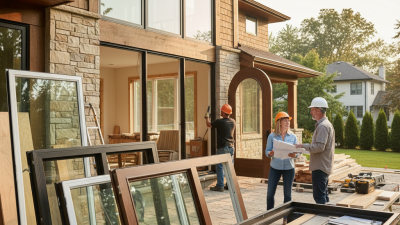
Integrating sliding doors also provides efficiency. The National Association of Home Builders found that 75% of homeowners prefer these doors for their space-saving features. Unlike traditional doors, sliding ones won’t require clearance for swinging open. This makes them ideal for smaller rooms. However, some homeowners may find maintenance challenging. Keeping the track clean is essential for smooth operation.
The impact on energy efficiency is another aspect to consider. Sliding doors can be designed with energy-efficient glass. This can reduce heating and cooling costs by nearly 20%, according to a study by the U.S. Department of Energy. However, poor installation can lead to air leaks. This is a critical factor that homeowners should reflect on before making a purchase.
Types of Sliding Doors: A Comprehensive Overview
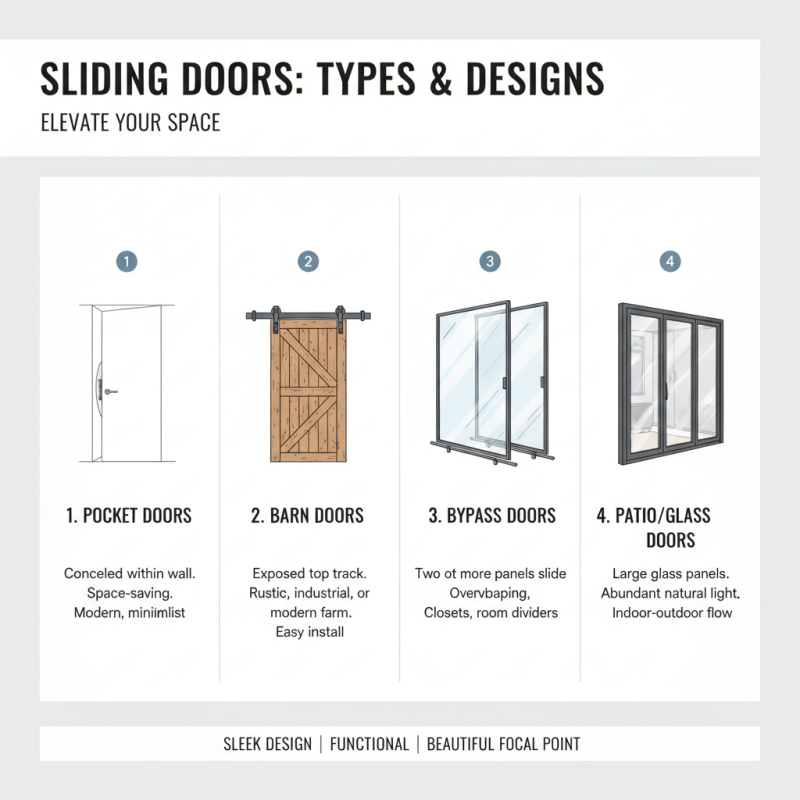
Sliding doors have gained popularity for their sleek design and functionality. They can be a beautiful focal point. Let’s explore different types.
The first type is bi-fold sliding doors. They open up wide, allowing for increased airflow. This style is great for creating a seamless transition between indoors and outdoors. However, they require ample space for operation.
Next, pocket sliding doors slide into the wall. They save space and offer a clean aesthetic. This can be perfect for smaller rooms. But, installation can be tricky, requiring precise measurements.
**Tips:** Consider the material of your sliding door. Glass doors add light but can lack privacy. Solid wood provides insulation but can be heavy. Think about your priorities before choosing. Additionally, ensure proper alignment; misalignment may lead to operational issues.
Lastly, French sliding doors feature multiple panes. They enhance natural light, creating an inviting atmosphere. However, they can be pricier and require more maintenance. Aim for a balance between style and practicality when choosing sliding doors.
Design Considerations When Choosing Sliding Doors
Sliding doors can be a stunning addition to any home. They bring an open feel to spaces. However, choosing the right sliding door involves careful thought. Consider the material first.
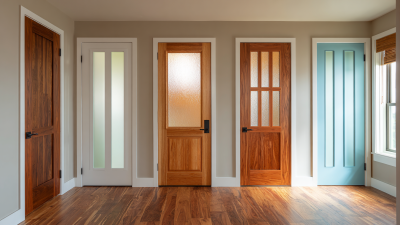
Wood offers warmth, but it can warp over time.
Aluminum is sleek, yet can seem cold and uninviting.
Glass doors provide natural light but may lack privacy.
Next, think about size and placement. A large sliding door can create a seamless transition between inside and outside. Yet, too big a door might overpower smaller spaces. Keep in mind the layout of your furniture. Will it obstruct the door's path? Ultimately, functionality matters just as much as aesthetics. Remember that while sliding doors can elevate your home, they also require maintenance. Tracks can collect dirt, causing them to stick. Regular cleaning is essential to avoid this.
Lighting should not be overlooked. Natural light enhances the mood, but consider how it changes throughout the day. Will the sun create glare? Think about adding shades or drapes for those instances. In the end, every choice should reflect your personal style while meeting practical needs. The process can be frustrating, but it’s worth it for a beautiful and functional home.
Sliding Doors and Their Impact on Natural Light and Flow
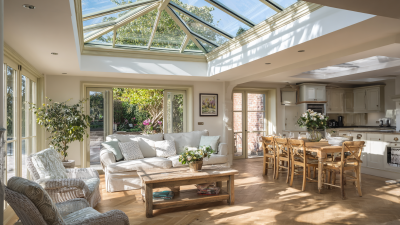
Sliding doors offer a remarkable way to enhance the flow of your home. They effortlessly connect indoor and outdoor spaces. Natural light floods in through the glass panels, brightening up dark rooms. This creates an inviting atmosphere, making any space feel larger and more open.
When contemplating sliding doors, think about placement. A door that opens to a garden or balcony can transform your daily experience. It can encourage outdoor living and create a seamless transition. However, not every location is ideal for sliding doors. Sometimes, they may block precious wall space or disrupt furniture arrangements.
Tips: When selecting sliding doors, consider window treatments carefully. Light-filtering shades can maintain privacy while letting in light. Also, ensure the track is clear of obstacles. A cluttered entry can hinder flow and movement. Keep it simple to enjoy the benefits of your design choices.