
How to Choose the Right TV Wall Cabinet for Your Home

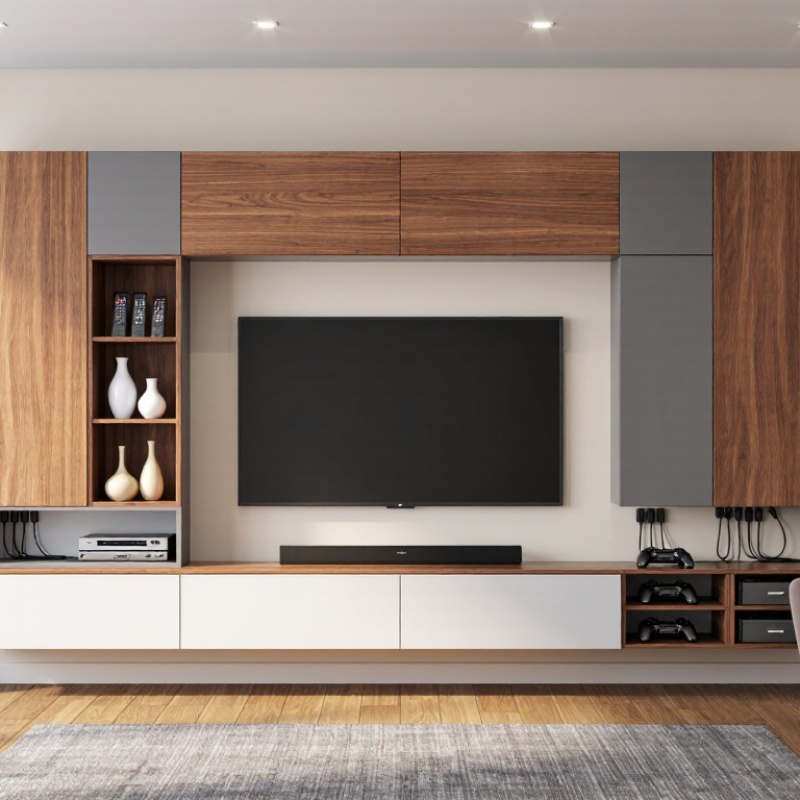
A Tv Wall Cabinet can make a living room feel calmer, but the wrong one creates clutter in plain sight. It must hold more than a screen. Think about consoles, game devices, remotes, cables, and the everyday objects that collect beneath the television. Measure the wall, viewing distance, and available depth before choosing a style. Small details matter. A cabinet that looks elegant in a showroom may block a doorway or leave cables exposed at home.

The Houzz 2024 U.S. Houzz & Home Study reported that 54% of surveyed homeowners renovated in 2023, with median renovation spending reaching $24,000. The report covers home projects broadly, not TV cabinets alone, but it highlights why durable, well-planned choices matter. Interior-design pioneer William Morris offered a useful principle: “Have nothing in your houses that you do not know to be useful, or believe to be beautiful.” Apply both tests. Does the cabinet provide practical storage? Does its finish suit the room’s light, flooring, and furniture?

There is no single best design. A floating cabinet can open up a compact room, while a floor-standing unit may offer more storage and easier installation. Check wall construction, ventilation, and access to outlets before committing. One honest caveat: product photos rarely show how messy cables can look. This guide explores dimensions, materials, storage, safety, and style, helping you choose a Tv Wall Cabinet that works in your actual home—not just on a screen.
How to Choose the Right TV Wall Cabinet for Your Home

Assess Your Room, Viewing Habits, and Storage Needs

How to Choose the Right TV Wall Cabinet for Your Home

Assess Your Room, Viewing Habits, and Storage Needs

Measure the viewing distance and room layout before comparing cabinet styles. SMPTE’s commonly cited guidance uses a 30-degree horizontal viewing angle as a baseline for comfortable viewing. Treat it as a reference, not a rule: a narrow room or side chair may change the best screen position. Sit where you actually watch, then check whether you can see the screen without turning your neck.

Your viewing habits matter. Nielsen’s July 2024 The Gauge report found streaming accounted for 41.4% of U.S. television use. If you switch between streaming devices, a game console, and a sound system, look for rear access, ventilated compartments, and room for plugs. Closed doors can hide clutter, but blocked airflow may cause equipment to overheat. Measure each device, including its cables. Measure twice.

Choose storage for the room you have, not an imagined perfect household. Count remotes, controllers, games, and the router, then leave some spare space. Check the cabinet height against seated eye level and its width against the wall, not just the screen. A wider cabinet can feel grounding, yet overwhelm a small room. I’d mark its outline on the wall with painter’s tape before buying; measurements on paper can be surprisingly misleading.

Measure the TV, Wall Space, and Required Clearances

Measure the television itself, not just its advertised diagonal. A 65-inch, 16:9 screen is about 57 inches wide, before accounting for its frame or feet. SMPTE’s commonly cited 30-degree horizontal viewing-angle guidance puts that screen roughly 8.9 feet from the viewer. Treat this as a planning reference, not a rule; room layout and eyesight change what feels comfortable. AVIXA’s Display Image Size for 2D Content standard likewise relates screen size to viewing distance and image detail. Check the actual TV dimensions in its specification sheet.

Next, measure the usable wall width, including nearby doors, shelves, and trim. A cabinet should generally extend beyond the TV’s width, leaving a few inches on each side for visual balance and access to cables. That allowance is a design choice, not an industry standard. Mark the proposed cabinet edges with painter’s tape. It can look surprisingly wide. Measure the TV’s feet, too, if it will sit on the cabinet; confirm the top can support their full footprint. Leave ventilation space around the screen and components according to their manuals, especially above devices that run warm. One detail is easy to miss: wall sockets and cable bends can reduce the space available behind a cabinet. Recheck those clearances before ordering.

How to Choose the Right TV Wall Cabinet for Your Home

Measure the TV, usable wall space, and required clearances before choosing a cabinet.

Screen widths are calculated for a 16:9 display and exclude the TV bezel. The example cabinet width adds 12 inches to the screen width (about 6 inches per side); suggested clear wall width adds another 6 inches total for installation space. These are planning estimates, not universal standards. Measure your specific TV and cabinet, and follow the manufacturer’s ventilation and mounting clearances.

Compare Cabinet Types, Materials, and Storage Features

A wall-mounted cabinet keeps the floor visible and suits compact rooms, but it needs secure wall fixing. A freestanding low console is easier to move and can carry heavier components. Choose a closed cabinet if cables and game controllers tend to collect dust; open shelves offer quicker access but show every wire. Measure the television, soundbar, wall studs, and viewing height before comparing widths. Small details matter.

Material affects both appearance and upkeep. Solid wood can be refinished, while veneer offers a natural look with less weight. Painted MDF creates a smooth finish, but damaged edges can be difficult to repair. The U.S. EPA’s 2018 Advancing Sustainable Materials Management report estimated that 12.1 million tons of furniture and furnishings entered the U.S. waste stream. That figure covers many furniture types, not TV cabinets alone, but it is a useful reminder to consider repairability and service life. A finish sample helps; room lighting can make the same color look surprisingly different.

Tips: Leave space for device ventilation, and check that cable openings align with outlets. Use adjustable shelves for changing equipment sizes, plus a drawer for small accessories. For a wall-hung unit, verify the wall construction and load rating with a qualified installer. One trade-off remains: more storage can mean a bulkier look. Measure twice.

Check Installation Methods, Cable Management, and Ventilation

A TV wall cabinet should match the wall structure and the way you use the room. Fixing a cabinet to masonry differs from fastening it to timber studs or plasterboard; confirm the wall type and use fixings rated for the combined cabinet and equipment weight. Leave access to the mounting points, too. You may need to reach them later. For cable planning, the HDMI Forum’s published HDMI 2.1 specification supports bandwidth up to 48 Gbit/s. That makes a clear, roomy route preferable to tight bends or sealed-in cables that cannot be replaced.

Measure the plugs, not just the cables. A recessed socket can leave a connector pressed against the wall, while a small access opening can make routine changes awkward. Keep power and signal cables separated where practical, and label both ends before closing the cabinet. Ventilation deserves equal attention: receivers, game consoles, and streaming devices release heat, especially inside enclosed shelves. There is no single clearance that suits every device; follow each unit’s installation guidance and keep vents unobstructed. A simple test helps: after an hour of use, check whether the shelf feels unusually warm. It is not a precise temperature reading, but it can reveal a poor layout. I have seen a neat cabinet become frustrating because airflow was treated as an afterthought.

Balance Style, Durability, and Budget Before Choosing

A TV wall cabinet should suit the room, not just the screen. Measure the wall, television, and nearby doors before comparing styles. A low, wide cabinet can make a small room feel calmer, while open shelves may look lighter. But they collect dust. Choose a finish that works with your flooring and existing furniture, then check whether the cabinet has enough closed storage for cables and devices.

Durability shows in the details. Look for sturdy panels, smooth drawer runners, and doors that align without rubbing. Check the stated weight limit, especially if the cabinet will support a television. Wall-mounted models need suitable fixings for your wall type; a professional installer can help if you are unsure. Small details matter. Thin backing or rough edges may not be obvious in a product photo, so inspect them in person when possible.

Set a budget that includes delivery, installation, and any required fittings. A lower price can be sensible if the cabinet feels stable and meets your storage needs. Spending more on decorative features may not improve everyday use. It is easy to focus on appearance and overlook cable access; that mistake can leave wires awkwardly exposed. Keep a little room in the budget for practical essentials, and compare materials and dimensions rather than price alone.

How to Choose the Right TV Wall Cabinet for Your Home — Balance Style, Durability, and Budget Before Choosing
Cabinet type Typical dimensions Common materials Style and storage Durability considerations Indicative price range (USD) Best suited for
Wall-mounted floating cabinet About 48–72 in wide; 10–16 in deep MDF, plywood, particleboard, or solid wood Clean, modern look; drawers or concealed compartments keep devices and accessories out of sight. Requires secure attachment to suitable wall framing or an appropriate masonry fixing system. Check the cabinet and mounting hardware load limits. Approximately $150–$700 Rooms where visible floor space and a streamlined appearance are priorities.
Floor-standing media cabinet About 48–78 in wide; 14–20 in deep Engineered wood, plywood, solid wood, or metal-and-wood combinations Available in many finishes; often includes shelves, doors, and cable openings. Does not depend on wall mounting for support. Look for stable construction, reinforced joints, and an anti-tip restraint where appropriate. Approximately $100–$800 Homes needing flexible storage or a simpler installation.
Solid-wood cabinet Commonly 48–72 in wide; dimensions vary by design Solid hardwood or softwood, sometimes with plywood panels Natural grain suits traditional, rustic, and transitional interiors; storage varies by model. Can be repaired or refinished, but wood may respond to changes in humidity. Check joinery and finish quality. Approximately $400–$1,500 or more Buyers prioritizing natural materials and long-term repairability.
Engineered-wood cabinet Commonly 48–72 in wide; 14–18 in deep MDF or particleboard with laminate, veneer, or painted finish Broad choice of colors and finishes; enclosed shelves help organize media equipment. Usually offers good value. Protect edges from moisture and inspect panel thickness, hardware, and assembly joints. Approximately $80–$450 Budget-conscious shoppers seeking a coordinated look and everyday storage.
Modular cabinet system Individual units often 15–30 in wide; total width is configurable Engineered wood, plywood, metal, or a combination Components can be arranged or expanded to fit different wall layouts and storage needs. Check how units connect and whether wall anchoring is required. Add-on pieces can increase the total cost. Approximately $200–$1,000 or more, depending on configuration Rooms with unusual dimensions or changing storage requirements.
Cabinet with integrated fireplace Often 48–80 in wide; allow space around the fireplace unit as specified in its manual. Engineered wood or wood panels with an electric fireplace insert Combines media storage with a decorative focal point; may include shelves or closed compartments. Follow the fireplace manufacturer’s clearance and electrical instructions. Keep heat-sensitive devices within the stated safe zones. Approximately $300–$1,200 Living rooms where a combined entertainment and decorative feature is desired.
Price ranges are broad estimates for typical retail products in the United States and vary with size, materials, finish, and construction. Before buying, measure the wall and TV, confirm cable and ventilation needs, and check the cabinet’s installation instructions and load limits.

Before you go

Leave your projects details, and one of our team will reach out to answer any questions you may have