How to Choose the Right Self Tapping Screws for Your Project?
Choosing the right Self Tapping Screws for your project is critical for success. The industrial fastener market has seen a growth rate of approximately 5% annually, highlighting the increasing importance of selecting the appropriate hardware. According to John Thompson, a leading expert in fastening technologies, “The right screws can make or break a project.” This underscores the significance of making informed choices.
Self tapping screws are designed for ease of use. They create their own threads, which saves considerable time during installation. According to the latest industry report by Fastener News, around 40% of construction professionals claim that wrong screw choices lead to project delays. This emphasizes the need for careful selection based on materials and project requirements.
Not every self tapping screw will suit your needs. Factors such as thread type, length, and coating matter greatly. Remember, even small details can impact your project outcome. The complexity of choosing the right screw requires not only a keen understanding but also experience in the field. Quality comes from careful assessment and an awareness of potential pitfalls.
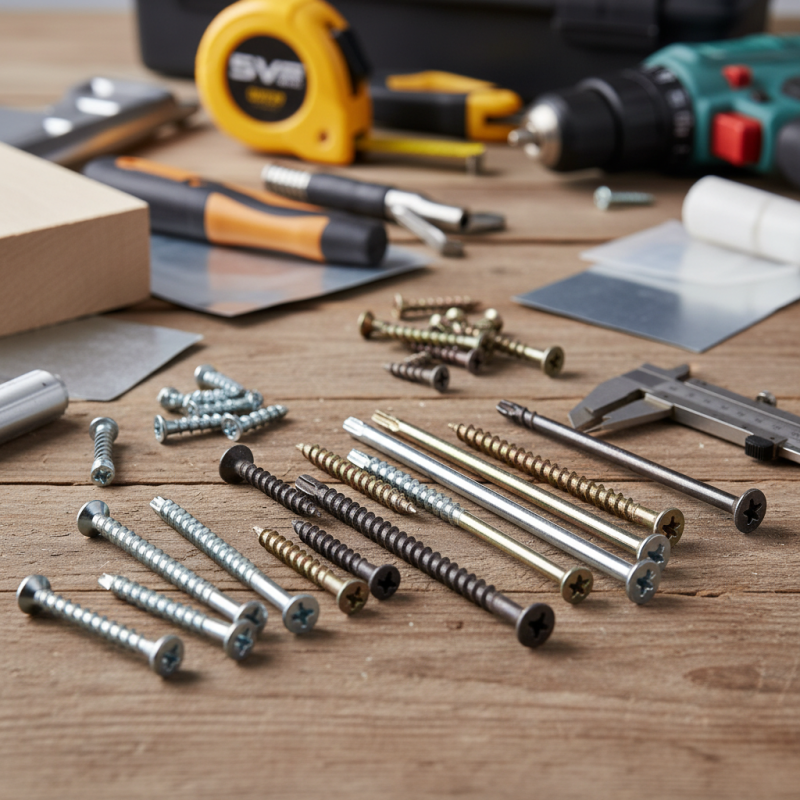
Understanding the Different Types of Self Tapping Screws
Choosing the right self-tapping screws is crucial for any project. They come in various types, each designed for specific materials and applications. Understanding these differences can make a significant impact on your project's success.
Sheet metal screws, for instance, are excellent for joining metal parts. They create their own threads as they are driven into the material. On the other hand, wood screws have a different thread design. They are specifically made for woodworking and can provide strong holding power in softer materials. Some self-tapping screws are also designed for plastic. These screws often have sharper points and finer threads.
Material selection is equally important. Stainless steel screws resist rust and corrosion, making them suitable for outdoor projects. However, using them in situations where disassembly is frequent might cause some frustration. Drywall screws, with their finer threads, are perfect for fastening gypsum boards, yet they may not hold up in heavy-duty applications. Each type has its advantages and limitations. Understanding them can help you avoid costly mistakes in your project.
How to Choose the Right Self Tapping Screws for Your Project?
| Type | Material | Coating | Common Uses |
| Sheet Metal Screws | Steel | Zinc-plated | Metal fastening |
| Wood Screws | Stainless Steel | Black oxide | Wood assembly |
| Self-drilling Screws | Carbon Steel | Phosphate | Metal-to-metal fastening |
| Plastic Screws | Polypropylene | None | Plastic assemblies |
| Threaded Inserts | Brass | None | Providing strong threads |
Materials Considerations for Self Tapping Screws
When selecting self-tapping screws, understanding the materials involved is crucial. Self-tapping screws come in various materials, each with distinct properties. For instance, stainless steel offers excellent corrosion resistance, making it suitable for outdoor applications. According to a recent industry report, stainless steel screws can maintain structural integrity in harsh environments for over ten years. However, they can be more expensive, which might not be ideal for budget-conscious projects.
On the other hand, carbon steel screws are a cost-effective option for indoor use. They provide good strength but are prone to rust if exposed to moisture. A study noted that untreated carbon steel can degrade significantly within four years in humid conditions. This highlights the importance of considering the operating environment while choosing the material type. In some cases, a coating or plating may be necessary, but it is not a foolproof solution.
Additionally, the application type should dictate the screw material. For lighter materials like plastic or drywall, aluminum-based screws are often recommended. Their lightweight property allows easy installation. Yet, they may lack the strength needed for heavier applications, which can lead to project failure. Each material choice carries a trade-off, underscoring the need for careful analysis before making a decision.
Selecting the Right Size and Length for Your Project
Selecting the right size and length of self-tapping screws is crucial for any project. If the screws are too short, they won’t hold. If they are too long, they might damage materials. It's essential to have a clear understanding of the thickness of the materials you'll be working with.
To determine the proper length, measure the combined thickness of the materials you plan to join. A rule of thumb is to choose screws that are at least 1.5 times the thickness of the thinner material. This ensures proper grip and resistance to pull-out forces. For example, if you are joining two pieces of wood that together measure 1 inch, a screw length of about 1.5 inches would be ideal.
The diameter of the screw also matters. Thicker screws are generally stronger but require pre-drilling in some materials. Consider the material type when making your choice. For softer materials, a smaller diameter screw can often suffice. However, harder materials might necessitate larger screws to maintain structural integrity. Test-driven decisions can lead to valuable lessons and an optimized process.
Self Tapping Screws Size and Length Selection
Choosing the Correct Drive Type and Head Style
When selecting self-tapping screws, understanding the drive type and head style is essential. The drive type determines how the screw is installed, influencing torque and stability. Common types include Phillips and Torx. A survey by the Fastener Industry Coalition shows that using the right drive type can increase installation efficiency by up to 30%. In applications requiring high torque, Torx screws are often preferred due to their ability to resist cam-out.
The head style also plays a critical role. Options range from flat to pan to hex heads. Each serves a specific purpose. For example, flat heads are ideal for flush finishes, while pan heads offer more surface area for better grip. The recent Fastener Quality Act emphasizes the importance of appropriate head styles in reducing screw loosening, which can lead to materials failure or safety hazards. Choosing the wrong style can compromise project integrity, leading to costly repairs or redesigns.
Consider the materials involved in your project. Different materials might require specific screw types for optimal performance. For wood versus metal applications, different head styles and drive types will offer varying results. Always review project requirements carefully. Mistakes made here can cost time and resources, reminding us that attention to detail is crucial when selecting self-tapping screws.
Evaluating Coating Options for Corrosion Resistance and Aesthetics
Choosing the right self-tapping screws involves more than just size and thread type. Coatings play a crucial role in determining both performance and visual appeal. Corrosion-resistant coatings can significantly extend the life of screws in diverse environments. For example, zinc plating offers basic protection, while more advanced coatings like epoxy can withstand harsher conditions.
Aesthetics are also important when selecting screws. Screws with a sleek, polished finish can enhance the overall look of your project. Consider how the coating interacts with the material surrounding it. Certain finishes may not adhere well to all surfaces, leading to issues. Reflecting on this aspect can prevent costly mistakes.
In some instances, screws might not perform as you expected. Maybe the screws corroded sooner than anticipated, or the finish dulled over time. Understanding the limitations of each coating could significantly improve your project outcomes. Evaluate the specific needs of your application, weighing the trade-offs between durability and appearance.