When it comes to upgrading your home, choosing the right windows can make a significant difference in both aesthetics and energy efficiency. UPVC windows have gained immense popularity in recent years due to their durability, low maintenance, and excellent thermal insulation properties. According to John Smith, a renowned expert in the UPVC windows industry, "Investing in quality UPVC windows not only enhances the beauty of your home but also offers long-term savings on energy bills."
In this ultimate guide, we'll walk you through the essential factors to consider when selecting UPVC windows for your home. From styles and designs to energy ratings and installation options, making an informed decision is crucial for maximizing both comfort and value. With the right information at your fingertips, you’ll be well-equipped to choose UPVC windows that not only fit your home perfectly but also serve you well for years to come. Let's explore all the possibilities that come with installing UPVC windows in your living space.
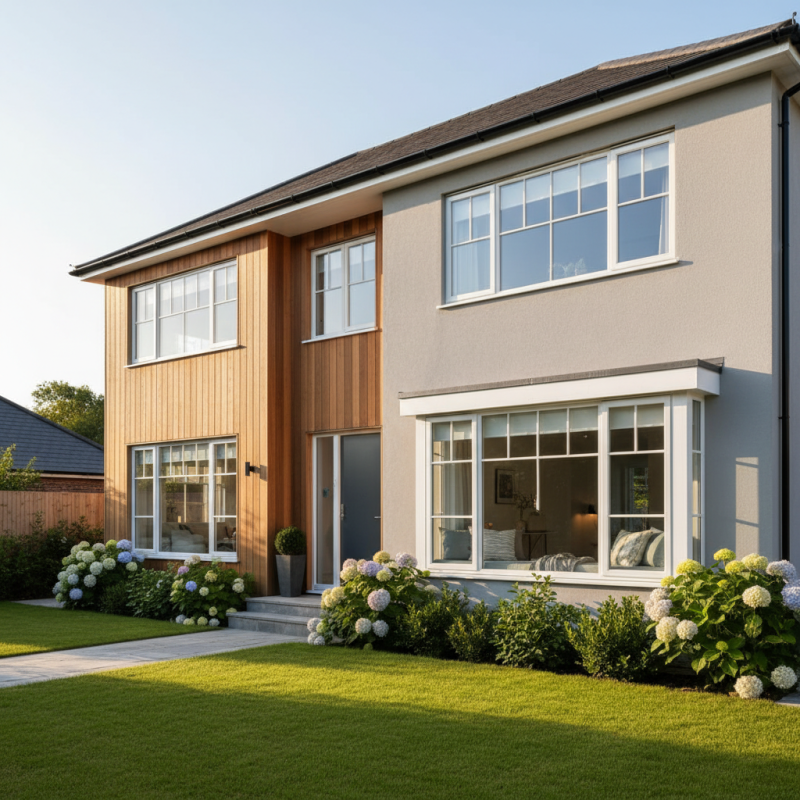
UPVC windows, made from unplasticized polyvinyl chloride, have become a popular choice for homeowners due to their numerous advantageous characteristics. These windows are highly resistant to rot, corrosion, and fading, making them an excellent option for various weather conditions. Unlike traditional timber frames, UPVC windows do not require regular painting or treatment, which significantly reduces maintenance efforts and costs over time. Additionally, they offer superior insulation, helping to maintain a comfortable indoor environment and potentially lowering energy bills.
One of the standout benefits of UPVC windows is their ability to enhance security. With robust locking mechanisms and sturdy frames, they provide a secure barrier against intruders, giving homeowners peace of mind. Furthermore, UPVC windows are available in a variety of styles and colors, allowing homeowners to choose the perfect design to complement their property’s architecture. Their energy efficiency, durability, and aesthetic versatility make UPVC windows an excellent investment for improving the overall value and comfort of a home.
When selecting UPVC windows for your home, there are several key factors to consider that significantly impact both functionality and aesthetics. One of the most critical aspects is the energy efficiency rating of the windows. Research from the Glass and Glazing Federation (GGF) indicates that high-performance UPVC windows can reduce heating bills by up to 30% compared to standard windows, thanks to better insulation values, which are represented by the Energy Saving Trust ratings. Optimal double or triple glazing options ensure that your home remains comfortable year-round while contributing to reduced carbon emissions.
Another vital consideration is the durability and maintenance of UPVC materials. Data from the British Plastics Federation suggests that UPVC has a lifespan of over 30 years, requiring minimal maintenance compared to traditional wood frames. Homeowners should also evaluate the frame construction and locking mechanisms to enhance security features. Advanced locking systems and multi-chambered frames not only improve insulation but also significantly increase the safety of your home, which is often a primary concern for many buyers. By focusing on these critical elements, homeowners can make informed decisions that offer long-term benefits in energy savings and security.
When it comes to selecting windows for your home, the choice of material plays a crucial role in determining not only aesthetic appeal but also energy efficiency and long-term durability. UPVC (Unplasticized Polyvinyl Chloride) windows have emerged as a strong contender against traditional materials such as wood and aluminum. According to a recent industry report from the Fenestration and Glazing Industry Alliance (FGIA), UPVC windows can achieve energy savings of up to 25% compared to wooden frames, thanks to their superior insulation properties. This makes them an excellent choice for homeowners looking to reduce energy bills while enhancing the comfort of their living spaces.
In contrast, aluminum windows, while durable and stylish, tend to conduct heat more efficiently and often require additional thermal breaks to improve energy efficiency. The same FGIA report highlights that UPVC frames provide a significantly lower thermal transmittance (U-value), making them ideal for areas with extreme temperature variations. Furthermore, maintenance of UPVC windows is minimal, as they are resistant to rotting, corrosion, and fading—issues commonly faced with wood and metal frames. In fact, a survey by the National Fenestration Rating Council (NFRC) indicates that 70% of homeowners prefer UPVC for its low maintenance needs and longevity, solidifying its position as a leading choice in the window market.
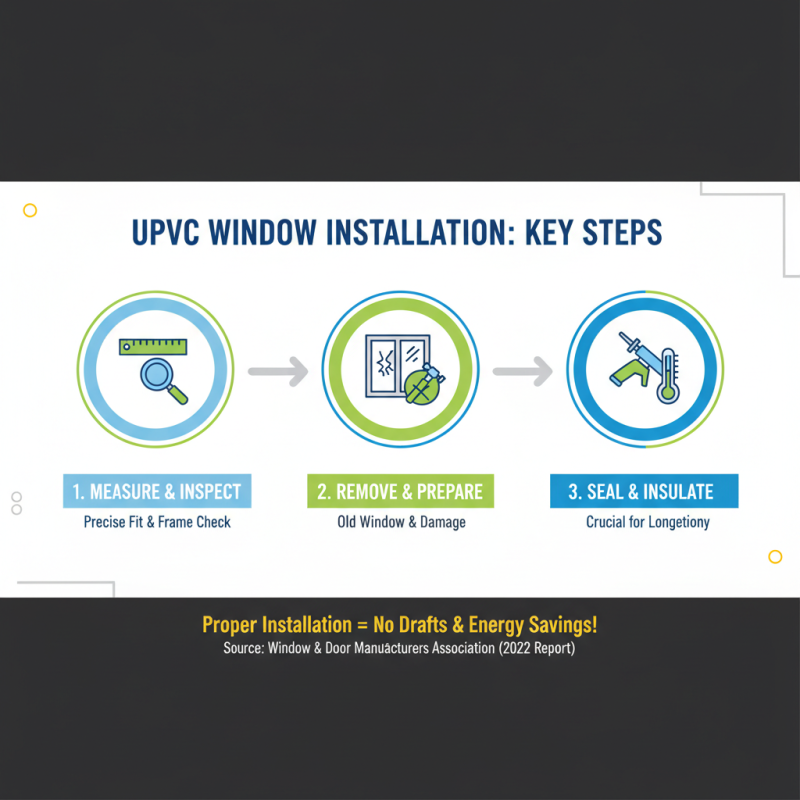
When it comes to installing UPVC windows, the process begins with precise measurements to ensure a perfect fit. Professional installers often recommend removing the old windows and checking the frame for any damage. According to a 2022 report by the Window and Door Manufacturers Association, improper installation can lead to drafts and increased energy costs. Proper sealing and insulating during installation are crucial steps that directly influence the longevity and performance of your windows.
Maintenance of UPVC windows is relatively straightforward, which is one of their many benefits. Regular cleaning with a mild detergent and water can help keep the frames looking new. Additionally, it’s important to inspect the seals and hinges periodically to prevent any deterioration. The 2021 UPVC Window Industry Report highlighted that general maintenance can prolong the lifespan of UPVC windows by up to 10 years.
Tips: Always check for signs of wear in the weather stripping, and be proactive in replacing it if you notice any gaps. Furthermore, consider applying a UV-resistant sealant every few years to protect your windows from sun damage. This not only enhances their appearance but also boosts their energy efficiency, ensuring a comfortable home environment year-round.
When budgeting for your UPVC window project, it is essential to consider various cost factors to avoid unexpected financial strain. On average, the cost of UPVC windows can range from $300 to $1,500 per window, depending on factors such as size, style, and glazing options. According to a recent report by the National Association of Home Builders (NAHB), homeowners should allocate approximately 10-15% of their total renovation budget for window replacements, ensuring they account for both material and installation costs.
In addition to the initial purchase price, long-term savings should also factor into your budget considerations. UPVC windows are known for their energy efficiency, which can reduce heating and cooling costs by up to 30%. A study by the American Council for an Energy-Efficient Economy (ACEEE) highlights that upgrading to energy-efficient windows can lead to average savings of $465 per year on energy bills. This not only makes the upfront investment more manageable but also contributes to increased home value, with energy-efficient homes experiencing a premium of up to 15% in resale value according to recent market analyses. By thoughtfully evaluating both immediate and ongoing costs, homeowners can make informed choices that enhance their properties while remaining within budget.
| Window Type | Price per Unit | Installation Cost | Total Estimated Cost | Energy Efficiency Rating |
|---|---|---|---|---|
| Single Glazed UPVC | $150 | $100 | $250 | C |
| Double Glazed UPVC | $250 | $150 | $400 | B |
| Triple Glazed UPVC | $350 | $200 | $550 | A |
| Decorative UPVC | $200 | $120 | $320 | B |
Leave your projects details, and one of our team will reach out to answer any questions you may have