Why Choosing Quality Windows Matters for Your Home?
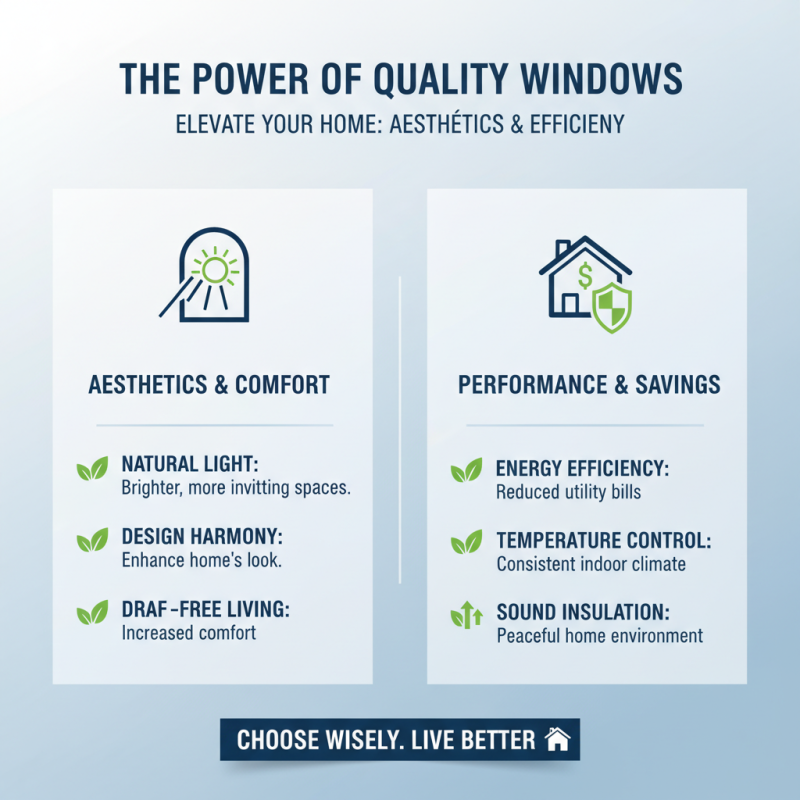
Choosing the right windows for your home is more than a design choice; it's a crucial investment in comfort and energy efficiency. According to Laura Mitchell, a window industry expert, "Quality windows enhance your home’s value and reduce energy costs significantly." Her insights highlight the importance of selecting quality windows.
Quality windows protect against harsh weather while improving insulation. Poor choices can lead to drafts and high heating bills. The market is filled with options, but not all windows are made the same. Investing in low-quality products can result in recurring repairs or replacements.
Moreover, aesthetics and durability depend significantly on the window type selected. Homeowners often overlook these details, focusing primarily on price. However, these seemingly small choices shape your living experience. Quality windows represent both an aesthetic appeal and a long-term financial strategy. They deserve careful consideration.

Importance of Quality Windows in Home Design
When designing a home, quality windows are essential. They contribute to aesthetics and functionality. Good windows enhance natural light. They also help with energy efficiency. Poor-quality windows can lead to drafts and increased energy bills. They may look nice, but their performance can be disappointing.
Choosing the right windows requires careful thought. Do you prefer style or practicality? Consider the climate where you live. Windows that suit a sunny area may differ from those for colder climates. Pay attention to the materials used. Wood can look beautiful but may need more maintenance. Vinyl offers durability with less upkeep.
Tips for selecting windows: Always opt for energy-efficient models. Check for low-E coatings to reduce heat transfer. Explore double or triple glazing for better insulation. It is wise to measure your space accurately. Poor measurements can lead to gaps or misfits. Remember to think about security features too. Good locks are vital for safety. They can be a great comfort to homeowners.
Impact of Quality Windows on Energy Efficiency
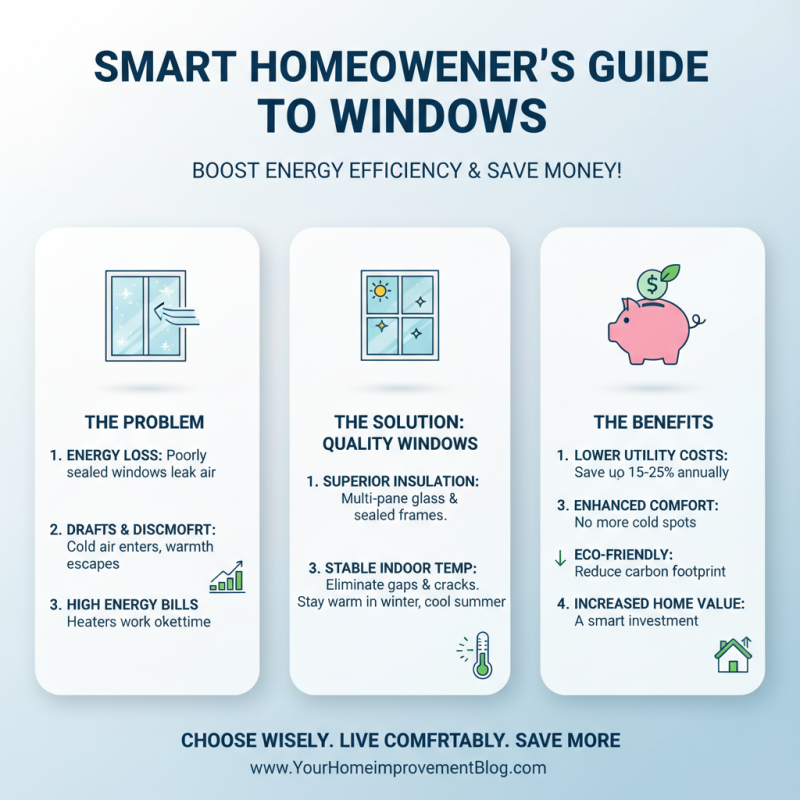
Choosing quality windows for your home is crucial. They play a big role in energy efficiency. Poorly made windows can lead to drafts and energy loss. It's frustrating to pay high energy bills due to inadequate insulation. A small gap or crack can let in cold air. This is particularly noticeable during winter. Higher energy bills can strain your budget.
Quality windows contribute to better insulation. They maintain a stable indoor temperature. This means you can use heating or cooling systems less often. For instance, double- or triple-pane windows can be more effective. They provide an additional barrier against outside temperatures. However, many homeowners overlook window quality. They often focus on style or cost instead.
In some cases, it’s easy to become complacent. You may think that any window will do. Yet, the long-term cost of poor quality can exceed initial savings. It's essential to consider how windows affect overall energy use. Reflect on your windows regularly. Look for signs of wear, like condensation between panes. Investing in quality now will pay off later, in both comfort and savings.
Aesthetic Benefits of Choosing High-Quality Windows
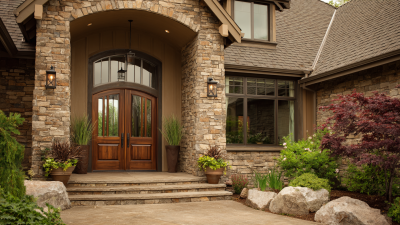
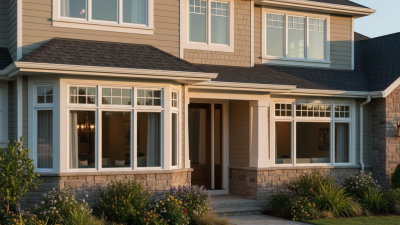
High-quality windows can transform the look of a home. They enhance curb appeal significantly. A well-chosen window design complements your architecture. It shows off your style and personality. Imagine a sleek, modern frame that captures attention. Or traditional wood that exudes warmth. Each option adds character in unique ways.
Beyond aesthetics, quality windows provide practical benefits. They can improve insulation, potentially lowering energy costs. Still, choosing windows is not just about function. Reflect on how each style fits your vision. Are you drawn to bold colors or soft shades? Do you prefer clean lines or ornate details? These decisions influence the mood of your space.
Sometimes, choices may feel overwhelming. You might hesitate between two styles or materials. This uncertainty is common. Walking through a local neighborhood can inspire you. Observe what speaks to you. Each glance at beautiful windows can guide your heart’s desire. High-quality windows can give life to your home’s story.
Long-Term Cost Savings with Durable Window Options
Choosing quality windows is crucial for homeowners seeking long-term cost savings. Durable window options might cost more upfront, but they provide significant benefits over time. According to the U.S. Department of Energy, high-performance windows can reduce energy bills by 12-25%. This means investing in the right windows can lead to significant savings.
When selecting windows, consider energy efficiency ratings. Windows with a higher R-value provide better insulation. This translates to lower heating and cooling costs. Opt for materials like fiberglass or vinyl, which tend to last longer than standard wood options. The National Fenestration Rating Council (NFRC) emphasizes that selecting energy-efficient windows can greatly enhance overall home comfort.
Tip: **Think long-term.** Choose windows that have warranties of 20 years or more.
Not all windows are created equal. Inconsistent quality can lead to leaks and drafts. Such issues can negate any savings gained from lower energy bills. Assess the installation process as well. Poor installation can result in costly repairs down the line.
Tip: **Research local contractors.** Ensure they have a good reputation and strong references.
Why Choosing Quality Windows Matters for Your Home? - Long-Term Cost Savings with Durable Window Options
| Window Type |
Material |
Average Lifespan (Years) |
Energy Efficiency Rating |
Estimated Cost ($) |
Long-Term Savings (10 years) ($) |
| Vinyl Windows |
Vinyl |
20 |
Energy Star Certified |
300 |
2000 |
| Wood Windows |
Wood |
30 |
High Efficiency |
600 |
1800 |
| Aluminum Windows |
Aluminum |
25 |
Moderate Efficiency |
400 |
1200 |
| Fiberglass Windows |
Fiberglass |
40 |
Energy Star Certified |
800 |
3000 |
Factors to Consider When Selecting Quality Windows
When selecting quality windows, several factors deserve careful consideration. The material of the windows impacts durability and energy efficiency. Common materials include wood, vinyl, and aluminum. Each has its pros and cons. Think about the climate in your area. Wood may rot in humid conditions while vinyl withstands moisture.
Tip: Always check the energy ratings. Higher ratings can lead to significant savings on energy bills. Look for windows with double or triple glazing for better insulation. These can keep your home warm in winter and cool in summer.
Another aspect to reflect on is the style that complements your home. Windows contribute to your house’s aesthetic appeal. Choose designs that blend well with existing architecture. Consider the functionality too; some windows open wider for ventilation, while others are fixed.
Tip: Don’t forget about maintenance. Some materials require more upkeep than others. Invest in quality windows that are easy to clean and maintain. Poor quality might save money upfront but will cost more in the long run.
Importance of Window Quality in Home Selection