How to Choose the Perfect Home Gazebo for Your Backyard?
Choosing the perfect home gazebo can transform your backyard into an inviting retreat. According to industry expert John Henson, who specializes in outdoor structures, "A well-chosen home gazebo adds both beauty and functionality to any space." His insights reflect the importance of thoughtful selection.
Home gazebos come in various styles, materials, and sizes. Each choice impacts your yard's overall aesthetic and utility. It's essential to consider your personal taste and the gazebo’s purpose. Do you envision a space for family gatherings, or a peaceful nook for reading? This decision influences your design requirements.
While shopping, it's easy to get overwhelmed. Some homeowners may rush into decisions, ending up with a structure that doesn’t suit their needs. Take your time to assess different options. Think critically about what will genuinely enhance your outdoor experience. A perfect home gazebo isn't just an addition; it's an investment in your sanctuary.
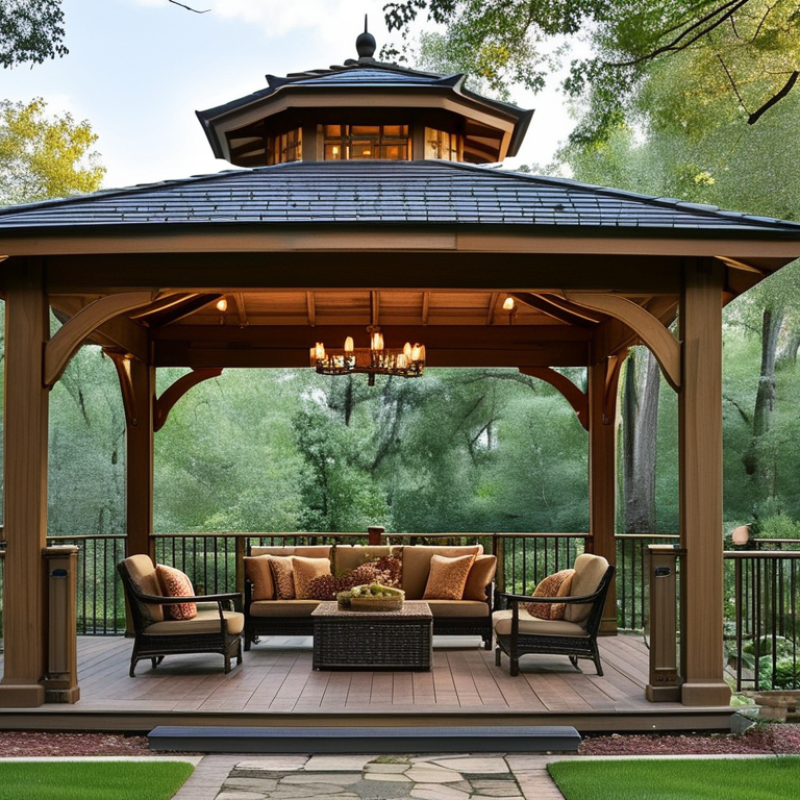
Factors to Consider When Choosing a Gazebo for Your Backyard
Choosing the right gazebo for your backyard involves several important factors. Start by considering the intended use. Will it serve as a dining area, a relaxing retreat, or a play space for children? Knowing its purpose helps narrow down your options. Select the size based on your yard's dimensions. A large gazebo might overpower a small space, while a tiny structure may feel lost in a vast garden.
Materials are crucial too. Wood, metal, and vinyl each have their pros and cons. Wood offers a classic look but requires regular maintenance. Metal, on the other hand, is durable but may not blend well with a natural setting. Think about your local climate. Will high winds or heavy snow affect your choice? Assess your region's specific needs.
Finally, consider your budget. Gazebos can vary widely in price, depending on size and material. Set a realistic budget that accommodates initial costs and future maintenance. It's essential to take time to research various styles. Your choice should reflect your aesthetic while also being practical. Balancing appearance and functionality can be challenging but rewarding.
Understanding Different Types of Gazebos: Materials and Styles
When selecting a gazebo for your backyard, consider both materials and styles. Wood, vinyl, and metal are common materials, each with unique pros and cons. For instance, wood offers a natural aesthetic but requires regular maintenance. Vinyl is lower maintenance, while metal provides durability but might lack warmth. According to a recent market report, over 35% of homeowners prefer wooden gazebos for their traditional look.
Styles also play a crucial role. The most popular include freestanding, wall-mounted, and pop-up models. Freestanding gazebos provide versatility in placement, while wall-mounted ones save space. Pop-up models offer portability but may not withstand harsh weather. In 2022, 48% of gazebo buyers opted for freestanding designs due to their spaciousness and flexibility.
Tip: Consider local climate when choosing materials. For humid areas, vinyl might be a better choice than wood.
Tip: Think about your style preferences. Rustic wooden designs may blend better in a garden setting than sleek metal ones.
Ultimately, weigh your needs against the options available. Each choice reflects your taste and can enhance your outdoor experience. Several gazebos may not fit perfectly with every backyard layout, leading to some potentially wasted space. Assessing your garden’s dimensions can help mitigate this common oversight.
Assessing Space Requirements and Layout for Gazebo Installation
When selecting the perfect gazebo for your backyard, space assessment is crucial. A well-planned layout enhances functionality and aesthetic appeal. According to the American Society of Landscape Architects, 70% of home improvement projects focus on outdoor spaces. A well-placed gazebo can elevate your yard’s value significantly.
Begin by measuring the available area. Gazebos come in various shapes and sizes, from compact octagonal designs to larger rectangular models. Ideally, you should allocate at least 100 square feet for a small gazebo, ensuring it doesn't overwhelm the space. Remember, maintaining at least five feet between the gazebo and other structures is necessary for safe usage and good flow.
Consider the surrounding landscape. Incorporate elements such as trees and gardens in your design. This creates a seamless transition between the gazebo and the yard. However, be cautious; overcrowding can lead to a chaotic look. According to a recent survey by the National Association of Realtors, 60% of homeowners expressed dissatisfaction after installation due to poor positioning. Thoughtful planning will not only improve aesthetics but also enhance your outdoor living experience.
Investment Analysis: Gazebo Costs vs. Long-Term Value
When considering a gazebo for your backyard, costs and long-term value are crucial factors. A recent report by the Home Improvement Research Institute indicates that a well-installed gazebo can enhance property value by up to 10%. This statistic shows potential returns on investment. However, the initial costs can vary significantly based on materials and design. Wooden gazebos typically range from $3,000 to $5,000, while metal options may start at $1,500.
Consider the ongoing maintenance costs too. Wooden structures require annual staining or sealing. Metal gazebos, although low-maintenance, might require rust-proofing over time. It's essential to weigh these factors against your lifestyle and long-term plans. If you plan to stay in your home for many years, investing in a high-quality gazebo could be worth it.
Homeowners often underestimate the utility of a gazebo. Beyond aesthetics, it provides outdoor living space, increasing usability of your backyard. However, it’s important to reflect on whether your backyard can accommodate such a structure comfortably. Overcrowding can diminish value. Consulting with landscape experts may clarify how a gazebo fits into your overall outdoor design, promoting both value and enjoyment of your space.
How to Choose the Perfect Home Gazebo for Your Backyard? - Investment Analysis: Gazebo Costs vs. Long-Term Value
| Gazebo Type | Initial Cost ($) | Maintenance Cost/Year ($) | Expected Lifespan (Years) | Long-Term Value ($) |
| Wooden Gazebo | 4000 | 200 | 20 | 9000 |
| Vinyl Gazebo | 3500 | 150 | 25 | 11000 |
| Metal Gazebo | 2500 | 100 | 30 | 8000 |
| Aluminum Gazebo | 3000 | 120 | 35 | 9000 |
Regulations and Permits: Ensuring Compliance for Your Gazebo Project
When planning to install a gazebo, understanding the regulations and permits is crucial. Many homeowners overlook this step, leading to fines or costly modifications. According to the American Planning Association, roughly 40% of permits for outdoor structures are unapproved due to non-compliance. This indicates a significant gap in awareness among potential gazebo owners.
Local zoning laws vary widely. They may dictate size, height, and placement of your gazebo. For instance, some areas require a setback from property lines, while others mandate specific aesthetic guidelines. Failing to adhere to these can result in enforcement actions. Professionally surveying your property can help pinpoint these regulations. Additionally, check if a building permit is essential for your structure. In some jurisdictions, even a small gazebo could need one.
Educating yourself on these requirements is vital. The permits can ensure structural safety and neighborhood harmony. Engaging with local planning departments can provide insight into the regulations that apply to your area. This proactive approach can save homeowners time and unexpected costs. It’s important to reflect on how careful planning not only enhances aesthetics but also aligns with community standards.