How to Choose the Right Doors and Windows for Your Home Improvement Project
In the realm of home improvement, selecting the right doors and windows is a crucial decision that impacts both functionality and aesthetic appeal. According to industry expert John Smith, a seasoned architect with over two decades of experience, "The right doors and windows can transform your home’s character while enhancing energy efficiency." This highlights the significance of making informed choices during a renovation project.
When embarking on a home improvement journey, homeowners must consider various factors including materials, styles, and energy performance ratings. The options available today are plentiful, offering a distinct range that can cater to both traditional and contemporary home designs. With proper guidance and understanding of one’s specific needs, selecting the ideal doors and windows can elevate not only the beauty of a home but also its overall value and sustainability.
As you navigate through the myriad of choices, it’s essential to keep in mind the long-term effects these selections will have on your living environment. With expert insights like those of John Smith, you can approach this important aspect of home improvement with confidence and clarity.
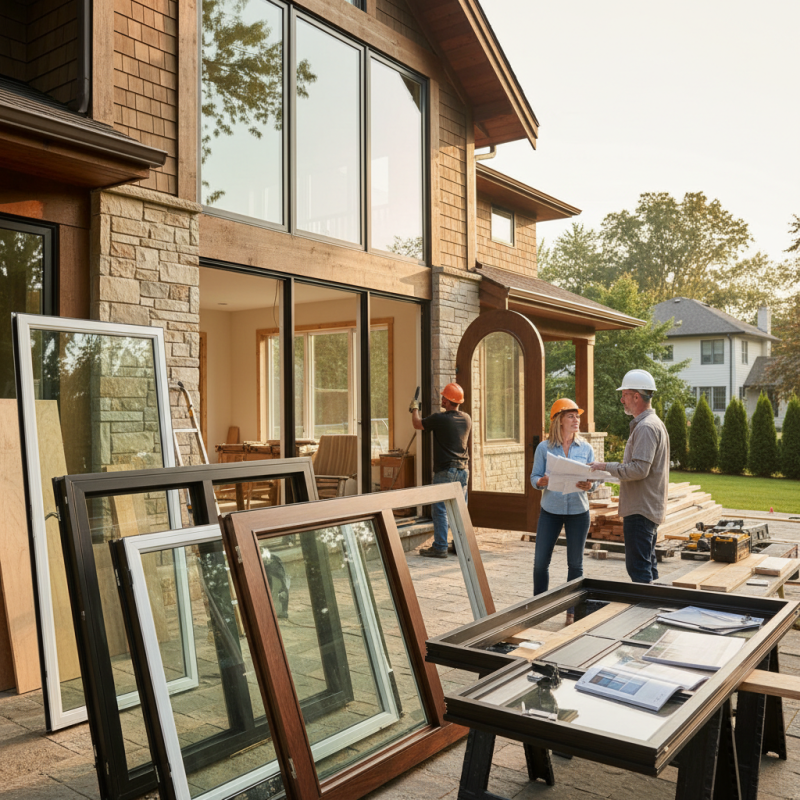
Understanding the Different Types of Doors and Windows Available
When considering the different types of doors and windows available for home improvement projects, it’s essential to understand the varying options and their respective benefits. According to a report by the U.S. Department of Energy, over 25% of residential heating and cooling costs are attributed to inadequate windows and doors. Therefore, selecting energy-efficient models can significantly impact energy consumption and overall utility costs. Options such as double-glazed windows and insulated doors can help reduce energy loss, providing both comfort and savings in the long run.
In addition to energy efficiency, choosing the right materials is crucial for durability and aesthetics. Options range from traditional wooden doors and windows, which offer timeless appeal, to modern materials such as fiberglass and vinyl that require less maintenance and provide better insulation. A study from the National Association of Realtors indicates that architectural design can increase a property’s market value by 10-15%, making the selection of exterior features even more vital for resale potential. Homeowners should carefully evaluate their needs, considering factors like climate, style preferences, and long-term benefits, to make informed decisions that enhance both the functionality and beauty of their homes.
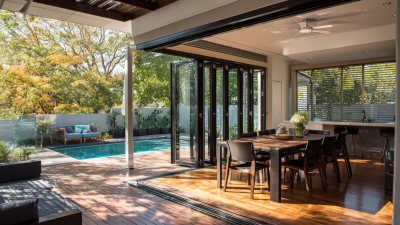
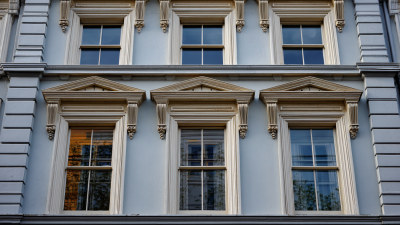
Types of Doors and Windows for Home Improvement
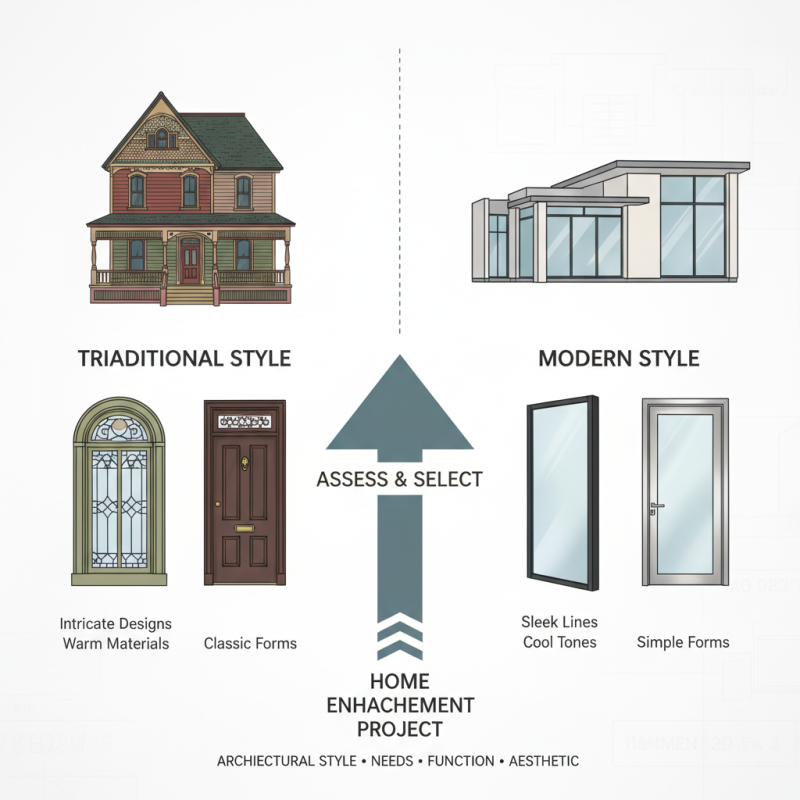
Assessing Your Home's Architectural Style and Needs
When starting a home improvement project, it’s essential to assess your home’s architectural style and needs. This evaluation serves as a foundation for selecting doors and windows that not only fit aesthetically but also enhance your home’s functionality. Begin by examining the existing design elements of your house—whether it’s traditional, modern, or rustic. Each style has specific characteristics in terms of color, material, and form, which should guide your choices. For instance, a Victorian home may benefit from intricate, decorative windows, while a contemporary home might look better with sleek, minimalist frames.
Additionally, consider the practical needs of your household. Factors such as energy efficiency, security, and noise reduction are crucial for modern living. For instance, if your home is located in a noisy neighborhood, opting for double-glazed windows can significantly reduce outside noise while improving thermal insulation. Similarly, if your region experiences extreme weather, choosing robust doors and windows designed for weather resistance will ensure longevity and safety. By carefully assessing these elements, you can choose doors and windows that not only suit your home’s architectural style but also cater to your family’s lifestyle requirements.
Evaluating Materials: Wood, Vinyl, Aluminum and More
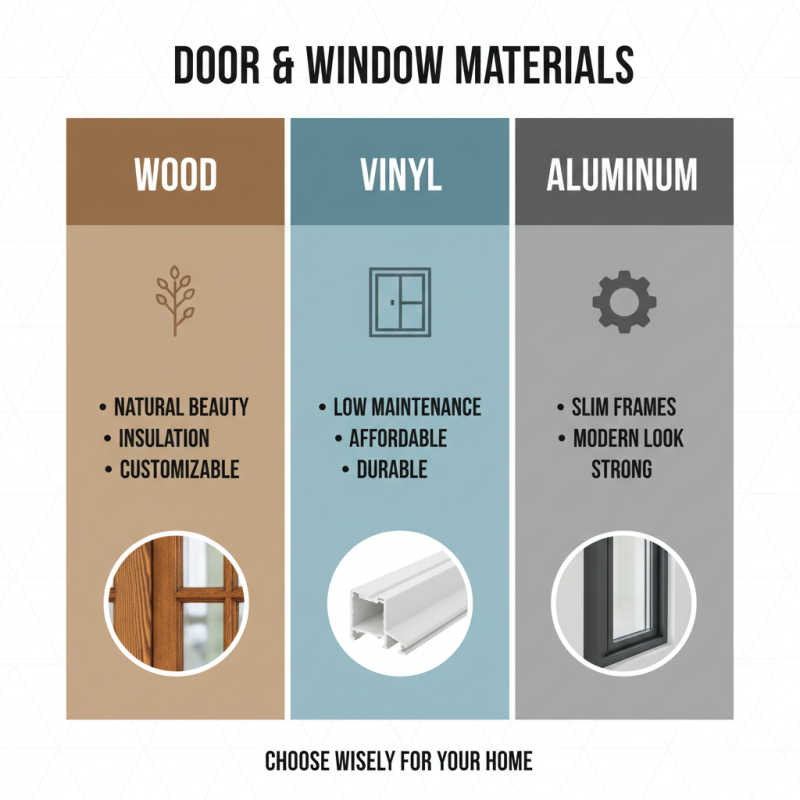
When embarking on a home improvement project, selecting the right materials for doors and windows is crucial. Among the foremost options are wood, vinyl, and aluminum, each offering unique advantages and aesthetic appeal.
Wood is often favored for its classic look and natural insulation properties. It provides warmth and can be easily painted or stained to match the home’s interior and exterior. However, wood requires regular maintenance to guard against warping, rotting, and pests, which can be a significant consideration for homeowners seeking longevity without excessive upkeep.
On the other hand, vinyl has gained popularity due to its durability and low maintenance requirements. Vinyl doors and windows are resistant to fading, cracking, and peeling, making them an excellent choice for various climates. They come in a variety of colors and styles, although they may not offer the same traditional elegance as wood. Aluminum, known for its strength, is often chosen for modern designs and large openings. It is lightweight, resistant to corrosion, and can provide sleek, minimalist aesthetics. However, it tends to conduct heat, so proper insulation is necessary to enhance energy efficiency. Each material holds its advantages and can significantly influence the effectiveness and style of your home improvement project.
Energy Efficiency Considerations for Doors and Windows
When selecting doors and windows for your home improvement project,
energy efficiency is a critical consideration.
According to the Department of Energy, proper sealing and insulation of windows and doors can lead to energy savings of
10-25% on heating and cooling costs.
The Energy Star program highlights that high-performance windows can reduce energy bills by
$126 to $465 annually, depending on climate and location.
Thus, choosing energy-efficient options not only contributes to environmental sustainability but also significantly lowers long-term expenses.
Tips for improving energy efficiency include selecting
double or triple-pane windows, which have a layer of gas trapped between the panes that acts as an insulator.
Additionally, look for windows with
low-emissivity (Low-E) coatings that reflect heat back indoors in the winter while keeping it out during the summer.
For doors, ensure they are made from solid, insulated materials and have weather stripping to prevent air leaks.
Incorporating these energy-efficient doors and windows into your home can also enhance indoor comfort.
Properly installed, energy-efficient models minimize drafts and prevent condensation, creating a more stable and pleasant living environment.
Remember, the initial investment in energy-efficient products can yield substantial savings on utility bills over time,
making them a wise choice for any home improvement project.
Installation and Maintenance Tips for Long-Lasting Performance
When embarking on a home improvement project, selecting the right doors and windows is crucial not only for aesthetics but also for energy efficiency and longevity. According to the U.S. Department of Energy, proper installation of energy-efficient windows can reduce energy bills by up to 15%, underscoring the importance of not just choosing the right products but also ensuring that they are installed correctly. A well-installed window or door can significantly enhance your home's insulation, mitigate noise, and improve overall comfort.
Tips for installation include ensuring that all frames are level and plumb before sealing and finishing. Additionally, using weatherstripping can help prevent air leaks, which is essential for maintaining energy efficiency. Regularly inspect your windows and doors for any signs of wear or damage; this proactive maintenance can help prolong their lifespan. A study from Remodeling Magazine shows that timely maintenance can lead to improved energy efficiency, with homes experiencing a 10-20% increase in energy savings when windows and doors are well cared for.
To maximize performance, it’s important to consider the materials used in your windows and doors. For instance, vinyl materials typically have a lifespan of 20-40 years, while wood might require more upkeep but offers excellent insulation properties. Always opt for Energy Star-rated products, which can offer additional savings over time. By prioritizing installation and maintenance, homeowners can ensure their choices lead to a durable and efficient outcome.