How to Choose the Best Patio Doors for Your Home?
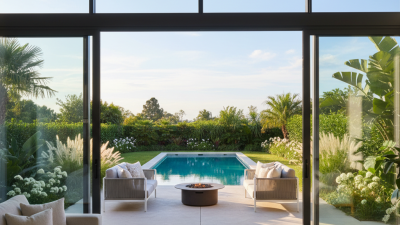
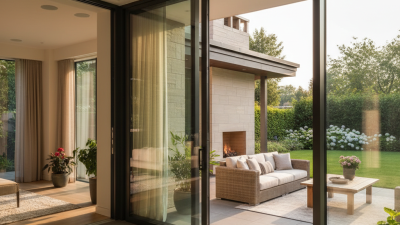
Choosing the right patio doors for your home can significantly impact your living space. Expert Karen Smith, a renowned designer in the patio doors industry, states, "The perfect patio door can seamlessly blend your indoor and outdoor spaces." She emphasizes the importance of aesthetics and functionality when selecting the best options.
When exploring patio doors, consider materials and styles that suit your home. Sliding doors offer space-saving features, while French doors provide elegance and openness. Each choice carries unique benefits and potential drawbacks. It’s essential to balance visual appeal with security and energy efficiency.
Think about the climate in your area. For instance, regions with heavy winds may require sturdier models. Reflecting on these factors will help refine your choices. In the end, the right patio doors should enhance your home’s character while serving practical needs. Trust your instincts, gather insights, and make a decision that feels right for your space.
Understanding Different Types of Patio Doors and Their Features
When it comes to patio doors, understanding the different types and their features is crucial for making an informed choice.
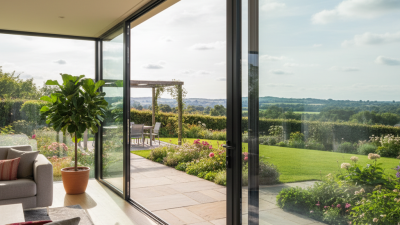
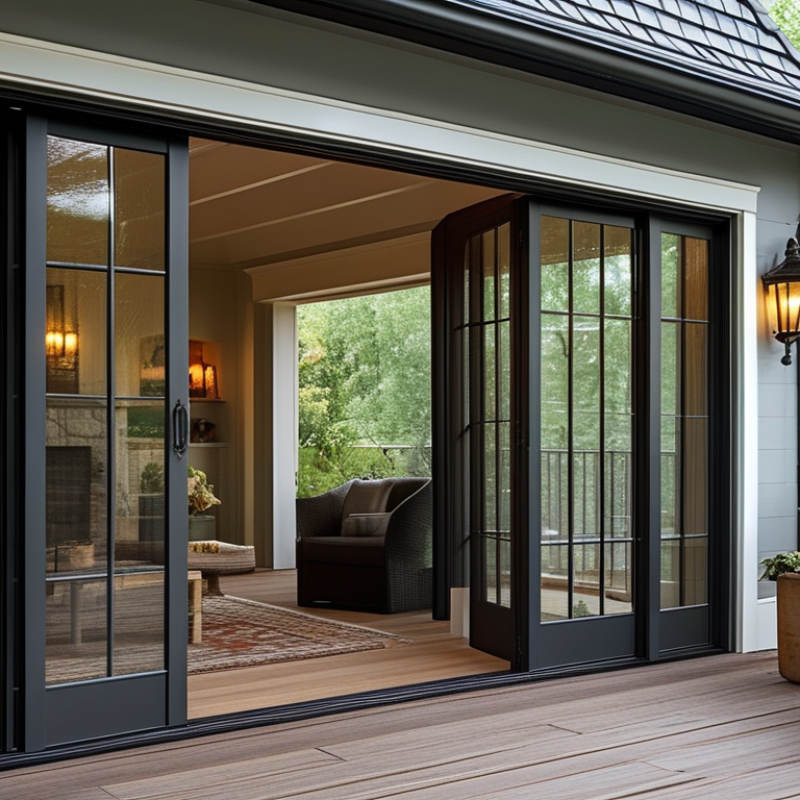
Sliding doors are popular for their space-saving design. They glide smoothly along a track, making entry easy. Many people appreciate the expansive glass, allowing natural light to flood the room. However, these doors can be challenging to clean, especially when dirt collects in the tracks.
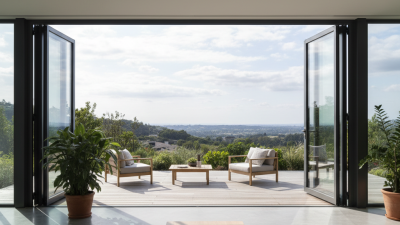
Bi-fold doors are another option, providing a dramatic opening to the outdoors. They fold neatly when opened, creating a spacious feel. These doors come in various materials like wood or aluminum. While they offer amazing views, they can also require more maintenance. Regularly checking the hinges and seals is necessary to prevent issues over time.
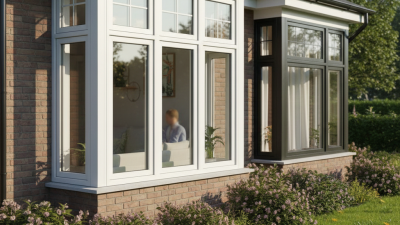
French doors have a classic appeal. They swing open and can create a charming entryway. Their design enhances curb appeal, but they require ample space to function properly. Homeowners should consider how they will open; obstructions can lead to frustration. Each type has its benefits and drawbacks, which makes thoughtful consideration essential.
Evaluating Material Options for Durability and Aesthetics
When evaluating patio door materials, consider durability and aesthetics. Each material offers unique benefits and challenges. For example, wood provides a warm, classic look. However, it requires regular maintenance to prevent rot and warping. If you enjoy a natural aesthetic, this could be an appealing choice.
On the other hand, fiberglass is a strong competitor. It mimics wood's beauty but requires less upkeep. This material stands up well against harsh weather. It can be a smart option for those who prioritize longevity. Don't overlook vinyl, either. It's economical and energy-efficient. Yet, some may find it lacks the charm of natural materials.
Think about your home's style and local climate. A door that looks great but doesn't perform well can lead to discontent. Explore how each option aligns with your lifestyle. Durability is crucial, but aesthetics matter just as much. Make a decision that balances these factors carefully.
Ensuring Proper Sizing and Installation Requirements
When selecting patio doors, proper sizing is crucial. Measure the existing opening carefully before making any decisions. Inaccurate measurements can lead to significant installation issues. A door that is too large may not fit, while one that is too small could leave gaps. Always account for the door frame and ensure that the height and width are accurate.
Installation requirements also play a vital role. Some doors need specific structural support, especially if they are heavier models. Consider weight capacity when choosing materials. If you're opting for sliding doors, ensure the track is level. Poor leveling can lead to operational problems over time. It's essential to think about the weather seal, which can prevent air and water leaks.
Consider consulting a professional for advice. Their experience can help navigate the complexities of installation. Incorrect installations can cause more than just aesthetic issues. They can lead to increased energy costs or even damage to your home's interior. Quality installation, based on correct sizing, provides long-term benefits and peace of mind.
Considering Energy Efficiency Ratings and Benefits
When selecting patio doors, energy efficiency ratings play a crucial role. These ratings reveal how well a door can insulate and reduce energy loss. Look for doors with low U-factors and high Solar Heat Gain Coefficient (SHGC) values. A lower U-factor indicates better insulation, which keeps your home warmer in winter and cooler in summer. High SHGC ratings help manage solar heat, especially in sunny climates.
It's also important to consider the materials used in your patio doors. Vinyl and fiberglass options often provide better energy efficiency compared to wood or aluminum. Real-world performance can vary, so reading reviews and seeking advice from professionals can be beneficial. Sometimes, what seems like an energy-efficient choice may not perform well due to installations or local climate factors. Ensuring proper sealing and installation can significantly impact overall energy performance.
Many homeowners overlook maintenance requirements. While some materials are low-maintenance, others may require periodic adjustments to maintain energy efficiency. It’s wise to assess your own capacity for maintenance before making a decision. An informed choice can lead to long-lasting comfort and savings on energy bills.
Exploring Security Features for Enhanced Safety in Patio Doors
When selecting patio doors, security features should be a top priority. Look for doors constructed from strong materials, such as fiberglass or steel. These materials resist force and deter break-ins. Consider models that offer multiple locking mechanisms. Deadbolts, slide bolts, and hook locks can significantly enhance security.
Another important aspect is the type of glass used in the doors. Tempered or laminated glass provides better resistance to impact. These panes can withstand more pressure and are less likely to shatter. Using shatter-resistant film can also add another layer of security. This addition keeps the glass intact, even if someone tries to break through.
Don't overlook the installation process. Poorly installed doors can create vulnerabilities. Always seek professional help for proper fitting and sealing. Ensure that door tracks are sealed well to prevent tampering. Even small gaps can be exploited by intruders. Regularly check the doors for any signs of wear and tear as well. Security is not just about the features; consistent maintenance is crucial.