How to Choose the Best Aluminum Alloy Profile for Your Needs?
Choosing the right Aluminum Alloy Profile is crucial for various applications. Whether you're building structures, creating frames, or designing components, the right profile can significantly impact performance and durability. Aluminum alloy profiles come in various shapes, sizes, and strengths. It’s important to consider specific requirements before making a decision.
Different industries rely on aluminum alloy profiles for their unique needs. For example, the automotive sector demands lightweight yet strong materials. On the other hand, construction often requires profiles that withstand harsh weather. Understanding these requirements is essential.
Evaluating the properties of different aluminum alloys can be overwhelming. Not all profiles are suitable for every application. If a profile lacks the needed strength or corrosion resistance, it might lead to failures. Always consider the environment in which the profile will be used. Making an informed choice can save time and resources in the long run.
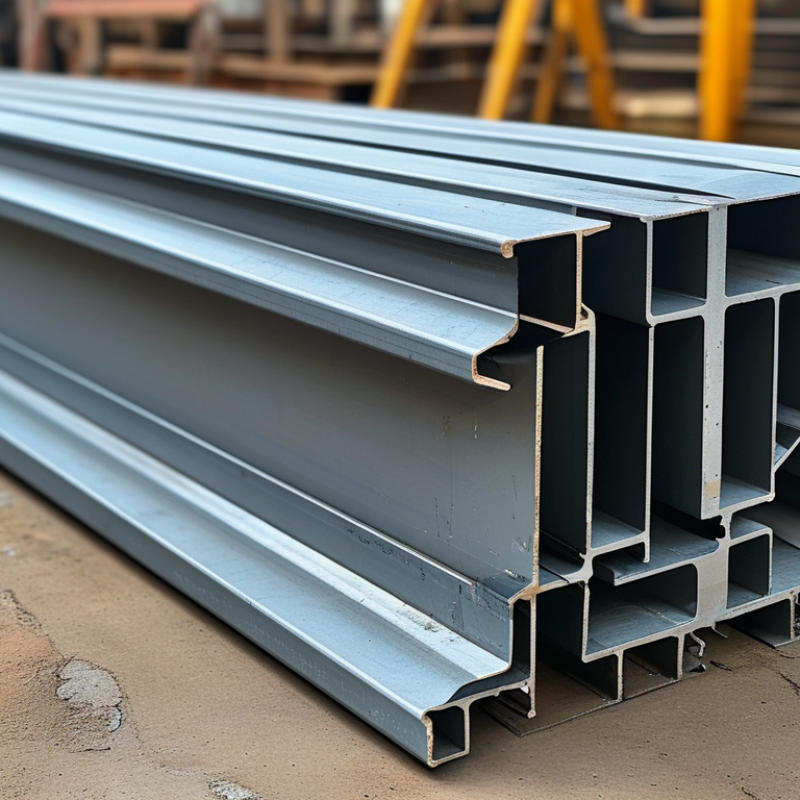
Understanding Aluminum Alloys: Key Properties and Types
When it comes to selecting aluminum alloys, understanding their key properties is crucial. Aluminum alloys are primarily classified into two categories: wrought and cast alloys. Wrought alloys are shaped by mechanical processes, such as rolling or extrusion. They offer excellent strength and ductility. On the other hand, cast alloys are created by pouring molten aluminum into a mold. They tend to have complex shapes but may have lower mechanical properties compared to wrought varieties.
Key properties to consider include tensile strength, corrosion resistance, and thermal conductivity. For example, aerospace applications require alloys that withstand high stress while maintaining a lightweight. In contrast, architectural applications may prioritize corrosion resistance and aesthetic qualities. It's also important to note that not all alloys are suitable for all applications. The choice of alloy often involves trade-offs, such as strength versus weight.
Sometimes, finding the perfect alloy can be challenging. You may encounter alloys that seem ideal on paper but perform differently in practice. Testing and trials can reveal shortcomings that aren’t obvious initially. It’s essential to reflect on your project's specific requirements and be prepared for adjustments. Understanding aluminum alloys deeply will guide you in making informed decisions for your unique applications.
Understanding Aluminum Alloys: Key Properties and Types
Assessing Your Project Requirements and Application Needs
When evaluating your project requirements, the selection of the right aluminum alloy profile becomes crucial. Factors such as strength, corrosion resistance, and weight must align with your application needs. For instance, the 6061 aluminum alloy is widely recognized for its medium strength and good weldability. It is often used in structural applications, but might not be ideal for marine environments due to its moderate corrosion resistance.
Consider the specific demands of your project. If you need a high strength-to-weight ratio, 7005 aluminum alloy might be worth exploring. This alloy is stronger but may require more precise fabrication techniques. In contrast, when working in food or medical applications, you may prioritize alloys with better corrosion resistance, like 5083, which excels in marine and chemical environments.
Industry data shows that nearly 60% of structural failures result from material mismatch. This highlights the importance of properly assessing your project needs. It's essential to conduct a thorough evaluation of mechanical properties and environmental conditions. Notably, choosing an inappropriate alloy can lead to performance issues or increased costs. Balancing performance with your project’s specific conditions is key to making an informed decision.
Evaluating Strength, Weight, and Corrosion Resistance Factors
When selecting an aluminum alloy profile, three crucial factors often emerge: strength, weight, and corrosion resistance. Understanding these attributes is vital. For instance, the strength-to-weight ratio of alloys such as 6061 and 7075 is well-documented. The Aluminum Association reports that 7075, while stronger, is about 10% heavier than 6061, which may affect usability in weight-sensitive applications.
Corrosion resistance is another important consideration. Alloy compositions with higher zinc content typically exhibit reduced corrosion resistance. According to a study by the U.S. Department of Transportation, optimal corrosion resistance often lies within alloys like 5052 and 6063. These alloys are favorable for marine and architectural applications due to their enhanced resistance to environmental elements.
Balancing these factors can be challenging. For example, some may prioritize strength over weight, leading to compromises in flexibility. Others might seek lighter options but sacrifice overall durability. Assessing application-specific requirements helps mitigate such trade-offs. It's essential to consult reliable data and industry standards to make informed decisions. The choice of aluminum profiles can significantly influence longevity and performance across various sectors.
How to Choose the Best Aluminum Alloy Profile for Your Needs?
| Alloy Series | Strength (MPa) | Weight (g/m2) | Corrosion Resistance | Common Applications |
| 6061 | 240 | 2.70 | Good | Structural components, automotive parts |
| 7075 | 570 | 2.81 | Fair | Aerospace structures, high-stress applications |
| 5005 | 190 | 2.68 | Excellent | Architectural applications, decorative designs |
| 2024 | 480 | 2.78 | Moderate | Military and aerospace applications |
| 3003 | 110 | 2.70 | Good | Cookware, chemical equipment |
Identifying Cost-Effectiveness and Availability of Materials
When selecting aluminum alloy profiles, cost-effectiveness and material availability are crucial factors. Researching local suppliers can reveal a range of options. Often, local availability lowers shipping costs and waiting times. However, limited selections may lead to compromises on specifications. This balance can be tricky.
Consider your project's specific needs. Some alloys are cheaper but may lack strength or durability. Others might be more expensive due to their superior properties. Evaluate the long-term benefits and potential risks of each option. This can be challenging, as prices fluctuate based on market conditions.
Sourcing aluminum profiles can also present unexpected challenges. Supply chain disruptions can delay projects unexpectedly. It’s important to stay informed about market trends. Engage with industry experts or community forums to gain insights. This collaboration often reveals valuable alternatives that might meet your needs. Emphasizing local sourcing can help avoid these pitfalls while ensuring you receive quality materials.
Consulting with Experts and Suppliers for Informed Choices
Choosing the right aluminum alloy profile can be daunting. Engaging with industry experts is vital. They have the experience to guide you in making informed decisions. Suppliers, too, can provide insights based on market trends and material properties. Consulting these individuals can help clarify your specific needs.
When selecting an aluminum profile, consider the application. Different alloys have unique properties. Some may have higher strength, while others offer better corrosion resistance. Discuss your project with experts to ensure you fully understand these characteristics. Ask specific questions about load-bearing capacity and environmental factors. Their responses can highlight areas you might overlook.
Be open to feedback. Sometimes, suppliers may recommend an option that doesn’t align with your initial thoughts. This can be frustrating but leads to improved outcomes. Reflecting on their expertise often reveals considerations you hadn't thought of before. In the end, the right profile enhances both the performance and longevity of your project.