
How to Choose Aluminium Colonial Windows in 2026

Choosing Aluminium Colonial Windows in 2026 involves more than matching a traditional grid pattern. The right decision combines heritage character, thermal performance, security, and dependable installation. Colonial windows should look refined from the street, yet perform quietly through cold mornings, summer heat, and heavy rain.

Mike Holmes, a Canadian contractor and building-performance advocate, has often stressed, “A window is only as good as its installation.” That principle remains practical. Even high-quality aluminium frames can leak air when measured openings, flashing, or drainage are handled poorly. Check the installer’s completed projects, not only online promises. Ask for documented U-values, air-leakage results, glass specifications, powder-coating standards, and warranty conditions.

Look closely at the frame details. Thermal breaks can reduce heat transfer through the aluminium. Double glazing may suit moderate climates, while low-emissivity glass can improve comfort near large openings. However, specifications should match the local climate and building envelope. Bigger glass areas may create stronger views, but they can also increase solar gain and maintenance.

The grid design deserves equal attention. Too many bars can make a room feel darker. Too few may weaken the colonial appearance. Mock up the proportions with cardboard or a digital elevation before ordering. It feels basic. It prevents expensive regret.

There is no perfect window. Budget, ventilation, heritage expectations, coastal exposure, and cleaning access all influence the final choice. A reliable supplier will explain these compromises clearly. That openness matters more than an impressive brochure when selecting Aluminium Colonial Windows for 2026.
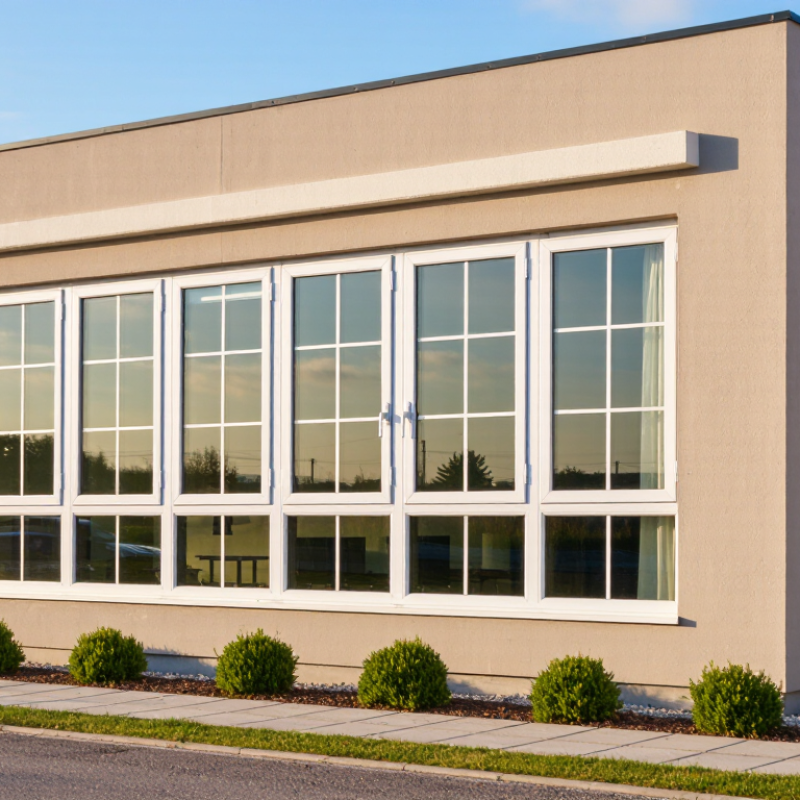
How to Choose Aluminium Colonial Windows in 2026

Define the Features and Historical Style of Aluminium Colonial Windows

Aluminium Colonial windows combine a traditional sash pattern with a modern metal frame. Their familiar features include vertically sliding double-hung sashes, balanced proportions, and divided-light grids, often arranged in a six-over-six pattern. Colonial architecture varied by place and period, so that pattern is a reference, not a rule. The aim is to echo historic rhythm without making the frame look like a pasted-on costume.

Look closely at the grid. Fixed bars applied to glass can create a different appearance from bars dividing individual panes. Frame width matters, too: overly broad profiles may crowd the glass and weaken the delicate look. Small details matter. Check sightlines from inside and outside, and compare the window with existing trim, shutters, and façade symmetry. A precise match may still feel wrong if the house has been altered over time.

Performance deserves equal attention. The U.S. Department of Energy’s Energy Saver guidance estimates that windows account for about 25–30% of residential heating and cooling energy use. For a 2026 purchase, compare tested U-factor and solar heat gain coefficient ratings on National Fenestration Rating Council labels, not appearance alone. Thermal-break aluminium frames can reduce heat transfer, but results depend on the whole window and installation. A perfect historical replica is not always the best answer; sometimes a restrained grid and slimmer frame suit the building better.

How to Choose Aluminium Colonial Windows in 2026

Colonial window design is defined by balanced proportions, rectangular sash geometry, divided-light patterns and a strong emphasis on symmetry. Aluminium frames can reproduce these historical cues while providing low maintenance, dimensional stability and slim sightlines.

Historical Style Guide

6-over-6: Six panes in the upper sash and six in the lower sash. This is one of the most recognizable Colonial-inspired arrangements.

6-over-9: A traditional divided-light layout with different pane counts between the two sashes, often used to create a more decorative appearance.

9-over-9: A denser grid that suits larger openings while maintaining the ordered rhythm associated with Colonial architecture.

12-over-12: A finely divided pattern with small panes, historically associated with more formal façades and larger traditional windows.

Aluminium Features to Check in 2026

  • Thermally broken frames to reduce heat transfer through the aluminium profile.
  • Low-emissivity insulating glass for improved thermal performance.
  • Authentic-looking glazing bars, either applied or integrated, to preserve the divided-light appearance.
  • Double-hung or vertically proportioned sash operation to support the Colonial silhouette.
  • Durable powder-coated finishes and corrosion-resistant hardware for reduced maintenance.
  • Accurate frame proportions, consistent sightlines and a symmetrical layout across the elevation.

The chart shows the literal number of visible panes in common Colonial-inspired sash layouts. “Over” refers to the upper sash followed by the lower sash.

Assess Window Materials, Thermal Performance, and Durability

How to Choose Aluminium Colonial Windows in 2026

Assess Window Materials, Thermal Performance, and Durability

Aluminium suits Colonial windows because its slim frames preserve traditional proportions and admit more daylight. However, untreated metal transfers heat quickly. Choose frames with continuous thermal breaks, insulated glazing, and correctly sealed joints. The U.S. Department of Energy estimates that windows can cause 25–30% of residential heating and cooling energy use. Small specification errors become expensive indoors.

Read the National Fenestration Rating Council label carefully. A lower U-factor indicates better insulation, while Solar Heat Gain Coefficient shows how much sunlight enters. In warm climates, lower SHGC can reduce afternoon heat. In colder regions, moderate solar gain may support passive warmth. Do not compare U-factors without checking the same glass, spacer, and frame configuration.

Durability needs more than a thick frame. Look for corrosion-resistant finishes, drainage paths, replaceable seals, and tested air and water resistance. The American Architectural Manufacturers Association’s performance standards provide useful benchmarks for coating quality and weather exposure. Coastal homes need extra attention to fasteners and salt-laden air. A practical inspection should include corner joints and sill weep holes.

I would not choose purely by appearance. Colonial detailing can hide weak thermal performance. Yet laboratory ratings are not the whole story. Poor installation can undermine excellent products, and I have seen elegant windows fail around unsealed perimeters. That detail is easy to overlook.

Choose Suitable Colonial Window Designs for Each Room and Exterior

How to Choose Aluminium Colonial Windows in 2026

Choose colonial window designs according to each room’s purpose, not just the façade. In living rooms, wide aluminium windows with balanced grid patterns can bring in daylight without losing the colonial character. Slim horizontal panes suit kitchens, where ventilation and easy cleaning matter. For bedrooms, consider smaller openings, privacy glass, and secure multi-point locking. A quiet frame helps at night.

Bathrooms need moisture-resistant finishes and obscure glass. Keep the muntin pattern simple. Too many small panes can make a compact room feel crowded. In studies or hallways, taller windows can create a stronger vertical rhythm. I once selected an attractive six-over-six design for a narrow room, but the heavy grid reduced useful light. The proportions looked right outside, yet felt darker indoors.

Exterior windows should match the building’s scale, roofline, and surrounding materials. Warm white, muted grey, and deep green finishes can support traditional façades without copying old timber exactly. Powder-coated aluminium usually needs little maintenance, but exposed coastal homes still require regular cleaning and hardware checks. Use low-emissivity glazing where summers are intense, and choose double glazing when winter heat loss is a concern. Local wind, rain, and building requirements should guide the final specification. A beautiful pattern is not enough. Test the sample beside the brickwork before ordering.

How to Choose Aluminium Colonial Windows in 2026 – Suitable Designs for Every Room and Exterior

Room or Exterior Area Suitable Colonial Design Practical Window Style Glazing and Comfort Considerations Selection Checks
Front façade Balanced, symmetrical grille layout that complements the home’s scale and existing trim. Fixed, awning, or casement windows, selected to suit the opening and ventilation needs. Choose glazing suited to the local climate and required energy performance; consider low-emissivity glass where appropriate. Check sightlines, grille proportions, exterior colour requirements, and applicable building rules.
Living room A larger pane with evenly spaced colonial-style grilles can preserve a traditional appearance while admitting daylight. Fixed units for broad views; operable casement or awning units where fresh-air ventilation is desired. Consider solar heat gain, glare, and orientation. Select safety glazing where required by code or location. Confirm furniture clearance, opening access, and whether the grille pattern aligns with nearby windows.
Kitchen A simple grille pattern keeps the window visually consistent without making a smaller opening feel busy. Awning or casement styles can provide ventilation; choose hardware and placement that are easy to reach. Use suitable safety glazing where required, especially near doors or other locations specified by local codes. Measure clearance from taps, counters, cabinets, and appliances before choosing an outward-opening sash.
Bedroom A consistent grille pattern creates a calm, traditional look and can match the front elevation. Choose an operable style that supports ventilation and can be operated safely from inside. Consider insulating glass, weather seals, and acoustic needs. Egress requirements vary by jurisdiction and room conditions. Verify required emergency escape opening dimensions, sill height, and operation with the local building authority.
Bathroom A compact grille layout maintains the colonial character while allowing privacy glass to remain the visual focus. Awning or top-hung styles can offer ventilation while limiting direct sightlines, subject to the layout. Use obscure or otherwise privacy-rated glazing where needed; provide appropriate ventilation to manage moisture. Check privacy from neighbouring properties, wet-area safety-glazing rules, and hardware access.
Hallway or stairwell Use a simple, vertically balanced grille pattern that relates to nearby windows. Fixed glazing can bring in daylight where opening access is limited; operable units may suit accessible locations. Specify safety glazing if the window falls within a code-defined hazardous location. Check stair clearance, fall-protection requirements, and cleaning access at height.
Coastal or exposed exterior Keep grille proportions consistent with the home, while prioritising a suitable window system for the exposure. Select the opening type and frame configuration according to wind exposure and project requirements. Ask for performance information appropriate to local wind, water, and air-infiltration conditions. Aluminium finish maintenance depends on exposure. Confirm tested performance, finish suitability, drainage details, and maintenance guidance for the site.
Whole-home consistency Repeat a limited set of grille patterns and align sightlines where practical; vary them only when opening sizes or room needs justify it. Mix fixed and operable units according to ventilation, access, and cleaning requirements. Compare complete-window energy and performance ratings where available, not just the glass description. Obtain accurate opening measurements and confirm installation details, warranties, local code compliance, and maintenance instructions.

Note: Window performance, safety-glazing locations, bedroom egress rules, and wind-load requirements vary by climate, building design, and jurisdiction. Confirm specifications with a qualified window professional and the local building authority before ordering.

Compare Glass Options, Security Features, and Energy Ratings

When choosing aluminium colonial windows in 2026, start with the glass, not the decorative grid. Double glazing suits many homes, while triple glazing can improve warmth and reduce outside noise. Low-emissivity coatings help retain indoor heat during cold weather. Solar-control glass may reduce overheating in sun-facing rooms. Check the label.

Look for the whole-window energy rating, not glass performance alone. A low U-value usually indicates better insulation, but climate and window orientation also matter. Solar heat gain can be helpful in winter and uncomfortable in summer. Ask for certified test data and installation details. Ratings differ between regions, so compare like with like. I have seen well-rated windows perform poorly after careless fitting around the frame.

Security needs layers. Laminated glass can remain partly bonded after impact, making forced entry more difficult. Multi-point locking systems, strong hinges, and internal beading add useful resistance. Opening restrictors may help upstairs, but they should not obstruct emergency escape. Small details matter. Inspect lock alignment, drainage paths, and frame joints before approving the order. Colonial glazing bars can be fixed inside the sealed unit or applied to the surface. The first option is easier to clean, although it may look slightly less traditional. My practical preference is clear glazing with restrained bars, but this is not universal. A darker frame can highlight the pattern beautifully, yet it may absorb more heat in direct sunlight. Ask for a physical sample beside your wall finish before deciding.

Plan Measurements, Installation, Maintenance, and Long-Term Costs

How to Choose Aluminium Colonial Windows in 2026

Measure each opening at three points: top, middle, and bottom. Record width, height, wall depth, and diagonal differences. Older masonry rarely stays perfectly square. A small error can create drafts, difficult locks, or expensive alterations. Photographing reveals, sills, and nearby drainage also helps the installer plan accurately.

Ask a qualified installer to inspect the structure before ordering. They should explain fixing methods, thermal breaks, glazing options, ventilation, and local building requirements. Colonial-style grids can change daylight and cleaning time, especially on tall windows. Request a written installation scope, including flashing, sealants, interior finishing, and waste removal. Do not rely on a quick verbal estimate. It may sound reassuring, but details disappear later.

Maintenance is usually simple, yet neglect becomes costly. Clean frames and tracks with mild soapy water twice yearly. Keep drainage holes clear, and check seals after severe weather. Avoid abrasive tools. Budget for occasional hardware, gasket, repainting, and glazing repairs over the window’s service life. Compare the full cost, not only the purchase price. Better insulation may reduce heating demand, but savings depend on orientation, shading, room use, and existing insulation. I would leave a contingency allowance of around ten percent. Measurements can be wrong. Even experienced tradespeople miss concealed damage. A careful review before fabrication is cheaper than correcting a finished installation.

Before you go

Leave your projects details, and one of our team will reach out to answer any questions you may have