How to Choose Affordable Windows for Your Home Improvement Project?
When embarking on a home improvement project, selecting affordable windows can be a daunting task. Windows play a crucial role in the aesthetics and energy efficiency of your home. However, the options can be overwhelming. The market is filled with various styles, materials, and price points which may lead to confusion.
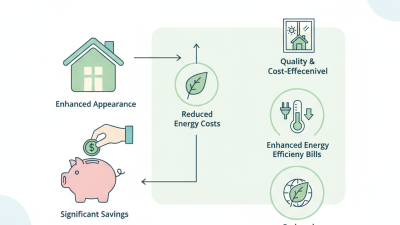
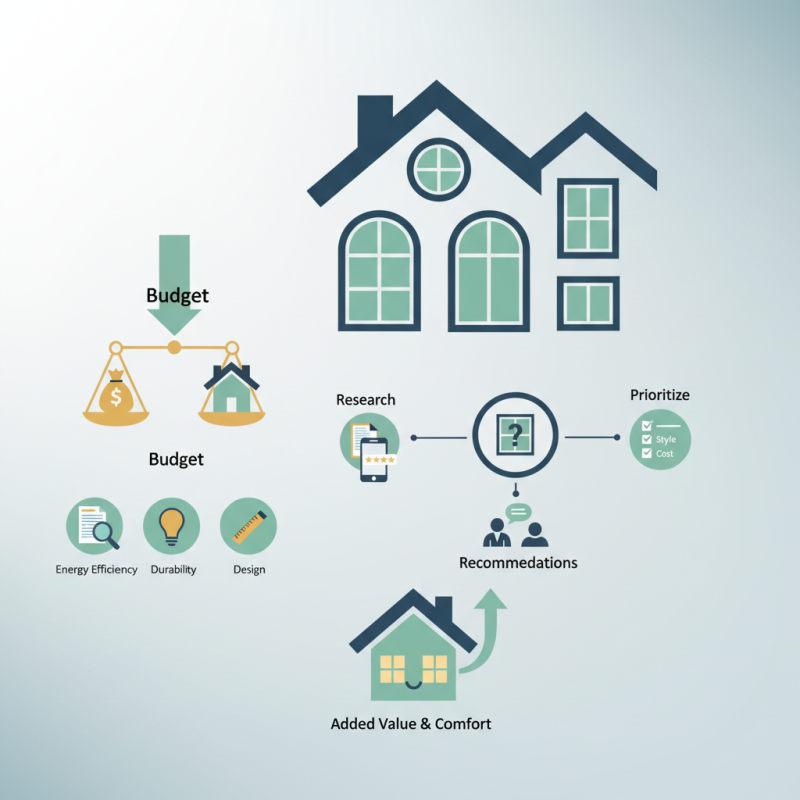
Choosing affordable windows doesn’t mean compromising on quality. It’s essential to balance cost with durability and design. Look for options that provide long-term savings on energy bills while enhancing your home’s appeal. Research is vital. Check reviews and ratings to ensure reliability. Ask for recommendations from friends and family who have made similar choices. These insights can guide you toward brands that specialize in affordable windows without cutting corners.
Understand that not every choice will be perfect. You may need to adjust your expectations based on your budget and style preferences. Reflecting on what features are most essential for your home will lead to a more satisfying decision. Ultimately, affordable windows can transform your space, adding value and comfort to your living environment.
Assessing Your Budget for Affordable Windows in Home Improvements
When planning a home improvement project, budgeting for affordable windows is crucial. A recent report by the National Association of Home Builders reveals that the average cost of replacement windows can range from $300 to $1,000 each. This wide price range means careful consideration is essential to avoid overspending. Evaluate your budget by comparing multiple estimates from reliable contractors.
Consider the long-term savings of energy-efficient windows. According to the U.S. Department of Energy, homeowners can save an average of $465 per year on energy bills with energy-efficient models. This could offset initial costs over time. Think about materials that suit your climate. Vinyl windows tend to be more affordable than wood, while aluminum is often less energy-efficient. Each choice impacts initial investment and future costs.
Be cautious of “too-good-to-be-true” deals. Low-priced windows can compromise quality and lead to higher replacement costs later. Understand the warranty and service agreements. Poor installation can cause issues down the line. Ensuring a reliable contractor is key to securing your investment in affordable, quality windows. Balancing upfront costs with long-term savings will direct you toward the right choice.
How to Choose Affordable Windows for Your Home Improvement Project?
| Window Type |
Material |
Average Cost ($) |
Energy Efficiency Rating |
Lifespan (Years) |
| Single-Hung |
Vinyl |
200 |
B |
15-30 |
| Double-Hung |
Vinyl |
250 |
B+ |
15-20 |
| Casement |
Aluminum |
300 |
A |
20-30 |
| Sliding |
Fiberglass |
350 |
A+ |
20-25 |
| Awning |
Vinyl |
275 |
B |
15-20 |
Understanding Different Types of Windows and Their Costs
When considering new windows for your home, understanding the different types available is crucial. There are several options like vinyl, wood, and fiberglass. Vinyl windows are popular due to their affordability and low maintenance. However, they may not offer the aesthetic appeal some homeowners desire.
Cost is a significant factor. Vinyl windows can range from $300 to $800 for standard sizes. Wood windows often start around $500, varying widely based on the species of wood used. Fiberglass windows tend to sit in the middle, starting at about $600. It's essential to think about not just the initial price, but also long-term durability. Cheaper windows may save money upfront, but could lead to higher costs down the road due to repairs or replacements.
Investing in energy-efficient windows can be beneficial. They help reduce heating and cooling costs. However, this efficiency often comes at a higher initial cost. It's a trade-off that needs consideration. Be sure to research local climate impacts on window longevity. Your region's weather may affect the performance of different materials.
Evaluating Energy Efficiency and Long-term Savings on Window Investments
When choosing windows for your home improvement project, energy efficiency is crucial. Windows significantly affect your home's heating and cooling. Selecting energy-efficient windows can lead to long-term savings on utility bills. Look for features like double or triple glazing, which trap air and reduce heat exchange.
Tips: Consider the window frame materials. Vinyl frames often offer better insulation than aluminum. Also, check for Energy Star labels to ensure compliance with efficiency standards.
Another factor is the window's solar heat gain coefficient (SHGC). This measures how much solar heat enters through the window. Lower SHGC values are ideal for hot climates. In cooler climates, you might prefer higher values for passive solar heating.
Tips: Understand how window placement affects heat gain. South-facing windows can collect more sunlight in winter. However, they might cause overheating in summer. It’s essential to balance sunlight and energy efficiency. Evaluate your home’s specific needs before finalizing your window choices.
Finding Reliable Suppliers and Comparing Quotes for Best Deals
When embarking on a home improvement project, securing reliable suppliers is crucial. Start by researching local suppliers who specialize in windows. Look for reviews online, as they offer insights into product quality and customer service. Check if they have a history of satisfied customers. A supplier with a positive reputation is often a good choice.
Once you have a list of potential suppliers, request quotes from each. Ensure you provide detailed specifications for your windows. This helps to get accurate and comparable prices. It's also wise to ask about warranties and installation services. Sometimes, the lowest quote may not cover all expenses, leaving you surprised later on.
As you compare quotes, highlight any inconsistencies. One quote might include installation, while another does not. Be aware of hidden fees that could inflate the final cost. Reflect on what you truly need and what fits your budget. Choosing windows requires careful consideration and due diligence. The right supplier can make all the difference.
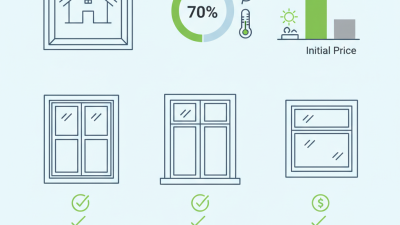
Affordable Windows Price Comparison for Home Improvement
This chart compares the average prices of different types of windows suitable for home improvement projects. The prices are based on typical market rates for energy-efficient options.
Considerations for Installation Costs and DIY Options for Windows
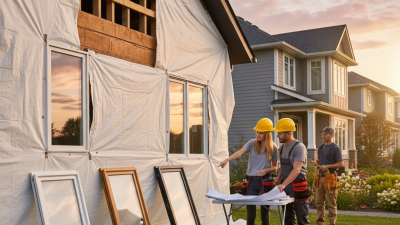
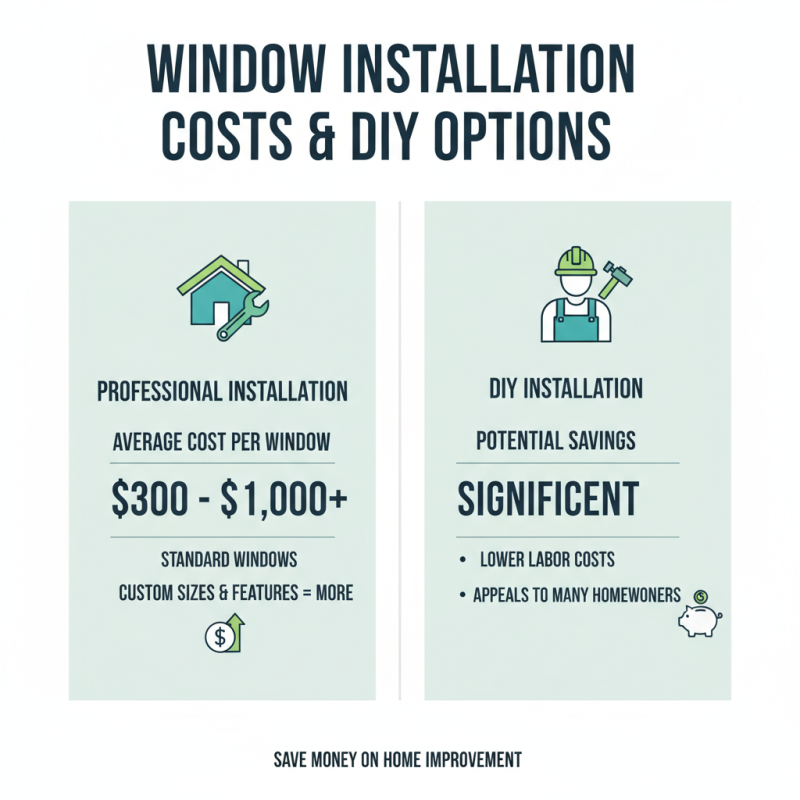
When considering windows for your home improvement, installation costs can vary significantly. The average cost for professional installation of standard windows ranges from $300 to $1,000 per window, according to a recent report from the Home Improvement Research Institute. This price can quickly escalate, especially if you need custom sizes or additional features. DIY installation is an appealing alternative for many homeowners seeking to save money.
However, opting for a DIY approach comes with its own challenges. A survey from Renovation Experts indicated that 30% of DIY window installers encountered issues such as improper sealing and misalignment. These problems can lead to drafts and energy inefficiency. Improper installation also risks damaging both the windows and the surrounding structure, which might incur more costs down the line. Homeowners must weigh the benefits of saving on labor against the risk of potential complications.
In addition to installation, consider material costs. Vinyl windows may be cheaper upfront, yet wood windows offer superior insulation and durability. A report from the U.S. Department of Energy shows that well-insulated windows can reduce heating and cooling costs by 7-15%. This long-term savings can outweigh initial installation expenses, especially in areas with extreme temperatures. Carefully evaluate these factors to ensure your investment is beneficial both now and in the long run.