China Best Timber Doors Supplier for Global Buyers?
Choosing the best timber doors supplier in China requires more than comparing catalogue prices. Global buyers need evidence of craftsmanship, material control, and dependable export experience. A reliable supplier should explain the wood species, moisture content, kiln-drying process, joinery, finishing system, and quality inspections. Details matter.
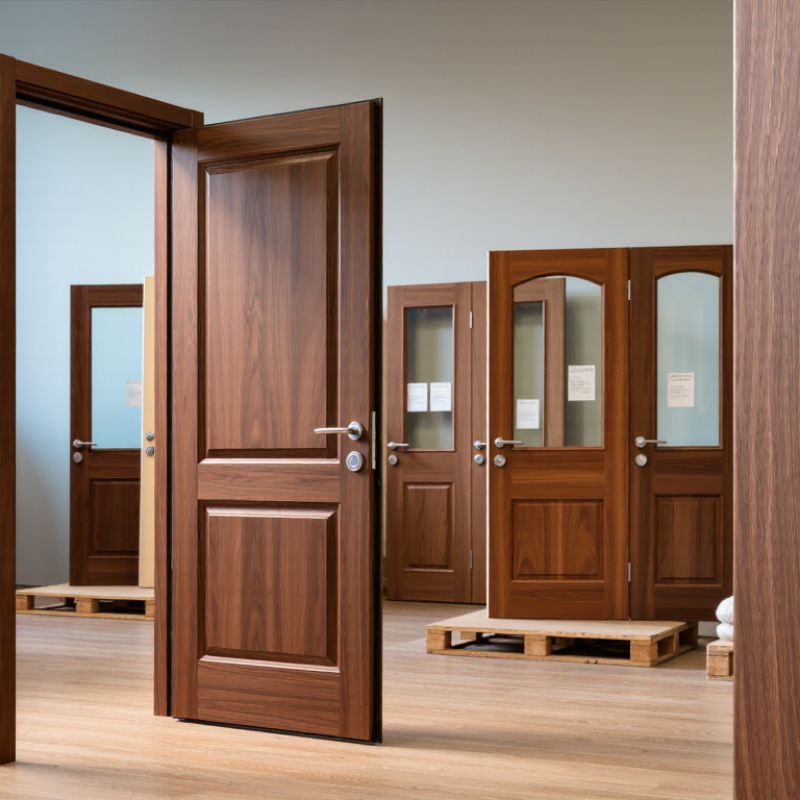
A well-made timber door should feel solid when opened. Its joints should align neatly, and its surface should remain stable through changing humidity. Suppliers serving overseas projects must also understand packaging, container loading, installation guidance, and destination climate conditions. These practical details often reveal more than polished factory photographs. However, no supplier is perfect. Even experienced manufacturers can face colour variation, transport damage, or delays during busy production periods.
Architect Andrew Waugh has said, “Wood is the only material that can be grown.” That idea gives timber doors lasting environmental value, but it also demands responsible sourcing and careful manufacturing. Buyers should request credible chain-of-custody documentation, product samples, inspection records, and clear warranty terms. They should also confirm whether testing applies to the exact door design, not merely a similar model. This guide examines why China has become a competitive source of timber doors, while questioning the assumptions behind low prices and broad quality claims. The strongest supplier is not always the cheapest. It is the one that communicates clearly, documents its process, and accepts reasonable scrutiny from design approval to final delivery. Reliability is demonstrated slowly. That is the point.
What Defines a Reliable Timber Door Supplier in China?
China’s Best Timber Door Supplier for Global Buyers?
What Defines a Reliable Timber Door Supplier in China?
A reliable timber door supplier proves quality through repeatable processes, not polished catalog images. Experienced buyers check wood species, moisture readings, joinery, and finishing samples before production. Kiln-dried timber should include recorded moisture data, often around 8–12% for interior projects. Exterior applications may require different targets. That detail matters. Ask for a full-size sample.
A professional supplier confirms drawings, tolerances, door swings, hardware positions, and packaging requirements. Before mass production, the approved sample should match the final order. A common site lesson is painful: a 3-millimeter frame mismatch can delay installation. Quality control should include inspections at timber preparation, assembly, sanding, painting, and packing stages. Clear photos and inspection reports make problems easier to trace.
Reliable suppliers also explain material limitations instead of promising perfection. They should provide legal timber sourcing records, product test documents, and export paperwork when required by the destination market. Fire, acoustic, and weather-performance claims need suitable testing, not vague certificates. A practical warranty should state response times, replacement terms, and responsibility for confirmed defects. No supplier is flawless. However, one that admits a production risk and proposes a control plan may be safer than one offering effortless promises. Small details often reveal the real standard.
Key Timber Species and Door Materials Used by Chinese Manufacturers
China Best Timber Doors Supplier for Global Buyers?
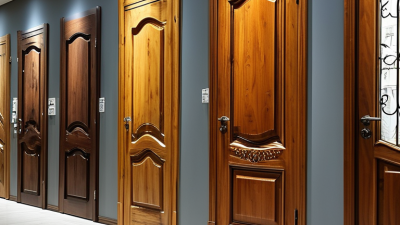
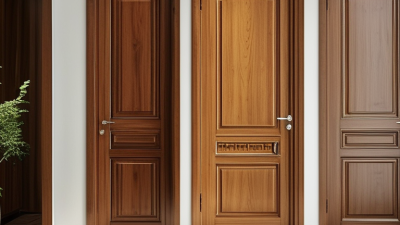
Chinese door manufacturers commonly use oak, ash, walnut, pine, fir, and rubberwood. Oak offers visible grain and strong impact resistance. Ash feels lighter, with a clear, straight texture. Walnut provides darker colour and a more premium appearance. Pine and fir reduce cost, but they need careful drying and surface protection.
Species labels are not enough. A skilled buyer should check moisture content, finger-jointed areas, veneer thickness, and core construction. Many factories combine natural timber with plywood, MDF, or laminated veneer lumber. This improves dimensional stability and controls cost. The FAO Global Forest Resources Assessment 2020 recorded 4.06 billion hectares of global forest. It also identified China as the largest net forest-area gainer from 2010 to 2020. The ITTO Biennial Review and Assessment 2023 continues to identify China as a major tropical timber market. These figures support demand, but they do not prove every supplier’s quality.
Tips: Request a species declaration, moisture test, core specification, and sample corner. Ask whether the frame and door leaf use the same material. I would also inspect unfinished sections. A beautiful coating can hide weak joints. My practical concern is inconsistency between samples and bulk production. Written tolerances matter more than attractive showroom photos. Certified sourcing and traceability should be verified through current documents, not promises.
How Chinese Timber Door Suppliers Manage Design and Production
Chinese timber door suppliers often begin with a detailed design brief from the buyer. It covers dimensions, wood species, surface finish, glass position, hardware, and fire-rating requirements. Experienced teams then convert these details into shop drawings and 3D visuals. This reduces misunderstandings before production begins.
Wood selection is handled carefully. Suppliers usually check moisture content before cutting, because unstable timber may warp after installation. Kiln-dried boards are sorted for color, grain, and visible defects. CNC machines create accurate profiles, while skilled workers refine edges and sand surfaces by hand. Small adjustments still happen. Wood is a natural material, not a perfect machine part.
Reliable production teams use approval samples before starting full orders. They record coating layers, color references, joint details, and inspection results. Quality staff may check door thickness, diagonal measurements, moisture levels, and hardware alignment. Export packaging also matters. Foam protection, corner guards, and reinforced cartons help reduce damage during long transport.
Communication remains part of production. Buyers should review drawings carefully and confirm tolerances, installation conditions, and local requirements. A late design change can affect both cost and delivery time. Suppliers may propose practical alternatives, but not every suggestion suits the building site. Clear records, honest feedback, and photographs from each production stage create stronger control for global buyers.