What is the Best Type of Windows and Doors for Your Home Design
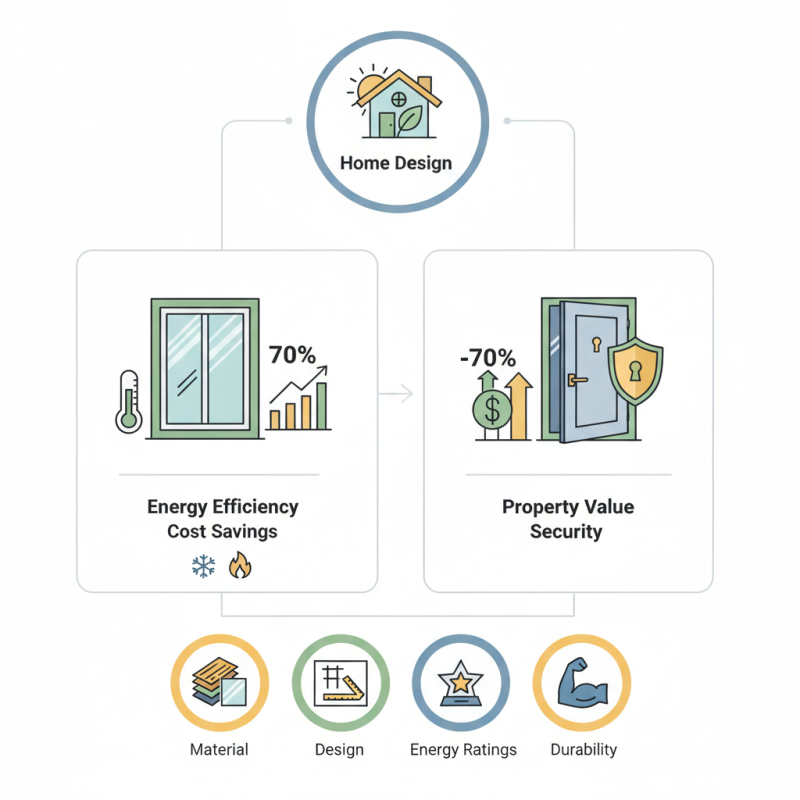
When it comes to designing a home, selecting the right windows and doors is a crucial decision that can significantly impact both aesthetics and functionality. According to recent industry reports, nearly 70% of homeowners consider energy efficiency as their top priority when choosing windows and doors, reflecting a growing awareness of sustainable living. Additionally, research from the National Association of Home Builders indicates that well-selected windows and doors can improve property value and curb appeal, often leading to a return on investment of up to 70% during resale.
The variety of options available in the windows and doors market can be overwhelming. Key factors such as material, design, energy ratings, and durability should guide homeowners in making informed choices. Reports suggest that energy-efficient windows can reduce heating and cooling costs by 30% or more, illustrating the long-term savings potential. Furthermore, door choices can influence security and insulation, with steel doors providing some of the highest levels of safety and energy performance available. By understanding the best types of windows and doors that complement their home design, homeowners can create spaces that are both beautiful and efficient, leading to improved comfort and lower utility bills.
Types of Windows and Doors: Understanding Your Options
When it comes to selecting windows and doors for your home, understanding the various options available is crucial to achieving your ideal design and functionality. There are several types of windows, including casement, double-hung, sliding, and picture windows. Each offers unique aesthetics and advantages; for instance, casement windows provide excellent ventilation and unobstructed views, while double-hung windows are favored for their classic look and ease of cleaning.
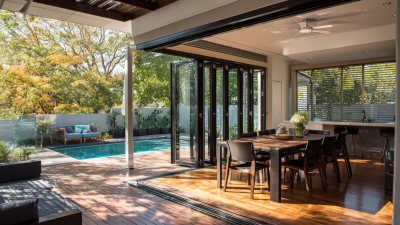
When choosing doors, options range from traditional hinged doors to modern sliding and bi-fold doors. Consider the style that complements your home’s architecture—paneled doors can enhance a rustic feel, while glass doors are perfect for creating a seamless indoor-outdoor experience.
**Tips:** When selecting windows and doors, always consider energy efficiency ratings to save on utility bills and improve comfort. Additionally, pay attention to the material; wood offers warmth and beauty, while vinyl is known for low maintenance and durability. Lastly, don’t forget about security features; investing in high-quality locks and frames ensures safety without compromising style.
Benefits of Different Window Materials for Home Design
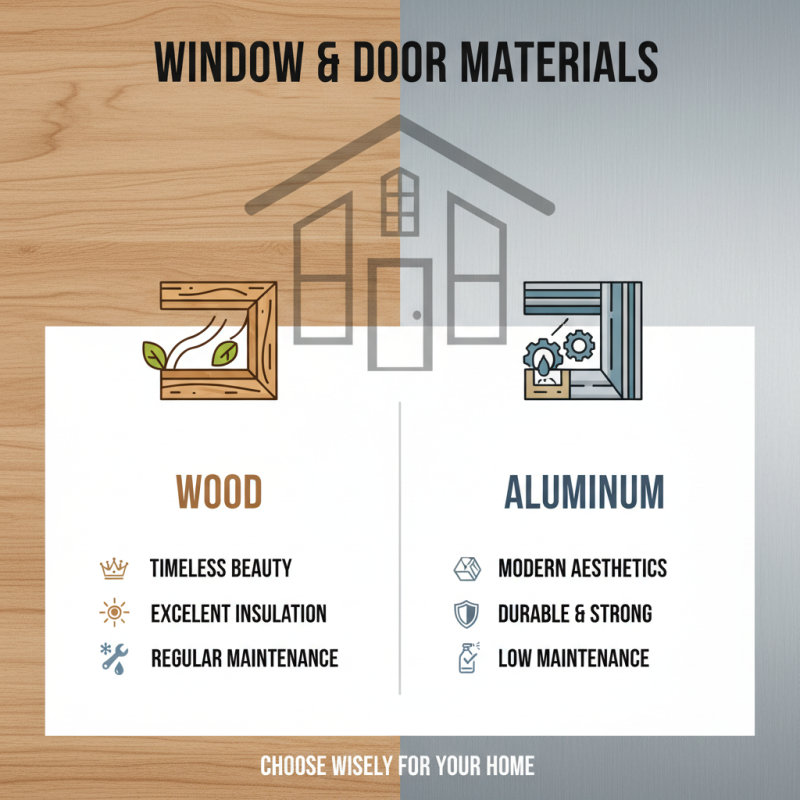
When designing your home, the choice of window and door material can significantly impact both aesthetics and functionality. Different materials offer unique benefits that can enhance your home’s overall design while providing crucial advantages in performance and maintenance. For instance, wood offers timeless beauty and excellent insulation, making it a popular choice for traditional homes. However, it requires regular maintenance to prevent rot and swelling.
On the other hand, vinyl windows are known for their durability and low upkeep. They resist moisture, fading, and warping, making them an ideal choice for modern designs that prioritize energy efficiency. Aluminum windows, while often less insulated than wood or vinyl, provide a sleek, contemporary look with their slim profiles and can support larger panes of glass, creating a seamless connection between indoor and outdoor spaces.
**Tips:** When selecting windows and doors, consider your local climate. In warmer areas, prioritize materials with high thermal performance to reduce cooling costs. Additionally, think about the amount of maintenance you’re willing to commit to; opting for low-maintenance materials can save you time and effort in the long run. Lastly, evaluate the architectural style of your home to ensure your choices beautifully align with its overall design language.
Selecting the Right Style of Doors for Aesthetics and Functionality
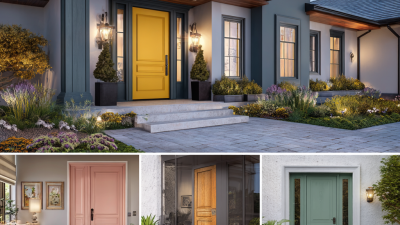
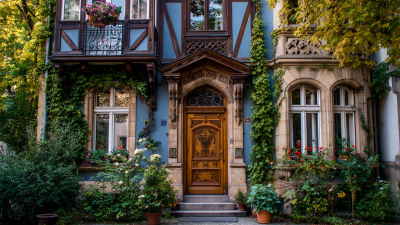
When selecting doors for your home, aesthetics and functionality should go hand in hand. The style of doors you choose can significantly influence the overall look of your home, complementing both the interior and exterior design. For instance, traditional wooden doors exude warmth and charm, perfect for classic or rustic homes, while sleek glass doors can enhance a modern aesthetic, allowing natural light to flow and creating a sense of openness.
In addition to style, consider the functionality of the doors. For high-traffic areas, sturdy materials and practical designs are vital. Bi-fold or sliding doors can save space while providing easy access to outdoor areas, making them ideal for family gatherings or parties. Conversely, a solid wood entry door with enhanced security features might be more suitable for a front entrance, balancing both protection and curb appeal. Ultimately, the right type of doors should align with your home’s aesthetic vision, while meeting the practical needs of your lifestyle.
Energy Efficiency Considerations for Windows and Doors
When selecting windows and doors for your home, energy efficiency should be a top consideration. Energy-efficient windows and doors can significantly impact your home’s heating and cooling costs, contributing to both environmental sustainability and your household budget. Look for products with high energy performance ratings, which indicate their ability to minimize heat loss in winter and reduce heat gain in summer. Features such as double or triple glazing, Low-E coatings, and gas fills between panes enhance insulation and can keep your home comfortable year-round.
Additionally, the framing material of windows and doors plays a crucial role in energy efficiency. For instance, vinyl, fiberglass, and wood-clad options offer different thermal properties, and their insulation capabilities can vary significantly. Proper installation is equally important; even the best energy-efficient products won't perform well if they are not installed correctly. Ensuring airtight seals and thermal breaks can help prevent drafts and moisture infiltration, ultimately leading to better energy performance and improved indoor comfort.
Energy Efficiency of Different Window Types
Architectural Compatibility: Matching Windows and Doors with Your Home Style
When selecting windows and doors for your home, architectural compatibility plays a crucial role in enhancing the overall aesthetic. Different architectural styles, such as Victorian, modern, or rustic, each have unique characteristics that dictate the appropriate design elements. According to the American Institute of Architects, an estimated 80% of homeowners prioritize architectural harmony when making decisions about renovations or new constructions. This highlights the importance of aligning window and door choices with the existing style to maintain cohesiveness and value.
For traditional homes, multi-pane windows with detailed molding can enhance classic charm, while sleek, larger windows are more fitting for contemporary designs. A report by the National Association of Home Builders indicates that windows account for over 25% of a house's energy efficiency. Therefore, integrating energy-efficient windows that also complement the home’s architectural style can lead to both aesthetic and practical benefits, ultimately improving comfort and reducing energy costs. Choosing the right style not only preserves the integrity of the home but also boosts curb appeal, ensuring that it remains an attractive space for years to come.