Best Sliding Doors for Homes How to Choose the Right One?
Sliding doors are becoming increasingly popular in modern homes. They offer a seamless connection between indoor and outdoor spaces. According to a recent report by Market Research Future, the sliding door market is expected to grow by 7% annually over the next five years. With such growth, choosing the right sliding doors becomes crucial.
Expert architect Sarah Johnson has noted, "Sliding doors not only enhance aesthetics but also improve functionality." Many homeowners struggle with the decision. Should they opt for aluminum, wood, or vinyl? Each material has its pros and cons. Aluminum is sleek but may not provide the warmth of wood. Vinyl is low maintenance, yet it might lack the elegance of traditional materials.
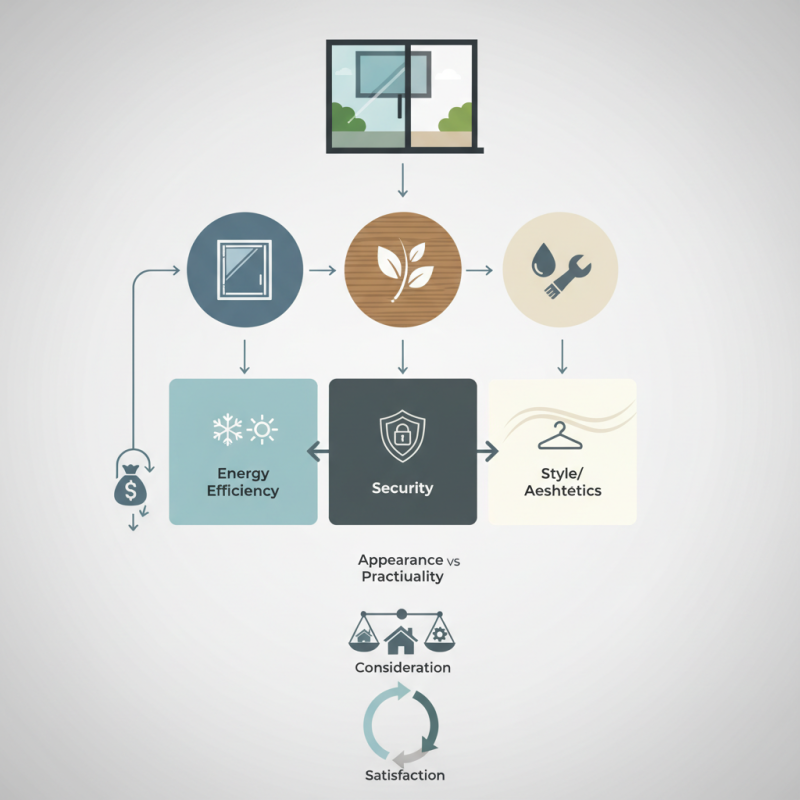
It's essential to consider energy efficiency, security, and style. Unfortunately, many forget to factor in insulation, which can lead to unexpected energy costs. Finding the perfect balance between appearance and practicality can be challenging. Thoughtful consideration of these factors will lead to a more satisfying choice for any home.
Types of Sliding Doors for Homes: An Overview
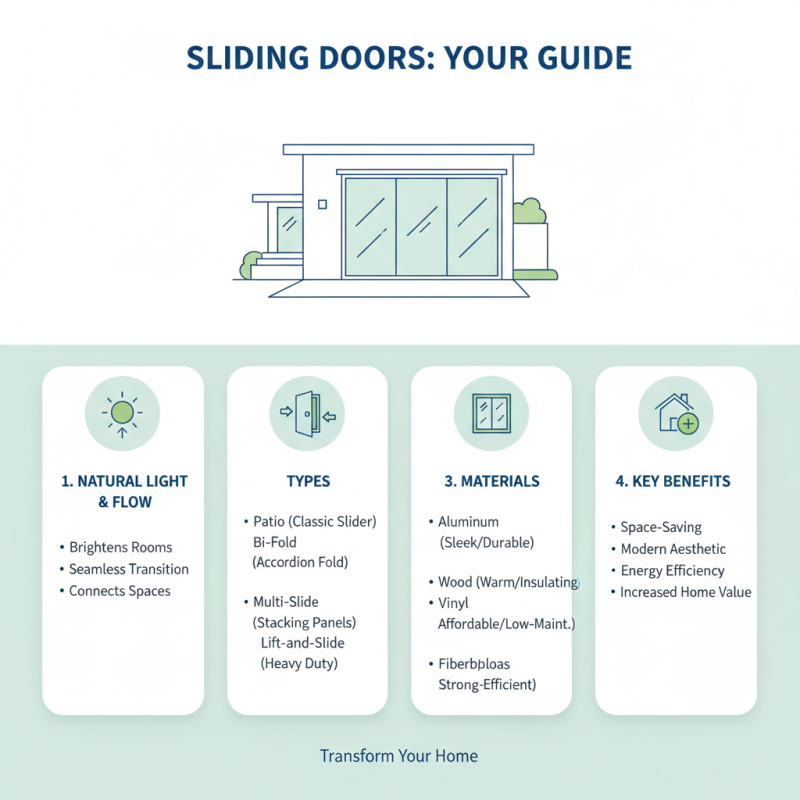
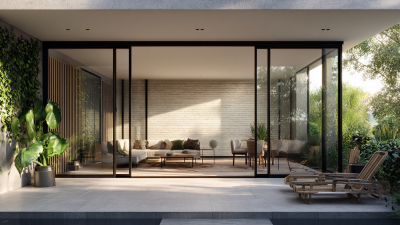
Sliding doors offer a stylish way to connect indoor and outdoor spaces. They can enhance natural light and provide seamless transitions. However, choosing the right type can be challenging. There are several types of sliding doors available for homes, each with unique features.
Patio sliding doors are popular. They usually consist of two or more glass panels. These panels glide smoothly, saving space. They create an inviting feel for your home. However, cleaning can be an issue. Tracks may collect dirt, making maintenance important.
Alternatively, pocket sliding doors disappear into the wall. This feature maximizes space in smaller areas. They are ideal for tight spots, like bathrooms. Yet, installation might be more complex. It's crucial to consider the wall structure. Each type of sliding door has its pros and cons, and it's essential to evaluate them based on your needs.
Key Features to Consider When Choosing Sliding Doors
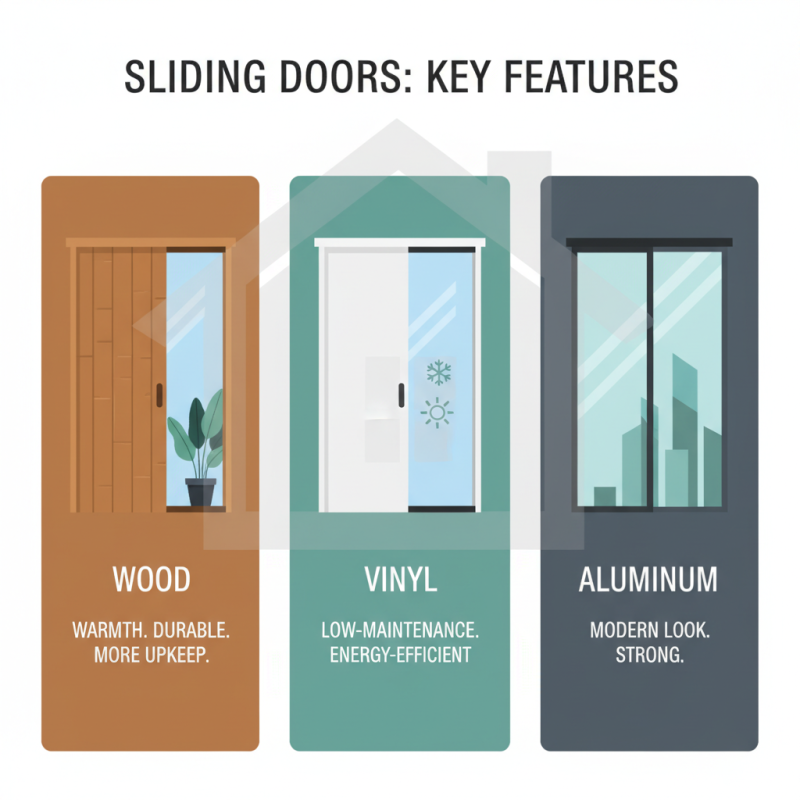
When selecting sliding doors for your home, there are several key features to consider. The material of the door plays a crucial role. Options include wood, vinyl, and aluminum. Each offers different aesthetics and durability. Wood can add warmth but may require more upkeep. Vinyl is low-maintenance and energy-efficient. Aluminum usually provides a modern look.
Glass is another important consideration. Full-length glass doors can brighten a room and provide stunning views. However, privacy is a concern. Consider frosted or tinted glass if needed. The door's energy efficiency is essential too. Look for models with proper insulation to reduce energy costs.
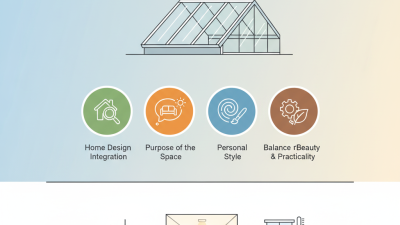
Here are a few tips: check the sliding mechanism for smooth operation. It's important your door opens easily, especially in high-frequency areas. Measure the entrance space accurately. Doors should fit snugly to avoid drafts. Lastly, consider the style that complements your home's design. Balancing aesthetics and function is key to a satisfying choice.
Materials Used in Sliding Door Construction: Pros and Cons
When choosing the right sliding door, the materials play a key role. Common options include wood, vinyl, glass, and aluminum. Each has its own set of advantages and drawbacks. For instance, wooden doors provide warmth and aesthetic appeal. However, they require regular maintenance. They can warp or swell in humid conditions, which is not ideal for every location.
Vinyl doors are durable and energy-efficient. They resist fading well but may lack the elegance of wood. Glass sliding doors offer expansive views, making spaces feel larger. Yet, they can be fragile and pose security risks. Aluminum doors are lightweight and resistant to corrosion. But they might not offer the same insulation as other materials. Assessing these factors carefully is crucial for making the best choice.
Moreover, personal style and home design should influence your decision. It's easy to get overwhelmed by options. Consider how much light you want. Think about the privacy you need. Would you like a bright and airy atmosphere? Or do you require a cozier feel? Weighing the pros and cons helps create a space that suits you best.
Best Sliding Doors for Homes: How to Choose the Right One? - Materials Used in Sliding Door Construction: Pros and Cons
| Material |
Pros |
Cons |
| Wood |
Natural warmth, good insulation, customizable finishes |
Requires maintenance, can be affected by moisture |
| Vinyl |
Energy efficient, low maintenance, variety of colors |
Less durable than wood, potential for fading |
| Aluminum |
Durable, lightweight, sleek appearance |
Poor insulator, can be prone to corrosion |
| Fiberglass |
Strong, energy-efficient, resistant to dents |
Higher initial cost, limited color choices |
| Glass |
Aesthetic appeal, allows natural light, various styles |
Fragility, privacy concerns, may need safety features |
Energy Efficiency and Insulation: Assessing Your Options
When selecting sliding doors, energy efficiency is crucial. According to the U.S. Department of Energy, homes lose up to 30% of heating and cooling energy through windows and doors. This statistic highlights the need for well-insulated options. Look for sliding doors with multi-chamber frames and double or triple glazing. These features enhance insulation, keeping indoor temperatures comfortable.
Additionally, consider the door's materials. Vinyl and fiberglass are excellent choices due to their insulating properties. A study from the National Renewable Energy Laboratory reveals that materials with low thermal conductivity significantly reduce energy loss. However, some homeowners forget to check the door's energy ratings. A lack of awareness can lead to higher utility bills over time.
It's also important to reflect on the installation process. Even the best sliding doors can underperform with improper installation. Gaps and poor sealing can negate energy efficiency, making your investment less effective. Periodic checks and maintenance can help avoid this pitfall. Choose wisely and maintain diligently to optimize energy savings in your home.
Energy Efficiency and Insulation of Sliding Doors
Installation and Maintenance Tips for Sliding Doors in Homes
When installing sliding doors, precision is key. Measure the frame carefully before buying. Ensure the door fits well within the opening. A poorly sized door can lead to gaps or operational problems. Aim for smooth movement and a good seal against drafts.
Maintenance of sliding doors is equally important. Regularly check the tracks for dirt and debris. Clean them with a damp cloth to avoid jamming. Lubricate the rollers to ensure they glide effortlessly. A little effort here can prolong the life of your doors.
Weather stripping can help with insulation. Replace old or damaged strips to maintain energy efficiency. Inspect the seals to prevent moisture damage. Pay attention to any signs of wear and tear. Addressing these issues promptly can save costs later.