What Is the Best Film Faced Plywood from China?
Choosing the best Film Faced Plywood from China is not simply a matter of finding the lowest price. It requires careful attention to core quality, surface durability, bonding performance, and manufacturing consistency. A smooth brown or black surface may look impressive, yet appearance alone cannot reveal weak glue lines or internal voids. The real test begins when panels face pressure, moisture, repeated stripping, and rough handling on a busy construction site.
No board is perfect.
Experienced buyers usually inspect the veneer structure, film weight, edge sealing, and panel thickness before placing an order. They also request production samples, technical data, and credible test reports. Phenolic film can improve water resistance, but it does not make plywood waterproof under every condition. This distinction is often overlooked. A panel designed for residential slabs may perform poorly in bridge formwork or large commercial foundations.
This guide examines how Chinese manufacturers produce and grade Film Faced Plywood, including common core materials, glue systems, pressing methods, and quality controls. It also considers practical details, such as how panels are stacked, whether edges remain sealed during transport, and how many reuses suppliers can realistically support. Claims should be checked against evidence, not attractive catalog photos. Small differences in veneer quality can become visible after several pours. The best choice depends on project demands, budget, climate, and supplier reliability. Readers should compare verified performance rather than trust a universal ranking. Even experienced purchasers can miss hidden defects. Careful inspection still matters.
What Film Faced Plywood Is and Why Chinese Products Matter
What Is the Best Film Faced Plywood from China?
What Film Faced Plywood Is and Why Chinese Products Matter
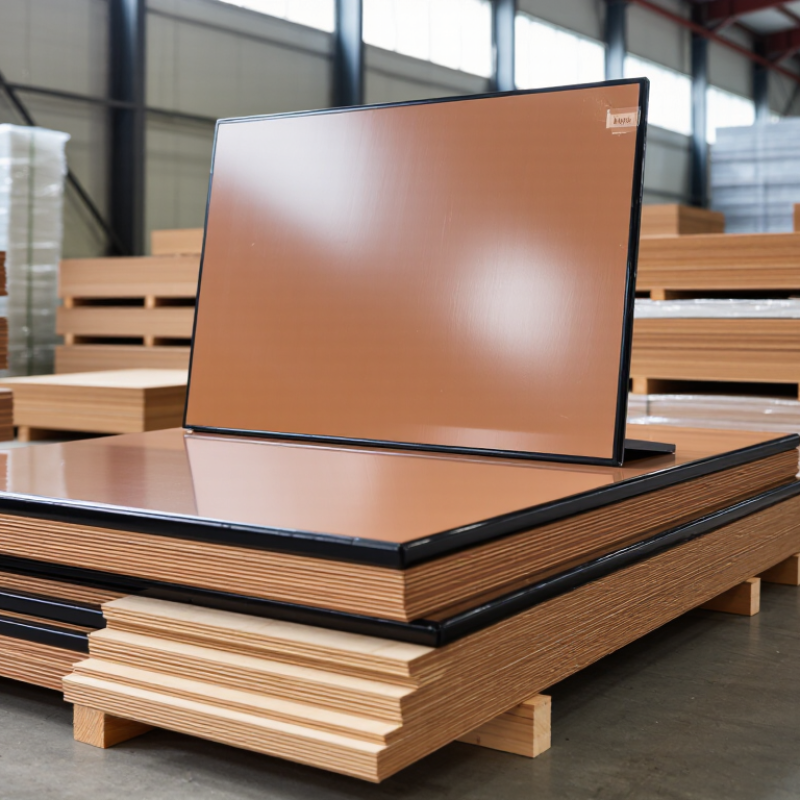
Film faced plywood is a structural panel with a resin-coated surface. The coating reduces water absorption, concrete sticking, and edge damage during repeated formwork use. Its quality depends on more than a dark, glossy face. Core gaps, veneer direction, glue strength, and panel flatness matter just as much.
China matters because its plywood industry combines large-scale veneer processing with extensive export experience. The FAO Forestry Production and Trade database consistently places China among the world’s leading plywood producers. The FAO Global Forest Resources Assessment 2020 also recorded China’s forest area at about 220 million hectares, supporting a broad domestic timber supply. Yet scale is not a guarantee. A cheap panel may hide loose cores or uneven film weight. I have seen sheets that looked excellent at the warehouse door but opened at the corners after cutting. That detail deserves more attention.
Tips: Request test reports for bonding strength, thickness tolerance, and formaldehyde emissions. Check several sheets, not only one sample. Look for sealed edges, even color, and a flat surface under side lighting. EN 314-2 or comparable bonding classifications can help compare performance. Still, laboratory results cannot replace a practical trial. Test the plywood with your concrete mix, cutting method, and expected reuse cycles. Sometimes the “best” specification is simply too optimistic.
How to Assess the Quality of Chinese Film Faced Plywood
What Is the Best Film Faced Plywood from China?
How to Assess the Quality of Chinese Film Faced Plywood
China is a major wood-based panel producer. FAO’s 2022 forestry statistics recorded about 390 million cubic meters of global panel production, with China supplying more than half. This scale offers many choices, but volume does not guarantee consistent plywood quality. A reliable assessment begins with the core, not the surface. Inspect the panel edge for uniform veneers, tight joints, and minimal overlapping patches. Measure thickness at several points. Large variations may cause uneven concrete surfaces or unstable formwork.
The film should appear smooth, firmly bonded, and free from bubbles, peeling, and exposed paper edges. A darker film is not proof of better durability. Ask for test evidence under EN 314-2, EN 13986, or ASTM D1037, depending on the project market. Bonding strength, water resistance, screw holding, and thickness swelling matter more than appearance. EN 13986 also connects wood-based panels with declared structural and emission performance. Check formaldehyde documentation, including the stated test method and product batch.
Practical testing reveals weaknesses.
Place a cut sample in water, then inspect delamination after drying. This simple check is useful, but not a laboratory substitute. Request recent production records, not only a factory sample. Confirm veneer species, panel construction, dimensions, and reuse claims in writing. I have found that small edge gaps often predict larger failures during repeated pouring. Still, visual inspection can miss internal voids, so independent sampling remains worth the cost.
Core Materials, Manufacturing Methods, and Performance Grades
What Is the Best Film Faced Plywood from China?
Core Materials, Manufacturing Methods, and Performance Grades
The best film faced plywood depends on core quality, bonding, and intended site conditions. In factory inspections, stable panels show tight veneers, balanced grain, and few open joints. FAOSTAT’s 2022 forest-products data places China as the dominant plywood-producing country, contributing more than half of reported global output. Poplar cores reduce weight, while birch and mixed hardwood cores usually provide higher stiffness. Core selection changes handling and load performance.
Manufacturers typically dry veneers before assembling them with staggered grain directions. Hot pressing then controls resin curing, thickness, and panel flatness. Phenolic film improves release from concrete and limits surface moisture entry. Edge sealing matters. However, film thickness alone cannot prove durability. The USDA Forest Products Laboratory’s Wood Handbook emphasizes moisture content, density, and veneer quality as major strength factors. A glossy face can still hide weak inner plies.
For exterior concrete work, buyers should compare test evidence with EN 314-2 Class 3 bonding or EN 636-3 performance requirements. ASTM D1037 testing can also reveal bending strength, stiffness, and water-related dimensional changes. China’s GB/T 17656 standard is commonly referenced for concrete-form plywood. In practice, reusable panels need more than a high grade on paper. I would request recent test reports, veneer moisture records, thickness tolerance data, and cycle results from the actual production line. Some published claims remain too optimistic. That deserves scrutiny.
Major Chinese Supplier Types and Production Regions
What Is the Best Film Faced Plywood from China?
China’s film faced plywood market is not supplied by one factory type. Large integrated mills usually control veneer peeling, drying, hot pressing, and film application. They offer steadier thickness and better batch records. Regional manufacturers often provide faster customization and competitive prices. Trading companies can combine several factories, but their quality control may depend heavily on supplier audits.
Production regions matter. Linyi in Shandong is a major plywood manufacturing cluster, supported by dense processing networks and logistics. Xuzhou in Jiangsu also has extensive panel production and export experience. Guangxi and Fujian benefit from nearby plantation resources, while Hebei serves construction markets in northern China. The China National Forest Products Industry Association reported China’s plywood output at more than 200 million cubic meters in 2023. That scale explains the wide supplier range, but it also makes careful screening essential.
The FAO Forestry Production and Trade database consistently places China among the world’s largest wood-based panel producers. Buyers should request veneer species, core composition, formaldehyde test results, film weight, and panel tolerances. Independent testing against EN 13986, EN 636, or relevant ASTM methods adds useful evidence. A dark, smooth surface is not enough. Check edge sealing, screw holding, warpage, and repeated concrete-release performance. My practical concern is simple: supplier photographs often look better than delivered panels. Trial orders, batch inspections, and moisture checks remain more reliable than claims alone.
What Is the Best Film Faced Plywood from China?
China’s main film faced plywood supply clusters are concentrated in Shandong, Jiangsu, Guangxi, Anhui, and Zhejiang. The chart uses a regional production-cluster relevance score based on manufacturing concentration, plywood availability, export activity, and supporting timber-processing capacity. It is not a company sales ranking.
Supplier types: Large integrated mills generally offer stronger quality control and stable production capacity. Specialized film faced plywood factories often provide more flexible film, core, size, and bonding options. Trading-oriented suppliers may be useful for mixed-container orders but should be checked carefully for factory traceability and quality documentation.
How to Choose the Best Film Faced Plywood for Your Project
Choosing film faced plywood from China starts with the project, not the catalog. For concrete formwork, check the required thickness, panel size, load, and expected reuse. An 18 mm panel may suit one pour but fail with different support spacing. Ask for a technical data sheet, not only photographs. Examine the core for aligned veneers, few open joints, and no soft patches. Poplar, eucalyptus, and mixed hardwood cores behave differently. The best choice depends on your working conditions. Measure twice.
The surface film should match the finish and handling demands. A smooth phenolic film can release cleanly, while rougher surfaces may hide small defects. Check film weight, resin coverage, edge sealing, and water resistance. Waterproof claims need evidence. Request boiling-water or wet-dry test results when appropriate. Also compare thickness tolerance and panel flatness. I have seen a low-priced sheet look excellent at delivery, then swell around unsealed edges after rain. That was my mistake. I judged the face and ignored the edges. Inspect five random panels, not just one.
A reliable Chinese supplier should explain veneer species, adhesive type, production controls, and packing methods clearly. Ask for recent batch samples and independent inspection records. Confirm how panels are stored and protected during shipping. Container moisture can damage good plywood. Check markings, quantity, and replacement terms before ordering. A small trial order is safer than a large guess. Keep notes from each pour, including release quality, deflection, and edge damage. Samples matter. These records may reveal that your support design, rather than the plywood, caused the problem.