Affordable Windows in 2025 Top Types for Every Homeowner
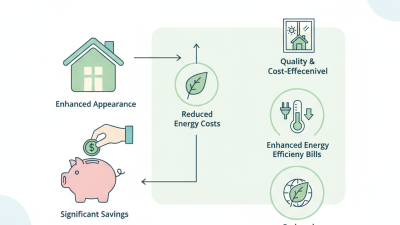
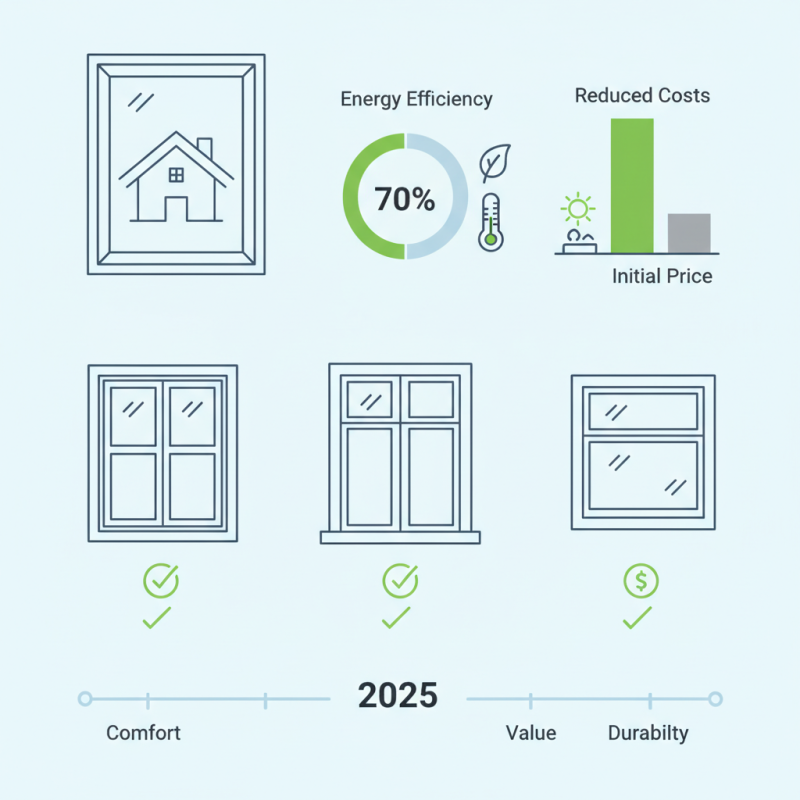
As homeowners prepare for 2025, the demand for affordable windows is increasing. A recent industry report by the National Association of Home Builders revealed that nearly 70% of homeowners prioritize energy efficiency in their window choices. Experts emphasize that making the right window selection can significantly reduce heating and cooling costs.
John Anderson, a renowned expert in the affordable windows sector, states, "Affordable windows are not just about cost; they impact a home's comfort and value." The market for budget-friendly window options has evolved, featuring improved materials and designs that cater to energy-conscious buyers. However, the reliance on low prices can lead to choices that compromise quality or durability.
With various types of windows available, homeowners face the challenge of balancing cost with performance. Investing in affordable windows might seem straightforward, yet many are drawn to the lowest prices without considering long-term implications. This reflection is crucial as we explore the top types of affordable windows for every homeowner in 2025.
Types of Windows That Will Be Affordable for Homeowners in 2025
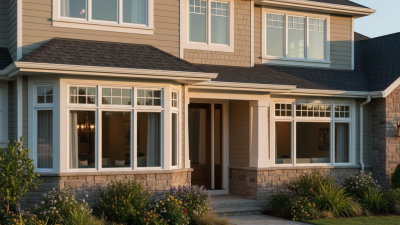
In 2025, homeowners will find a variety of affordable window options. Energy-efficient vinyl windows are likely to dominate the market. They provide good insulation and are low-maintenance. Homeowners can expect prices to remain competitive. These windows can bring comfort to homes without breaking the bank.
Wood-clad windows are also appealing. They offer a classic look and blend well with various home styles. While they might require some upkeep, many feel the aesthetic is worth it. Choosing a treated wood option can reduce maintenance headaches.
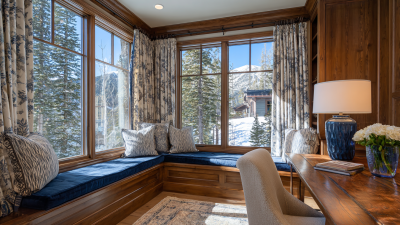
Tip: Consider the placement of your windows. Larger windows can let in more natural light. This reduces the need for daytime lighting, lowering energy bills.
Moreover, focus on local materials. They can be cheaper and often more sustainable. This choice can support local economies and reduce carbon footprints.
Tip: Always check for warranties when selecting windows. A good warranty can save money on repairs or replacements in the long run.
Energy-Efficient Window Options for Cost-Savvy Buyers
When it comes to choosing windows for your home in 2025, energy efficiency is key. Homeowners want options that not only look good but also save on energy bills. One popular choice is double-glazed windows. These windows provide excellent insulation, keeping your home warm in winter and cool in summer. The layers trap air, reducing energy loss.
Another option worth considering is low-E glass windows. They may cost a bit more upfront, but their long-term savings can be substantial. These windows reflect heat during summer and retain warmth in winter, making your HVAC system work less. However, some might find them slightly darker. It requires adjustment, but many homeowners enjoy the benefits they bring.
Vinyl windows also remain a staple. They are durable and require little maintenance. However, vinyl can sometimes appear too plain or plastic-like. Those seeking aesthetics may feel conflicted. It’s essential to weigh these factors carefully. Think about your home’s style and your energy needs.
Affordable Windows in 2025: Energy-Efficient Window Options for Cost-Savvy Buyers
Durability and Maintenance Considerations for Budget Windows
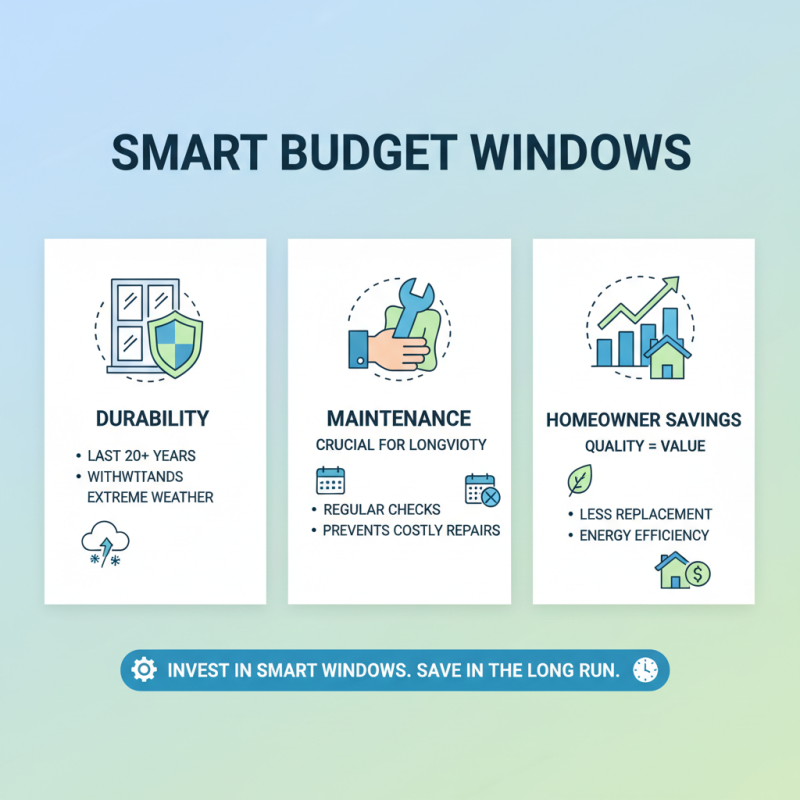
When considering budget windows, durability and maintenance are crucial factors for homeowners. A recent industry report indicates that quality windows can endure extreme weather, potentially lasting over 20 years with proper care. Homeowners often underestimate maintenance in their budgeting. Regular checks can prevent costly repairs later.
**Tip:** Inspect seals for gaps. These can lead to drafts and higher energy costs. A small crack can escalate quickly if unnoticed.
Vinyl windows rank high for affordability and maintenance. They require minimal upkeep and resist rotting or warping. Another option is fiberglass, known for its strength and efficiency. However, upfront costs may be slightly higher. Homeowners need to weigh these factors carefully.
**Tip:** Consider local climate when choosing window materials. What works in one area may not suit another.
Investing in durable windows pays off in the long run. Nevertheless, be wary of cheap options that might need replacing within a few years. Spending more initially could save money and hassle later. Choose wisely.
Innovative Materials and Technologies Shaping Affordable Windows
Innovative materials are transforming the window industry. One exciting development is the use of triple-glazed glass. This technology enhances energy efficiency. Homeowners can expect reduced heating costs during winter. It also minimizes noise from the outside. However, these windows may weigh more, complicating installation.
Fiberglass frames are gaining popularity too. They are incredibly strong and durable. Fiberglass withstands temperature changes better than traditional materials. Homeowners appreciate the potential for fewer replacements. Still, the initial cost might be higher. Some may hesitate to invest in this option.
Moreover, smart glass technology offers functionalities that appeal to many. This glass can tint automatically based on sunlight. It helps control indoor temperatures while improving comfort. Yet, it requires electricity and a proper setup. Not everyone may find it practical. Balancing innovation with practicality is essential for smart choices in 2025 windows.
Affordable Windows in 2025 - Top Types for Every Homeowner
| Window Type |
Material |
Energy Efficiency Rating |
Estimated Cost (per window) |
Lifespan (years) |
| Double-Hung |
Vinyl |
Energy Star |
$300 |
20 |
| Casement |
Fiberglass |
U-Factor 0.30 |
$350 |
25 |
| Sliding |
Aluminum |
R-Value 4.0 |
$400 |
15 |
| Awning |
Vinyl |
Energy Star |
$325 |
20 |
| Picture |
Vinyl |
U-Factor 0.25 |
$500 |
30 |
Comparing Prices: Finding the Best Deals on Windows in 2025
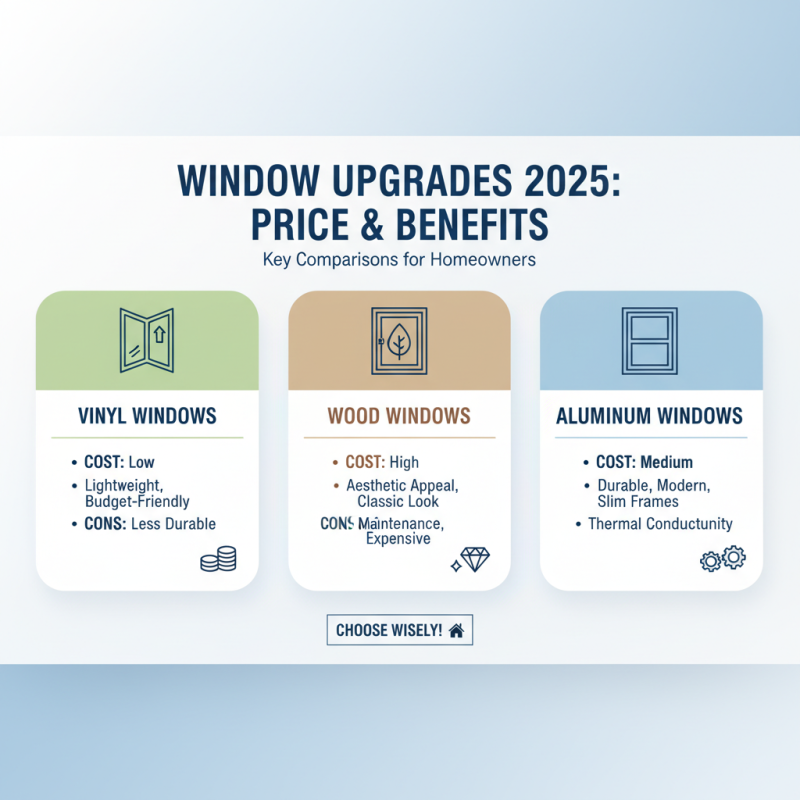
As homeowners seek to upgrade their windows in 2025, price comparison becomes essential. Many window types bring different benefits and costs. Vinyl windows are lightweight and budget-friendly. However, their durability may not be as high as other materials. Wood windows often create aesthetic appeal, yet they require maintenance and can be pricey.
When shopping for windows, consider bulk discounts. Some suppliers offer lower prices for larger orders. It’s also wise to ask about seasonal sales or promotions. Timing your purchase can lead to significant savings. Research local contractors too. Their rates often vary widely, so negotiate for better deals.
Another important aspect is energy efficiency. Look for windows with good insulation features. They may have a higher upfront cost but save you money on energy bills in the long run. Take note of warranties offered. A longer warranty could indicate better quality but be cautious of hidden fees. It pays to dig deeper into the fine print.