2025 Trends in Roof Windows: Innovative Designs and Energy Efficiency
As we look towards 2025, the landscape of roof windows is set to evolve dramatically, driven by innovative designs and a growing emphasis on energy efficiency. With sustainability becoming a central concern in architecture, roof windows are no longer just functional elements; they are integral components that can enhance both aesthetic appeal and energy performance in buildings. Expert in building design, Dr. Alice Thompson, states, "The future of roof windows lies in their ability to harmonize style with sustainability, creating spaces that are not only beautiful but also energy-smart."
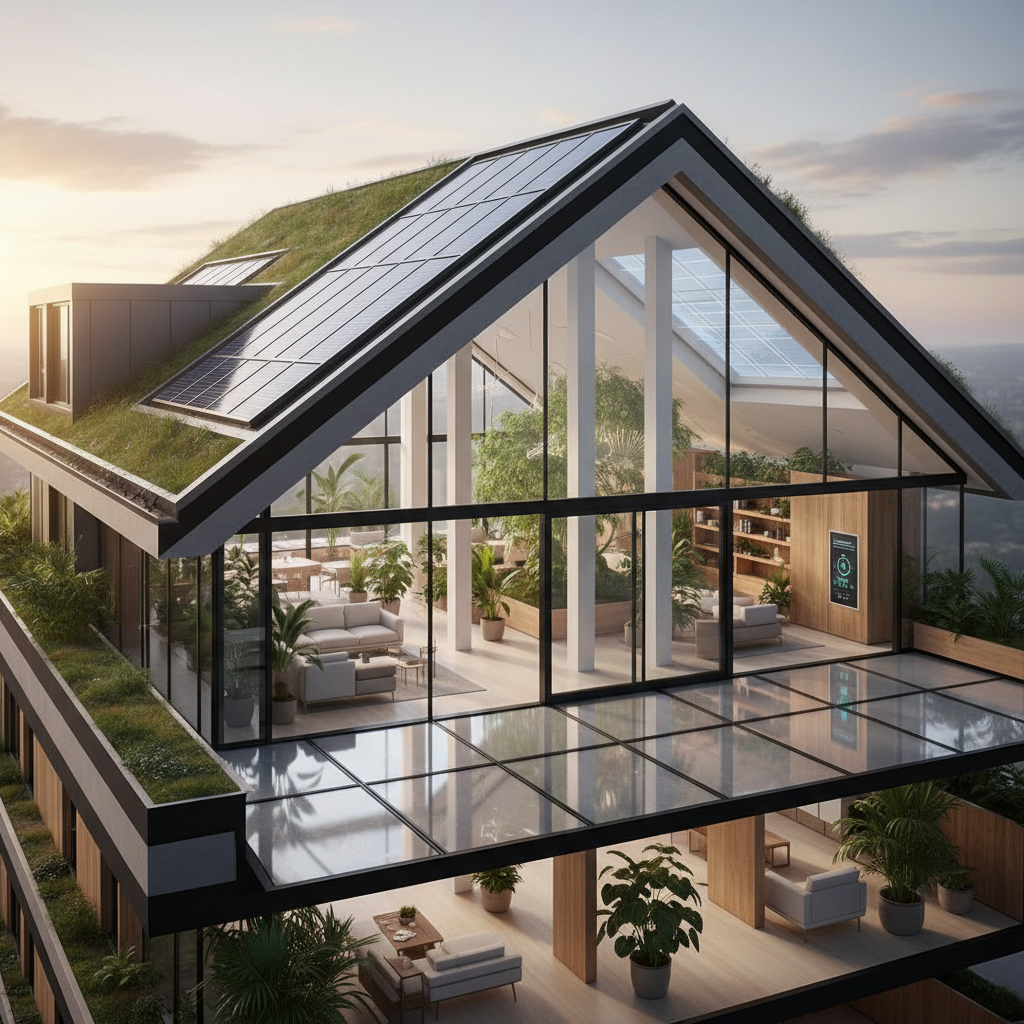
This trend signifies a shift towards incorporating advanced materials and smart technologies in the manufacturing of roof windows. As homeowners and builders alike seek to optimize natural light while minimizing energy consumption, we can anticipate a surge in solutions that combine aesthetics with functionality. The innovations we'll explore in this article reflect a commitment to creating living spaces that enjoy abundant daylight while effectively managing heat and reducing carbon footprints.
In this exploration of the "Top 10" trends shaping the roof windows industry, we will delve into emerging designs and technologies that promise to redefine the user experience. From solar-integrated windows to enhanced thermal performance, the advancements in roof windows are paving the way for a brighter, more energy-efficient future.
Emerging Design Aesthetics in Roof Windows for 2025
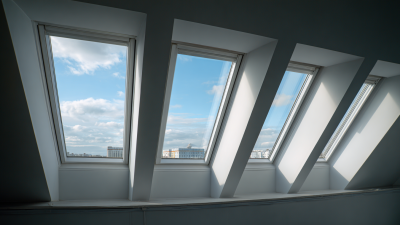
The design aesthetics of roof windows are evolving rapidly as we approach 2025, reflecting a broader trend towards innovation and energy efficiency in architecture. Emerging designs emphasize sleek lines and adaptive functionalities, enabling homeowners to enhance their living spaces while ensuring the window systems align gracefully with the overall aesthetics of modern buildings. Notable examples include installations that integrate seamlessly with the building's roofline and offer enhanced thermal performance.
As architects and designers continue to explore new materials and configurations, a significant trend is the shift towards sustainability. Roof windows are now being designed to maximize natural light while minimizing energy consumption. Integrating high-performance glazing and energy-efficient components is becoming standard practice, echoing desires for greener living spaces.
**Tips for Choosing Roof Windows:**
1. Consider the orientation of your roof—south-facing windows can greatly enhance natural light and warmth, improving energy efficiency.
2. Look for advanced glazing options that provide better insulation and UV protection, ensuring longevity and comfort in your home.
3. Explore customizable designs that can complement the architectural style of your home while enhancing its aesthetic appeal.
Revolutionizing Energy Efficiency: Smart Technologies in Roof Windows
The roof window market is experiencing a significant transformation, driven by advancements in smart technologies that enhance energy efficiency. According to a recent report by Allied Market Research, the global roof windows market is projected to reach $8.1 billion by 2025, growing at a CAGR of 7.2%. This growth is closely tied to the integration of innovative designs and smart features, such as automated opening mechanisms and integrated solar sensors that adjust the window's position based on sunlight intensity, maximizing natural light while minimizing energy consumption.
Emerging technologies like IoT-enabled roof windows are also paving the way for smarter living environments. These windows can be connected to home automation systems, allowing homeowners to monitor and control ventilation and temperature remotely. Research from the International Energy Agency highlights that buildings equipped with energy-efficient windows can save up to 30% on heating and cooling costs, making smart roof windows not only an environmentally friendly choice but also a financially savvy investment. As these innovative designs become more prevalent, the focus on energy efficiency will continue to revolutionize the way we think about natural light and ventilation in modern architecture.
2025 Trends in Roof Windows: Innovative Designs and Energy Efficiency
| Feature |
Description |
Energy Efficiency Rating |
Innovative Technology |
Expected Impact |
| Triple Glazing |
Utilizes three panes of glass for better insulation. |
U-value: 0.6 W/m²K |
Argon Gas Filling |
Reduces heating costs by 20%. |
| Smart Sensors |
Automatically adjusts window opening based on weather. |
Energy saving up to 30%. |
IoT Integration |
Enhances air quality and comfort. |
| Solar Control Glass |
Reduces solar heat gain while allowing natural light. |
SHGC: 0.25 |
Low-E Coating |
Improves energy efficiency, reducing cooling costs. |
| Automated Blinds |
Blinds that operate based on sunlight intensity. |
Energy saving potential: 15% in summer months. |
Smart Home Compatibility |
Increase in overall home energy efficiency. |
| Acoustic Glazing |
Reduces outside noise while maintaining thermal performance. |
Rw: 45 dB |
Special Acoustic Lamination |
Enhanced living comfort in urban areas. |
Sustainable Materials: The Future of Eco-friendly Roof Window Designs
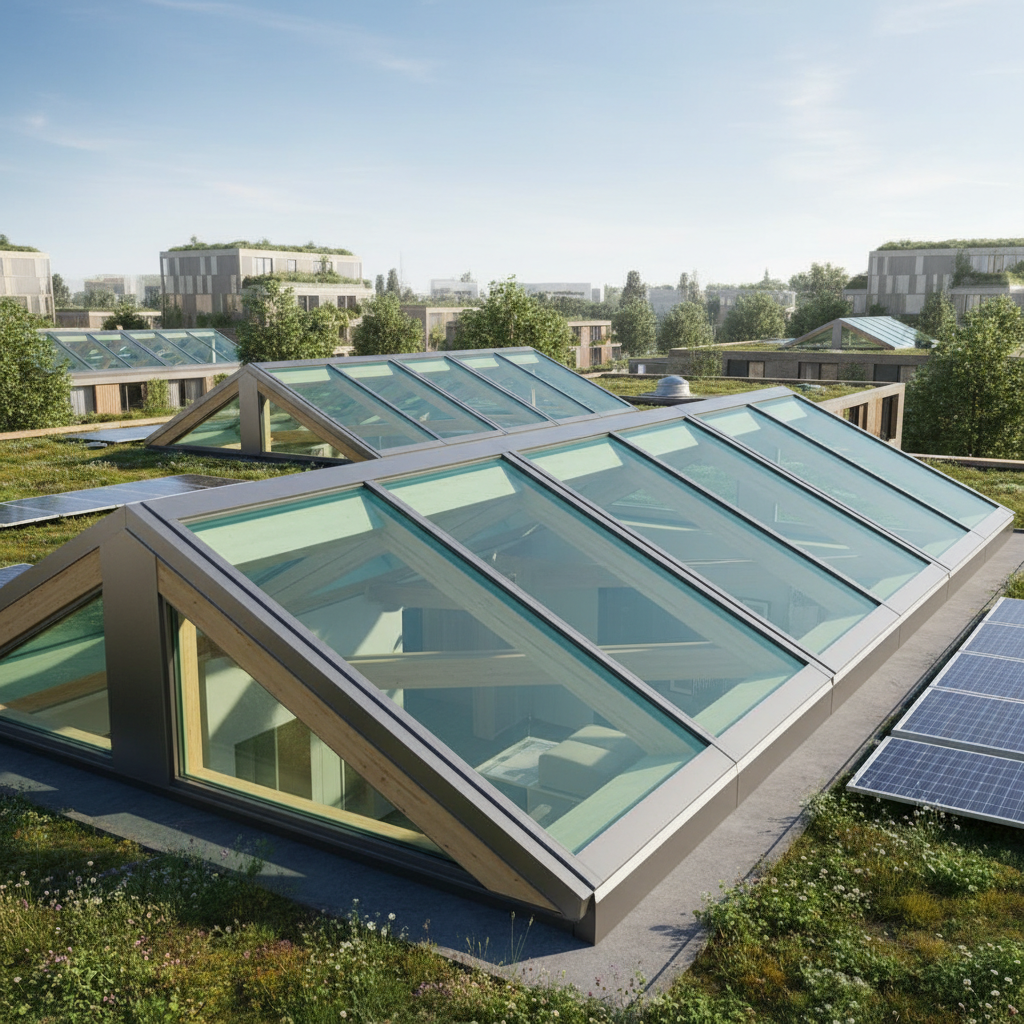
The future of roof windows is increasingly intertwined with sustainable materials that enhance both environmental performance and aesthetic appeal. According to a report by the International Institute for Sustainable Development, the construction industry is responsible for approximately 39% of global carbon emissions, underscoring the urgent need for eco-friendly solutions. In 2025, we can expect innovations that emphasize materials such as recycled aluminum and responsibly sourced wood, which not only reduce the carbon footprint of new installations but also promote circular economy practices.
Furthermore, advancements in energy efficiency will drive the use of materials with superior thermal performance. The U.S. Department of Energy reports that energy-efficient windows can reduce heating and cooling costs by up to 15%. Innovations in high-performance glazing and frame materials will enable roof windows to achieve better insulation and lower energy consumption. As manufacturers focus on integrating these sustainable materials, the roof window market is poised to shift towards designs that blend functionality with eco-consciousness, paving the way for a more sustainable future in building designs.
Maximizing Natural Light: Innovations in Roof Window Configuration
Recent advancements in roof window designs are transforming how we harness natural light in our homes and commercial spaces. The 2025 trends indicate a substantial shift towards innovative configurations that not only improve aesthetics but also enhance energy efficiency. According to a report by the International Energy Agency, efficient roof windows can reduce energy consumption for lighting by up to 30% in residential buildings, reflecting a growing desire for sustainable living solutions.
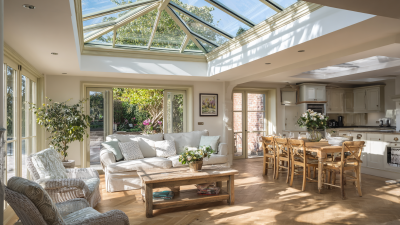
One notable innovation is the introduction of modular roof windows that can be combined to create expansive skylights, allowing for greater luminary access and improved ventilation. This design approach encourages a seamless blend of indoor and outdoor environments while optimizing thermal performance. Moreover, the integration of smart technology in these windows enables real-time adjustments, helping homeowners control light and temperature more efficiently.
**Tips for Maximizing Natural Light:**
1. Position roof windows strategically to capture sunlight throughout the day while minimizing glare.
2. Consider using high-performance glazing systems that offer superior thermal insulation without compromising on visibility.
3. Regularly maintain and clean your roof windows to ensure maximum light penetration and energy efficiency.
Customization Trends: Tailoring Roof Windows to Modern Living Spaces
The customization of roof windows is increasingly essential to meet the demands of modern living spaces, especially within the popular modern farmhouse style. This trend emphasizes a blend of rustic charm and contemporary functionality. According to recent industry reports, nearly 60% of homeowners prefer personalized features in their roof windows that cater to both aesthetic and practical needs.
Adjustable options, energy-efficient glazing, and varied frame materials allow homeowners to create unique looks that complement their interior designs while maximizing natural light.
Moreover, style diversification is pivotal in customization. Homeowners are moving towards larger, strategically placed roof windows that enhance open floor plans, particularly in A-frame and modern farmhouse aesthetics. Research indicates that installations of skylights and innovative roof windows can increase property value by up to 10%, making them a worthwhile investment.
Additionally, energy efficiency is a critical consideration; the latest window designs boast significant improvements in thermal insulation, potentially reducing heating and cooling costs by 30%. Customization is not merely about visuals; it aligns with smart living principles, providing homeowners with tailored solutions for comfort and sustainability.