Why Choose PVC Ceiling Board for Your Next Project?
When considering materials for your next construction project, a Pvc Ceiling Board stands out for several compelling reasons. Recent industry reports indicate that the global PVC ceiling board market is projected to reach $6.2 billion by 2025, demonstrating its growing popularity among builders and designers. This trend is partly due to its durability and aesthetic appeal, making it a favored choice in residential and commercial spaces alike.
One of the key advantages of PVC Ceiling Boards is their resistance to moisture and mold. According to the National Association of Home Builders, mold-related issues can lead to significant costs in repairs. Choosing a PVC ceiling board could potentially save homeowners from these unforeseen expenses. Moreover, the installation process is relatively simple and cost-effective, often reducing labor costs.
However, there are considerations to keep in mind. Some critics highlight that while PVC ceiling boards are reusable and recyclable, the environmental impact of PVC production remains a concern. Balancing sustainability with practicality will be essential for future projects. Despite this, the overwhelming benefits of PVC ceiling boards make them a reliable choice in the ever-evolving construction landscape.
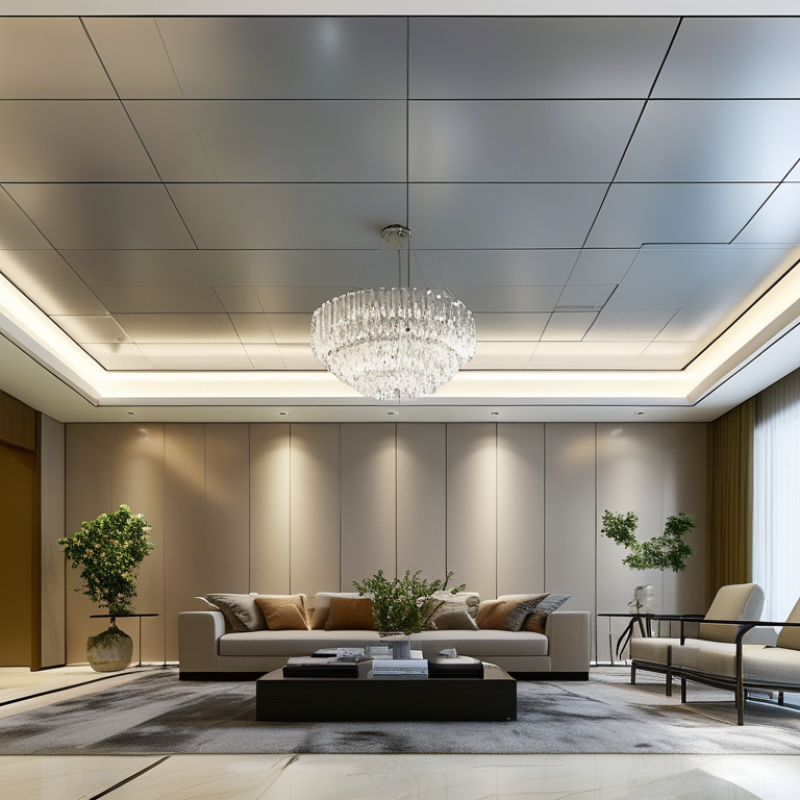
Benefits of Using PVC Ceiling Boards in Home Renovations
PVC ceiling boards have gained popularity in home renovations due to their numerous benefits. One significant advantage is their moisture resistance. According to industry reports, over 15% of homes experience moisture-related issues. PVC boards effectively combat this issue, reducing the risk of mold and mildew.
Durability is another critical factor. PVC ceiling boards can last up to 30 years or more with proper care. This longevity is coupled with low maintenance. Homeowners often spend on regular upkeep for traditional ceilings. In contrast, PVC boards require minimal effort to clean, saving time and money.
Aesthetic appeal is essential in renovations. PVC boards come in various styles and colors, allowing flexibility in design. Reports suggest that 70% of homeowners prioritize design when renovating spaces. By opting for PVC, you can enhance your home’s visual appeal.
However, it’s essential to consider the installation process. While some find it straightforward, others may struggle. Some boards may warp under specific conditions, raising questions about their adaptability. Balancing beauty and practicality is key when choosing the right ceiling material.
Durability and Maintenance Advantages of PVC Ceiling Boards
PVC ceiling boards offer remarkable durability. They resist water and mold, making them ideal for kitchens and bathrooms. Unlike traditional materials, they do not warp or crack, even in humid environments. This resilience means less frequent replacements, which can save time and money.
Maintenance is effortless with PVC ceiling boards. Cleaning requires just a damp cloth and mild detergent. There’s no need for special treatments or paints. Their smooth surface repels dust and grime effectively. Although they may scratch under harsh conditions, general wear and tear is minimal.
When considering installation, it's essential to remember that while PVC is lightweight, proper handling is crucial. Some users have noted problems with alignment. A careful approach can prevent these issues. Overall, the longevity and low maintenance of PVC ceiling boards make them a worthy choice for various projects.
Aesthetic Options: Colors and Designs of PVC Ceiling Boards
When considering aesthetic options for your space, PVC ceiling boards offer a variety of colors and designs. These boards come in shades like bright white, deep blue, and earthy tones. With textured finishes and glossy surfaces, they can enhance any room's look. You can choose plain options or ones with patterns like wood grain or marble effects.
Tips: Pair light colors with vibrant accents. This creates a balanced look. Consider the room's lighting when selecting colors. A well-lit room allows for bolder designs, while dimmer spaces may benefit from softer hues.
Many homeowners appreciate the durability of PVC. Yet, some may find the choices overwhelming. It's essential to visualize how a color will affect your space. Mock-ups or samples can be helpful for this. Remember, the look must fit your style and the room's purpose. Don't rush this process. Take the time to reflect on what truly resonates.
Cost-Effectiveness of PVC Ceiling Boards Compared to Traditional Materials
When considering cost-effectiveness for construction projects, PVC ceiling boards stand out. They are often less expensive than traditional materials like wood or plaster. PVC boards offer durability and resistance to moisture, which can lead to lower maintenance costs over time. This feature is particularly beneficial in humid environments where other materials may deteriorate quickly.
The installation process for PVC ceiling boards is straightforward. This can save time and labor costs compared to more complex materials. Many people appreciate the wide variety of designs available, allowing customization without breaking the bank. However, some may worry about the long-term impact of plastic materials on the environment. It’s a valid concern that should not be overlooked. Reflection on this aspect is essential when making a choice.
While PVC boards provide numerous advantages, it's crucial to evaluate local regulations and sustainability efforts. Balancing affordability with environmental responsibility can create challenges. Many contractors find themselves weighing immediate cost savings against potential long-term consequences. Being informed about these aspects can lead to more responsible project decisions.
Why Choose PVC Ceiling Board for Your Next Project? - Cost-Effectiveness of PVC Ceiling Boards Compared to Traditional Materials
| Material Type | Cost per Square Foot | Lifespan (Years) | Maintenance Frequency | Installation Time (Hours) |
| PVC Ceiling Board | $2.50 | 20 | Low (Every 5 Years) | 2 |
| Gypsum Board | $1.50 | 10 | Medium (Every 3 Years) | 4 |
| Wood Paneling | $4.00 | 15 | High (Yearly) | 5 |
| Metal Tiles | $3.00 | 25 | Medium (Every 5 Years) | 3 |
Installation Process: How to Install PVC Ceiling Boards Efficiently
Installing PVC ceiling boards can be a straightforward process when approached methodically. Start by assessing your space. Measure the dimensions accurately to determine how many boards you will need. Preparation is key. Ensure the existing ceiling is clean and dry before installation begins.
A useful tip is to gather all necessary tools beforehand. You'll need a level, cutting tools, and adhesive. This will save time and reduce frustration during the installation. Consider working in sections. It is often easier to manage smaller areas, allowing for a more precise fit. When cutting the boards, wear safety gear. This precaution protects against potential injury.
Be mindful of the joint alignments when placing the boards. Misalignment can lead to an uneven finish. It's beneficial to take your time here. Rushing can result in mistakes that are difficult to correct later. Finally, after installation, inspect the boards carefully. Look for any gaps or imperfections. Addressing these promptly can save you hassle down the line.