Why Choose UPVC Windows for Your Home Renovation?
Renovating your home can be overwhelming. Choosing the right materials makes a significant difference. When considering window options, many homeowners opt for UPVC windows. According to industry expert Mark Johnson, “UPVC windows offer durability and energy efficiency that traditional materials simply can’t match.”
UPVC windows stand out for their low maintenance and excellent insulation properties. They provide soundproofing benefits, making homes quieter. However, some may worry about color options and style flexibility, feeling limited by standard designs. Despite this concern, UPVC windows can be customized to suit various aesthetics.
Moreover, while UPVC windows are a popular choice, it’s essential to assess your specific needs. Issues like local climate, house style, and budget should guide your decision. All these factors can significantly affect the final outcome. Thus, choosing UPVC windows requires careful thought, balancing benefits with practical concerns.
Benefits of UPVC Windows in Home Renovation Projects
UPVC windows have gained popularity in home renovation projects. Their durability and energy efficiency are key benefits. Research shows that homes with UPVC windows can reduce energy costs by up to 30%. This is significant for homeowners looking to minimize utility bills. Additionally, UPVC windows are resistant to weather conditions. They do not warp or corrode, making them a long-lasting choice.
Another advantage is the low maintenance required. Unlike traditional wooden frames, UPVC does not need regular painting or sealing. A simple wipe-down is typically enough to keep them looking fresh. However, some homeowners may find the initial cost a bit high. It’s essential to weigh this against the long-term savings.
Noise insulation is another noteworthy benefit. UPVC windows can reduce outdoor noise by up to 75%. This offers a quieter indoor environment, enhancing comfort. Some might question the aesthetic appeal of UPVC. Critics argue that they may lack the charm of wood. Yet, modern designs are improving aesthetics, providing a stylish finish without sacrificing performance.
Comparing UPVC Windows to Other Window Materials
When considering window materials for home renovation, UPVC stands out against wood and aluminum. UPVC windows are durable and resistant to weather changes. Unlike wood, they do not warp or rot. This reliability makes them a practical choice for various climates. Additionally, UPVC requires less maintenance compared to wooden frames, which often need repainting.
On the other hand, aluminum windows offer a sleek look but may not provide the same thermal insulation as UPVC. They can become hot in summer, making your home uncomfortable. While UPVC is heavier, its weight contributes to better sound insulation. It's worth noting that long-term exposure to UV rays can affect the color of UPVC, an aspect that needs attention.
Overall, choosing UPVC involves weighing benefits against its limitations. It is crucial to assess your needs and environment. Some may prefer the aesthetic appeal of wood or the modern touch of aluminum. However, UPVC provides a balance of affordability and longevity, making it a reliable choice for many homeowners.
Why Choose UPVC Windows for Your Home Renovation? - Comparing UPVC Windows to Other Window Materials
| Material |
Durability |
Energy Efficiency |
Maintenance |
Cost |
| UPVC |
High, lasts over 30 years |
Excellent insulation, reduces energy bills |
Minimal, just occasional cleaning |
Moderate, value for longevity |
| Aluminum |
Moderate, can corrode over time |
Good, but less than UPVC |
Requires regular painting |
Higher initial cost |
| Wood |
Moderate, prone to rot & pests |
Good, but requires treatment |
High, needs regular upkeep |
Variable, depending on type |
| Vinyl |
High, lasts 20-30 years |
Good insulation |
Low maintenance |
Similar to UPVC |
Energy Efficiency and Insulation of UPVC Windows
UPVC windows have become increasingly popular for home renovations, particularly for their energy efficiency and insulation properties. According to the Building Research Establishment, UPVC windows can reduce energy consumption by up to 30%. This makes them a smart choice for homeowners looking to lower energy bills. The material acts as an insulator, preventing heat transfer and maintaining a stable indoor temperature.
These windows are designed with multi-chambered profiles, enhancing their insulation capabilities. Testing by the British Fenestration Rating Council shows that UPVC windows can achieve a WER (Window Energy Rating) of A+, indicating superior energy efficiency. However, not all installations achieve optimal performance. Factors such as proper sealing and installation quality play crucial roles in maximizing energy retention.
Despite their benefits, there are some downsides to consider. UPVC can warp under extreme temperatures, potentially compromising insulation. Homeowners should also be aware of the environmental impact of UPVC production. While it is durable and low-maintenance, recycling options are limited. Reflecting on these considerations can lead to a more informed decision for your renovation project.
Energy Efficiency Comparison of UPVC Windows
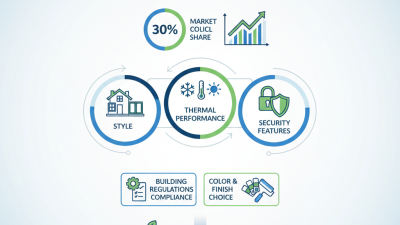
This chart illustrates the energy efficiency ratings of UPVC windows compared to traditional window materials. The ratings indicate their insulation properties and overall energy performance based on standard tests.
Maintenance and Durability of UPVC Windows
UPVC windows stand out for their exceptional maintenance and durability. Unlike traditional wood frames, UPVC does not require regular painting or sealing. They only need a simple wipe with a damp cloth to maintain their appearance. According to the Sustainable Energy Authority of Ireland, UPVC windows can last over 30 years with minimal upkeep. This longevity offers significant savings over time compared to alternatives.
In harsh climates, UPVC windows perform remarkably well. They resist corrosion and are unaffected by moisture, preventing the warping common with wooden frames. This resistance to the elements enhances their durability, making them suitable for any geographic location. A study published in the Journal of Green Building highlights that UPVC has natural insulating properties, contributing to energy efficiency and cost reduction.
Yet, not all UPVC products are created equal. Quality varies by manufacturer, which can impact the lifespan and performance of the windows. Homeowners should seek certifications and reviews to ensure they choose products that meet high standards. It’s essential to weigh the advantages against potential drawbacks in quality to make an informed choice.
Aesthetic Versatility of UPVC Windows for Home Design
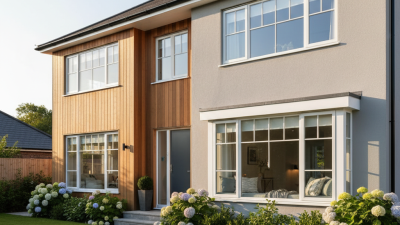
UPVC windows offer incredible aesthetic versatility for home design. These windows come in various styles and colors, allowing homeowners to match their architecture. From classic to contemporary, UPVC can adapt seamlessly. You can select from a range of finishes, including wood-like appearances, giving the charm of timber without the maintenance. This flexibility enhances curb appeal significantly.
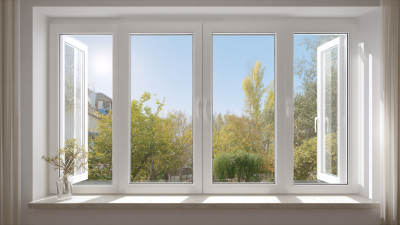
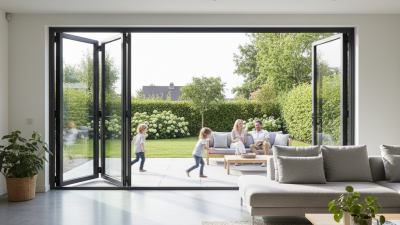
Choosing UPVC also allows for creative combinations. Picture large bay windows or sleek sliders that invite natural light into your living spaces. The ability to customize shapes and sizes means you can create unique features for your home. While some may prefer traditional designs, others might desire a bold, modern look. Embracing UPVC provides the best of both worlds, but careful planning is essential.
However, not all installations are perfect. Homeowners may overlook alignment issues, which can affect aesthetics and functionality. It’s crucial to consult with experienced professionals during your renovation. Balancing personal style with practical considerations can enhance the overall design, but reflections on past choices may lead to better decisions. Investing time in researching and selecting the right UPVC options will pay off in the long run.