Why Choose a CNC Bending Machine for Your Manufacturing Needs?
In today's manufacturing landscape, the choice of machinery can dramatically affect productivity and efficiency. A CNC Bending Machine stands out for its precision and versatility. This technology captivates manufacturers with its ability to produce complex shapes with minimal manual intervention.
Utilizing a CNC Bending Machine allows for precise control over material bending, reducing waste and enhancing accuracy. These machines streamline processes, which is critical in a fast-paced environment. While many companies invest in traditional methods, the growing need for customization and rapid production pushes CNC technologies to the forefront.
However, the decision isn't without challenges. Initial costs can be substantial, and mastering CNC programming requires training. Some may wonder if the investment pays off in the long run. Despite these considerations, the benefits often outweigh the drawbacks. Adopting a CNC Bending Machine can lead not just to improved productivity, but also to greater flexibility and innovation in manufacturing processes.
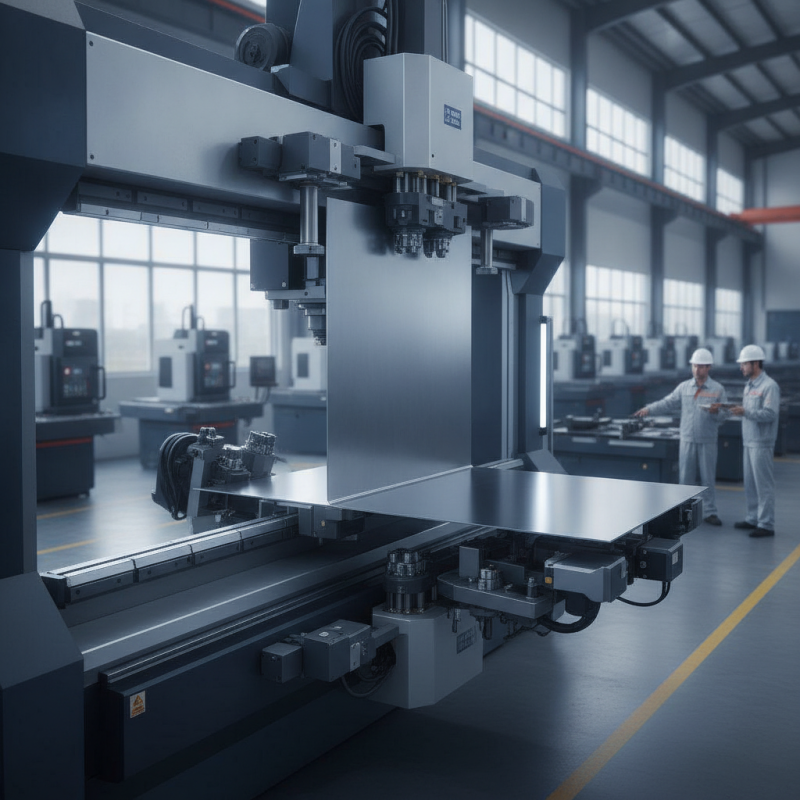
Benefits of Using a CNC Bending Machine in Manufacturing
CNC bending machines revolutionize the manufacturing industry with their precision and efficiency. These machines can achieve complex bends that would be impossible with manual equipment. They minimize human error, ensuring that each piece meets strict specifications. The use of CNC technology allows for a high degree of customization, meeting the diverse needs of various projects.
One notable benefit is their speed. CNC bending machines can process materials much faster than traditional methods. This increase in production speed often leads to lower labor costs. However, training staff to operate these machines can present challenges. Operators must understand both the technology and the materials being used to maximize efficiency and prevent mishaps.
Another advantage is the versatility of CNC machines. They can handle different materials, including metal and plastic. This flexibility can streamline operations and reduce the need for multiple specialized machines. However, companies must invest in maintenance and regular training to ensure consistent performance. Balancing these factors is essential for optimizing the benefits of CNC bending technology.
How CNC Bending Machines Improve Precision and Consistency
CNC bending machines have revolutionized the manufacturing industry. They enhance precision and consistency by automating the bending process. Unlike manual methods, these machines use computer controls. This results in accurate bends every time. The automation minimizes human error, which is a common issue in traditional bending.
Precision is key in manufacturing. A small mistake can lead to significant production costs. CNC bending machines operate with a repeatability of ±0.1 mm. This high level of accuracy ensures parts fit perfectly, reducing the need for rework. However, operators may face challenges while programming these machines. It requires proper training and experience to maximize their potential.
Consistency is equally important for quality control. CNC machines can produce the same part multiple times without variation. This uniformity is essential for large production runs. On the downside, reliance on technology can lead to issues if software glitches occur. Maintenance is crucial to avoid unexpected downtimes. Thus, while CNC bending machines offer numerous benefits, careful management and skilled operation are necessary to truly harness their advantages.
Comparative Analysis of CNC vs. Manual Bending Machines
When considering bending machines, CNC and manual options stand out. CNC bending machines utilize advanced software to control the bending process. They offer high precision and repeatability. This is crucial for projects requiring exact measurements. Operators can input complex angles and shapes into the system. As a result, production speeds improve significantly.
In contrast, manual bending machines require more hands-on skills. Operators must have a keen eye for detail. Adjustments often depend on their experience and judgment. This variability can lead to inconsistencies in the final product. On the positive side, manual machines may have lower upfront costs. They also offer a tactile experience that some skilled workers prefer.
However, the learning curve for manual machines can be steep. New operators might struggle to achieve the same precision as experienced hands. Errors can occur more frequently, leading to waste. In the long run, businesses relying on manual machines may face higher costs due to errors and rework. Exploring both options is essential for making informed decisions about manufacturing processes.
Comparison of CNC Bending Machines vs. Manual Bending Machines
Key Features to Consider When Choosing a CNC Bending Machine
When selecting a CNC bending machine, several key features are crucial. One essential aspect is the machine's bending capacity. A study from the Manufacturing Institute reveals that companies with machines capable of bending 200 tons or more can significantly enhance their production efficiency. This capacity allows for more complex and precise bending operations, which are vital in today’s competitive market.
Precision is another factor to consider. According to research by SME, CNC bending machines that offer a bending accuracy of +/- 0.1 mm can lead to fewer errors in production. This precision reduces waste and improves product quality, which is critical for maintaining customer satisfaction. Additionally, software capabilities are essential. Machines equipped with advanced programming software can streamline processes, allowing for easy modifications and quicker setup times.
However, potential buyers should reflect on their specific needs. A powerful machine may not be necessary for all manufacturers. Over-investing in features that are seldom used can lead to inefficient capital allocation. It’s essential to strike a balance between capability and actual production requirements. Considerations such as ease of maintenance and available technical support can also impact the machine's overall effectiveness in a production environment.
Why Choose a CNC Bending Machine for Your Manufacturing Needs? - Key Features to Consider When Choosing a CNC Bending Machine
| Feature | Description | Benefits |
| Precision | CNC bending machines offer high accuracy and repeatability in bending operations. | Reduces waste and enhances product quality. |
| Automation | Automated controls allow for complex bends to be programmed and executed efficiently. | Increases productivity and lowers labor costs. |
| Material Compatibility | Versatile for various materials like aluminum, stainless steel, and plastic. | Flexible manufacturing options for different industries. |
| User-Friendliness | Modern CNC systems have intuitive interfaces and software. | Simplifies training and operation for new users. |
| Speed | CNC bending machines operate faster than manual methods. | Shortens production time and enhances efficiency. |
Applications of CNC Bending Machines in Various Industries
CNC bending machines are increasingly vital in numerous industries due to their precision and efficiency. In automotive manufacturing, these machines help create complex components with exact angles. The ability to bend metal with high accuracy minimizes waste and enhances production speed. This is especially important in a sector where every second counts.
In the construction industry, CNC bending machines are used to shape rebar and metal frames. They allow for intricate designs that meet structural requirements. However, the initial setup can be time-consuming and may require skilled operators. Mistakes in programming or material handling can lead to increased costs and wasted resources.
The furniture industry also benefits from CNC bending technology. Custom designs for chairs and tables are now easier to produce. Yet, adapting to new software and machinery can be challenging for traditional craftsmanship. Each application highlights both the strengths and potential pitfalls of using CNC bending machines. The focus must remain on continuous improvement and staff training to maximize these machines' capabilities.