What is the Best Glass Doors for Your Home Needs?
Choosing the right glass doors for your home can be overwhelming. With various styles and materials available, it's crucial to find what meets your needs. Glass doors enhance natural light, create a sense of openness, and can significantly impact your interior design. They serve both functional and aesthetic purposes.
Different types of glass doors exist. Sliding doors save space and provide a modern look. French doors offer a classic touch and elegance. Consider your home's architecture when selecting the right style. Take into account safety features, insulation, and energy efficiency as well.
Not all glass doors are equal. Some may not provide adequate security or durability. Research is essential before making a commitment. It’s okay to feel confused or uncertain. Finding the perfect glass doors involves balancing functionality with personal taste. Always consult with experts to ensure you make an informed choice.
Types of Glass Doors Available for Home Use
When choosing glass doors for your home, you have several options.
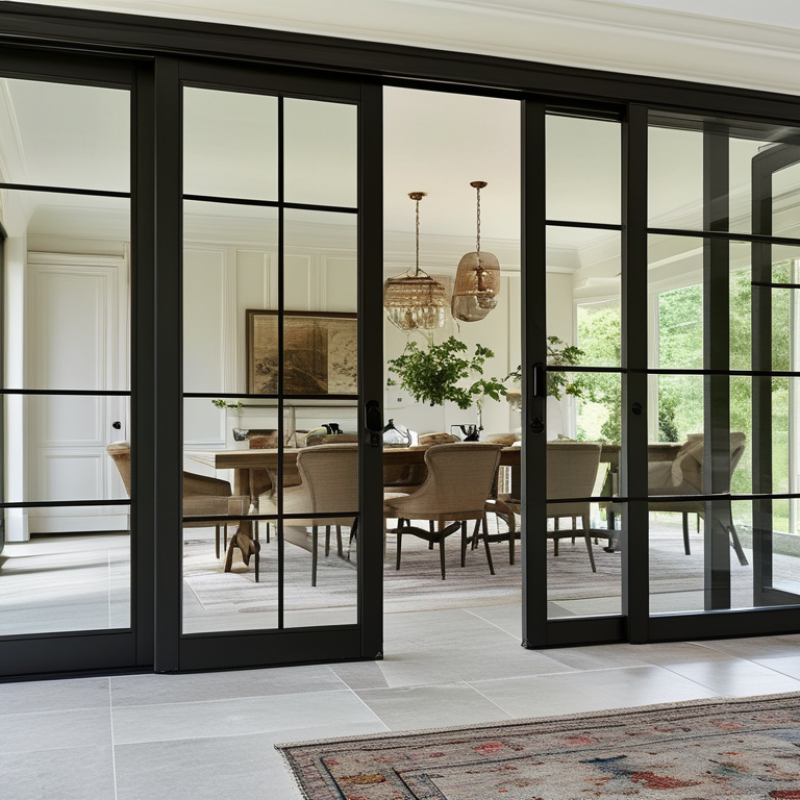
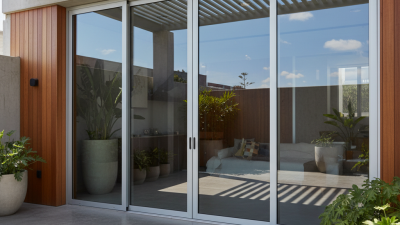
Sliding glass doors are popular for their space-saving design. They work well in small areas.
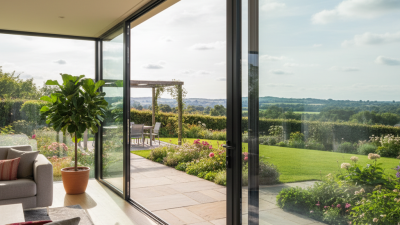
Bi-fold doors offer a wide opening and beautiful views. They can create a seamless flow between indoor and outdoor spaces.
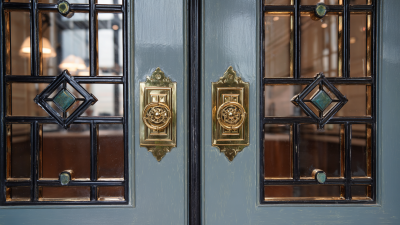
French doors are classic and elegant. They add style and charm to any room.
Consider the type of glass as well. Tempered and insulated glass provide durability and energy efficiency.
Low-E glass helps reduce heat transfer. Reflective glass offers privacy while still allowing light in.
Each type of glass has its benefits. Assess your needs to make the best choice.
Tips: Measure your space before buying. This ensures a perfect fit.
Check local building codes for regulations on glass doors. Quality matters; invest in doors that will last.
Think about maintenance, too. Some glass types are easier to clean than others. Reflect on your lifestyle and choose what suits you best.
Key Features to Consider When Choosing Glass Doors
When selecting glass doors for your home, several key features demand attention. One crucial aspect is energy efficiency. According to the U.S. Department of Energy, energy-efficient glass options can reduce heating and cooling costs by up to 30%. This is particularly important in regions with extreme weather. Look for doors with Low-E coatings. These coatings reflect heat, improving insulation without sacrificing natural light.
Security is another significant consideration. While glass may seem fragile, advancements in technology have led to tougher, tempered glass options that resist shattering. A report from the National Association of Home Builders states that 70% of homeowners prioritize security features when choosing exterior doors. Reinforced frames and multi-point locking systems are options worth exploring for peace of mind.
Aesthetics also play a vital role. Depending on your home's style, you may opt for frosted, tinted, or clear glass. Incorporating natural light can enhance your living space but can also pose privacy dilemmas. Balancing openness with seclusion requires thoughtful planning. Finally, maintenance must not be overlooked. While many glass doors are designed to be low maintenance, periodic cleaning is still essential to keep them looking their best.
Benefits of Installing Glass Doors in Your Home
Installing glass doors in your home offers numerous benefits. A study by the American Institute of Architects indicates that homes with glass doors experience a 20% increase in natural light. This enhancement not only brightens your space but also contributes to a more uplifting environment. Natural light has been linked to improved mood and productivity.
Glass doors serve as a seamless transition between indoor and outdoor spaces. This can create a feeling of openness. According to the National Association of Home Builders, such designs can increase the perceived square footage of a room by up to 10%. Homeowners often appreciate this spatial illusion, especially in smaller homes.
Additionally, glass doors can improve energy efficiency when equipped with double or triple glazing. Studies reveal that homes with high-performance glass can reduce heating costs by as much as 40%. However, choosing the right type of glass is crucial. Not all glass products provide the same insulation or durability. Consider climate issues and personal preferences carefully. These factors ensure that your installation meets both aesthetic and functional needs.
Comparing Energy Efficiency in Glass Door Options
When considering energy efficiency in glass doors, multiple factors come into play. The type of glass used can significantly affect thermal performance. For instance, Low-E (low emissivity) glass reflects heat back into the room. According to the U.S. Department of Energy, this can help reduce energy costs by up to 30%.
Another important aspect is the door's frame material. Vinyl and fiberglass frames often provide better insulation than aluminum. According to the National Association of Home Builders, energy-efficient doors can save homeowners hundreds of dollars each year. However, it’s crucial to evaluate if these savings justify the initial investment.
Air leakage can also impact energy efficiency. Doors must be properly sealed and installed to minimize drafts. Studies show that improperly installed doors can lose up to 10% of energy. It is essential to ask professionals about the installation process to avoid potential pitfalls. Choosing the right energy-efficient glass door requires careful consideration. The balance between upfront costs and long-term savings should be thoroughly analyzed.
Comparing Energy Efficiency in Glass Door Options
This chart compares the energy efficiency ratings of various types of glass doors available for homes. The ratings are based on the National Fenestration Rating Council (NFRC) standards, which assess how well a product prevents heat from escaping and reduces energy loss.
Maintenance Tips for Keeping Glass Doors in Good Condition
Maintaining glass doors is essential for longevity and aesthetics. Regular cleaning is crucial. Use a soft cloth and a gentle glass cleaner to avoid scratches. According to industry reports, improper cleaning can reduce the lifespan of glass by up to 30%. It's best to clean them every month, especially in areas with high traffic or extreme weather.
Preventive maintenance is equally important. Check seals and frames for wear. A study indicated that 40% of glass door issues stem from failing seals. If seals show signs of wear, replace them promptly. This prevents energy loss and increases efficiency. Consider adding weather stripping to improve insulation.
Inspect hardware components like hinges and locks regularly. Lubricate them to ensure smooth operation. Neglecting this can lead to more severe issues. Data from home improvement experts reveals that 20% of door malfunctions are due to overlooked hardware. Thoughtful maintenance prevents costly repairs and keeps doors looking pristine.