2026 Top Sliding Doors Trends Every Buyer Should Know?
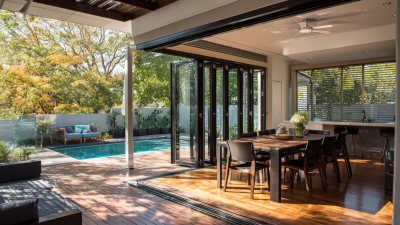
As the architecture and design landscape evolves, the trends surrounding sliding doors are gaining significant attention. A recent industry report by the National Association of Home Builders suggests that approximately 30% of new homes in urban areas feature sliding doors. This shift reflects a growing preference for open, airy living spaces. "Sliding doors are not just functional; they create a visual connection between indoor and outdoor spaces," says James Anderson, a leading expert in architectural design.
Innovative materials and energy-efficient technologies are redefining these essential home features. From sleek aluminum frames to triple-glazed glass, homeowners now have more options than ever. However, it's crucial to understand that not all sliding doors are created equal. Poor installation or low-quality materials can lead to problems. Homeowners must consider the balance between aesthetics and functionality.
In 2026, buyers should be aware of various trends. These include increased customization options and enhanced security features. Yet, the industry faces challenges like supply chain issues impacting material costs. As experts remind us, each choice shapes not only the look of a home but also its long-term performance and sustainability.
Current Aesthetic Trends in Sliding Door Designs for 2026
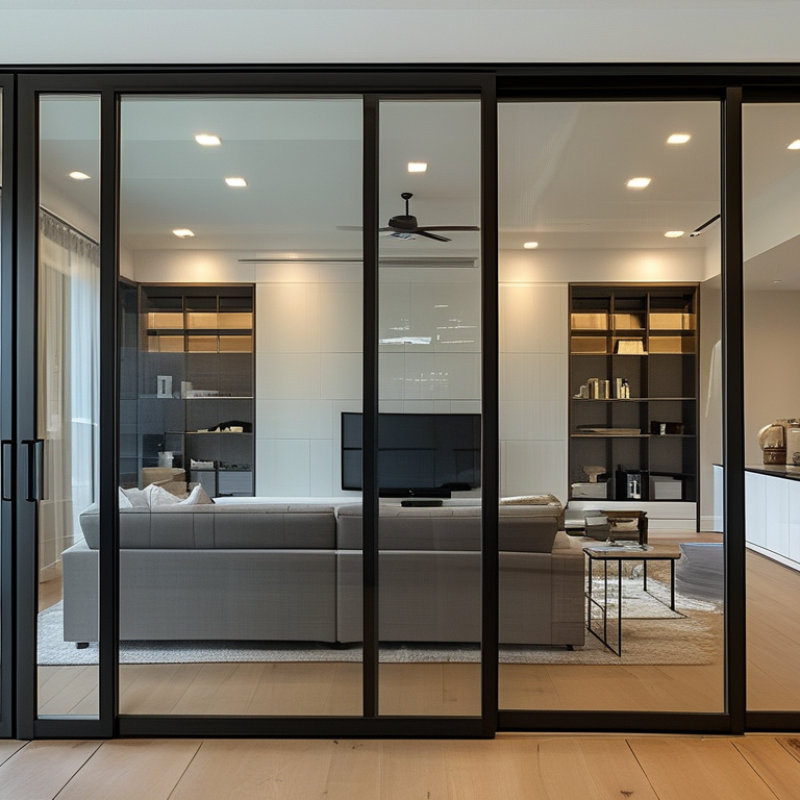
As we move into 2026, the aesthetic trends in sliding door designs are evolving. Homeowners increasingly seek personalized elements to enhance their spaces. You may notice more organic shapes and natural materials. Sliding doors now incorporate wood, glass, and metal, blending seamlessly with various styles.
Textured glass adds an interesting visual appeal. It offers privacy while allowing light to filter through. Bold colors are on the rise, with deep blues and rich greens leading the way. These hues offer unique focal points. Minimalist frameworks are also favored, emphasizing clean lines and spaciousness.
Not all designs work perfectly in every setting. Some homeowners find color choices overwhelming. Others struggle with balancing function and aesthetics. There is room for trial and error. Adapting these trends to personal styles can be challenging but rewarding. Observing how these elements interact in your space is crucial. The key is to curate a style that reflects individual taste and enhances the overall design.
Innovative Materials Shaping the Future of Sliding Doors
The world of sliding doors is evolving, with innovative materials leading the way. Homeowners are increasingly drawn to materials that enhance both aesthetics and functionality. Glass, for example, is becoming a popular choice. It offers a sleek look while allowing natural light to flood spaces. However, this also poses challenges in terms of energy efficiency. Not all glass provides the same insulation, so careful selection is crucial.
Another trend is the use of composite materials. These blends are designed to withstand harsh weather, making them ideal for outdoor areas. They come in various finishes, allowing customization to suit any home style. However, there is a fine line between durability and maintenance. Some composites can degrade over time, requiring regular upkeep.
Metal is also emerging as a trendy option for sliding doors. Aluminum frames, in particular, are lightweight and resistant to corrosion. They can be designed in various colors and textures, offering a modern twist. Yet, homeowners must consider heat conduction issues. Metal can become hot in direct sunlight, affecting indoor temperatures. Balancing aesthetics with practical concerns remains a key consideration for modern buyers.
Technological Advancements Enhancing Sliding Door Functionality
As sliding doors gain popularity, technological advancements enhance their functionality and design. Industry reports indicate that the sliding door market is projected to reach $10 billion by 2026, driven by innovations in materials and automation. With smart technology integration, sliding doors now offer features like remote access and motion sensors. These improvements not only provide convenience but also enhance security.
Tips for Buyers: Look for sliding doors with energy-efficient glass. This feature can significantly reduce energy costs. Additionally, opt for doors with robust locking systems. A reliable locking mechanism adds peace of mind, especially for ground-level installations.
Another notable advancement is the development of automatic sliding doors. These are increasingly used in commercial spaces and upscale residences. Automated systems improve accessibility for individuals with mobility challenges. Yet, some homeowners may find these systems complex. It’s crucial to weigh the benefits against the potential complications of maintenance and repairs.
Choosing the right sliding door involves careful consideration. Stylish aesthetics should not overshadow functionality. A door must complement daily life while being easy to operate. Ultimately, understanding these advancements will better guide buyers in making informed choices.
Sustainability Practices in Modern Sliding Door Manufacturing
Sustainability is becoming crucial in modern sliding door manufacturing. Many manufacturers are exploring eco-friendly materials. Recycled aluminum and sustainable wood are now popular choices. These materials not only reduce waste but also offer durability. Buyers should look for products that use less energy in production.
Moreover, energy efficiency plays a vital role in the design process. Sliding doors with high thermal performance help conserve energy in homes. They can lower heating and cooling costs over time. This aligns with a growing consumer demand for green building practices. Yet, not all manufacturers meet these standards. It’s essential to verify the claims made about eco-friendly practices.
Environmental impact is a significant concern. Packaging and shipping methods also need improvement. Some companies still use excessive plastic in packaging. This could counteract their sustainability efforts. Buyers should question how products are packaged and shipped. The transition to greener manufacturing is ongoing, but there is still much work ahead. Thoughtful choices can lead to a more sustainable future in home design.
2026 Top Sliding Doors Trends: Sustainability Practices in Modern Sliding Door Manufacturing
Customization Options for Personalized Sliding Door Solutions
Customization is key when it comes to sliding doors. Many homeowners seek unique designs that complement their living spaces. Custom options allow for a blend of style and function. You can choose different materials, colors, and finishes to craft a door that feels personal. For instance, frosted glass can offer privacy while enhancing light flow.
Functionality is just as important as aesthetics. Sliding doors can be tailored for easy accessibility or enhanced security. Height and width adjustments are common requests. Consider adding built-in blinds for versatility. Even hardware selections, like handles and locks, can reflect your personal taste.
However, it’s easy to feel overwhelmed by choices. Too many options can lead to decision fatigue. Not every customization will suit your needs or space perfectly. Balancing personal preference with practical requirements is essential. Take your time to reflect on what truly enhances your home. Consider consulting with experts to ensure your choices align with expert advice.
2026 Top Sliding Doors Trends Every Buyer Should Know
| Trend |
Description |
Customization Options |
Materials |
Price Range |
| Smart Sliding Doors |
Integration of smart technology for enhanced security and convenience. |
Remote control access, mobile app integration, voice commands. |
Aluminum, tempered glass. |
$1,200 - $3,500 |
| Bi-fold Sliding Doors |
Doors that fold and stack to create open spaces. |
Custom folding configurations, colors, and finishes. |
Wood, aluminum, PVC. |
$2,000 - $5,000 |
| Energy-Efficient Sliding Doors |
Designed to reduce energy costs and improve insulation. |
Low-E glass, triple glazing options. |
Fiberglass, vinyl. |
$1,800 - $4,500 |
| Sliding Door with Built-in Blinds |
Blinds that are enclosed between two glass panels. |
Various blind colors and styles. |
Tempered glass, aluminum frame. |
$1,500 - $3,000 |
| Decorative Sliding Doors |
Uniquely designed doors to enhance aesthetics. |
Custom designs, engravings, finishes. |
Wood, glass, metal. |
$1,000 - $4,000 |